9 Best Joint Supplements For Horses
From leading brands and best sellers available on the web.By clicking on a link to a third party's website, log data is shared with that third party.
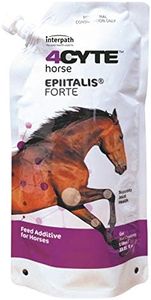
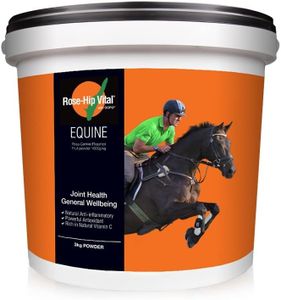
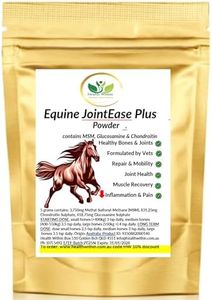
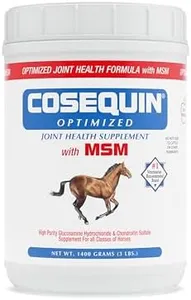
Buying Guide for the Best Joint Supplements For Horses
Choosing the right joint supplement for your horse can make a significant difference in their comfort, mobility, and long-term joint health. It’s important to understand that not all supplements are created equal, and the best choice depends on your horse’s age, workload, and existing joint or mobility issues. Reading ingredient labels, understanding what each component does, and matching these to your horse’s needs will help you select an effective product. Consulting your veterinarian before making a change is always recommended to ensure the chosen supplement supports your horse’s unique requirements.Active IngredientsActive ingredients are the components in a supplement believed to support joint health, such as glucosamine, chondroitin sulfate, MSM (methylsulfonylmethane), hyaluronic acid, and sometimes herbal extracts. Each ingredient has its own role, for example glucosamine helps in cartilage repair while MSM is aimed at reducing inflammation. The importance of this specification lies in matching the ingredients to your horse’s specific needs: for general maintenance, a product with glucosamine and chondroitin may be enough, while horses with heavier workloads or existing joint issues may benefit from supplements also containing MSM or hyaluronic acid. It’s best to know your horse’s joint challenges and pick supplements whose active ingredients target those problems.
Dosage and ConcentrationDosage and concentration tell you how much of each active ingredient is present in a serving of the supplement. Higher concentrations may be necessary for older horses or those with moderate to severe joint problems, while young or lightly worked horses may only need a lower dose for maintenance. Checking the label for milligrams (mg) per serving and how often it must be given helps you match the supplement’s potency to your horse’s needs. Always balance desired results with what your horse can tolerate or what your veterinarian recommends.
Form of SupplementJoint supplements come in various forms including pellets, powders, liquids, and occasionally treats. The form is important because it affects how easy it is to administer and how well your horse will accept it. Powders and pellets can usually be mixed into feed, liquids can be added to grain or syringed, and treats might be more enticing for picky eaters. Choosing the form that fits your feeding routine and your horse’s preferences makes supplementing more consistent and less stressful.
PalatabilityPalatability refers to how likely your horse is to eat the supplement willingly. Even the most effective formula won’t work if your horse refuses to eat it. Palatability varies between brands and types—some use flavors or carriers to improve taste. If your horse has been fussy about supplements in the past, consider options noted for higher palatability or trial sizes to test before fully committing.
Third-Party Testing and Quality AssuranceQuality assurance means that a supplement has been tested for purity and content to ensure it contains what the label claims. Some products are reviewed or certified by third parties, which can give you confidence in their safety and reliability. This is especially crucial with equine supplements, as contaminated or mislabeled products can cause harm or fail to provide the promised benefits. Look for brands that transparently share their quality testing procedures or have recognized certifications when the health and safety of your horse is a top concern.