We Use CookiesWe use cookies to enhance the security, performance,
functionality and for analytical and promotional activities. By continuing to browse this site you
are agreeing to our privacy policy
10 Best Keto Sweeteners
From leading brands and best sellers available on the web.By clicking on a link to a third party's website, log data is shared with that third party.
Related Products
Up to 10% off
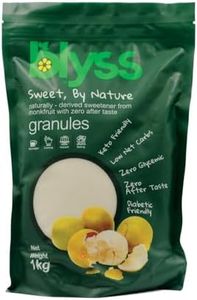
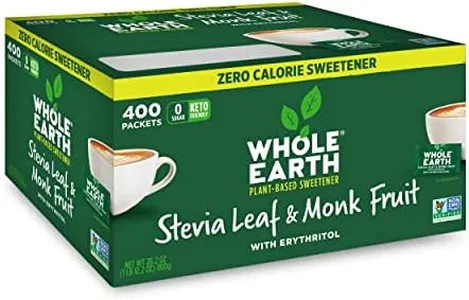
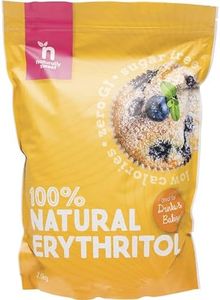
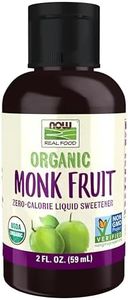
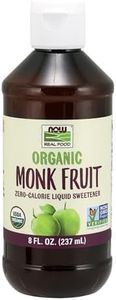
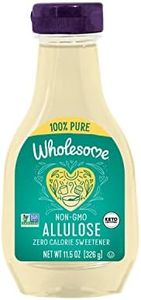
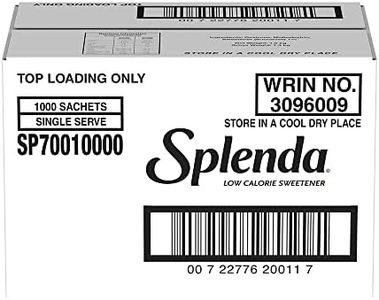
Buying Guide for the Best Keto Sweeteners
Choosing a keto sweetener can seem a bit overwhelming with so many options available, each boasting unique benefits. The core idea is to find a product that keeps your carbohydrate intake low while still satisfying your sweet tooth. Since everyone’s taste preferences and sensitivities differ, it’s helpful to understand the main characteristics of each sweetener and how they might fit into your baking, cooking, or beverage routines.Carbohydrate Content (Net Carbs)Carbohydrate content, especially net carbs, is crucial for keto since you aim to keep carb intake very low. Net carbs are the total carbs minus fiber and certain sugar alcohols, representing the carbs that impact blood sugar. Sweeteners vary widely: some have almost zero net carbs (like stevia, monk fruit, and erythritol), while others have higher values. For strict keto, look for those with zero or close-to-zero net carbs. If you are less strict, you might tolerate some with slightly higher net carbs, but monitoring how they affect your daily carb count can help you decide.
Glycemic IndexGlycemic index (GI) tells you how much a sweetener will raise your blood sugar. Sweeteners with a low or zero GI are best for keto as they don’t cause spikes in blood sugar, which can knock you out of ketosis. Sweeteners like stevia, monk fruit, and erythritol have a GI of zero or close to zero and are ideal. Some sugar alcohols like maltitol have a higher GI and can impact blood sugar. If you are highly sensitive to sugar spikes or aiming for therapeutic ketosis, stick with sweeteners that maintain a low glycemic response.
Taste ProfileThe taste of a sweetener matters since some have aftertastes or specific flavors. Sweeteners like stevia and monk fruit are very sweet but can have a slight aftertaste, which some people notice more than others. Erythritol is closer to sugar in flavor but can have a cooling effect. Blends often aim to overcome these quirks. If you’re planning to use a sweetener in coffee, baking, or cold drinks, try small amounts to see which taste you prefer. Your intended use and personal taste buds are your best guide.
Digestive ToleranceSome keto-friendly sweeteners, especially sugar alcohols like erythritol or xylitol, can cause digestive discomfort such as bloating or upset stomach in larger amounts. Reactions vary: some people tolerate erythritol well, while others do not. Stevia and monk fruit generally cause fewer digestive issues. If you notice discomfort with one option, try switching to another, or use smaller amounts. Your body's response should guide which sweetener is best.
Usage and VersatilitySweeteners differ in how well they perform in baking, cooking, or dissolving in drinks. Some, like erythritol and allulose, behave like sugar in recipes and caramelize, while others like stevia are extremely sweet and best for beverages or recipes not requiring bulk. Consider what you’ll use the sweetener for most. If you bake often, choose one that’s heat-stable and measures like sugar. For sweetening drinks, a highly concentrated liquid like stevia or monk fruit might be ideal.
Natural vs. ArtificialKeto sweeteners can be natural (from plants like stevia or monk fruit) or artificial (like sucralose). Some people prefer natural options for taste or perceived health benefits. Artificial options are often sweeter and sometimes have a more neutral taste, but some users avoid them due to taste preferences or potential health concerns. Your comfort level and preferences regarding natural versus artificial ingredients will help guide your choice.