We Use CookiesWe use cookies to enhance the security, performance,
functionality and for analytical and promotional activities. By continuing to browse this site you
are agreeing to our privacy policy
10 Best Keyboards For Beginners
From leading brands and best sellers available on the web.By clicking on a link to a third party's website, log data is shared with that third party.
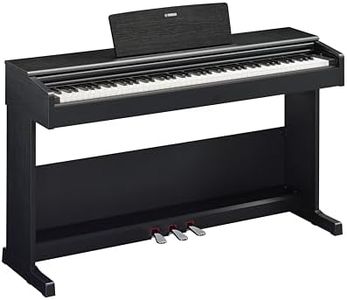
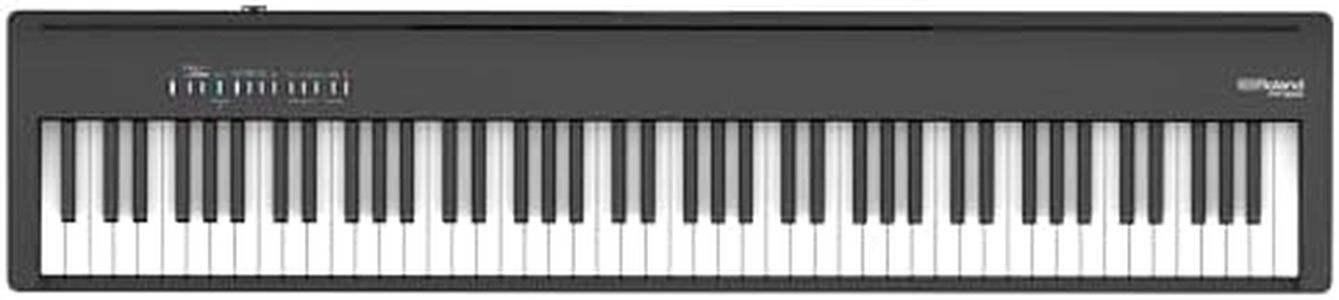
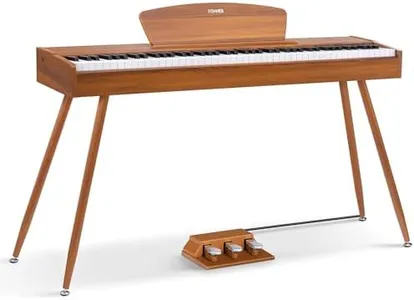
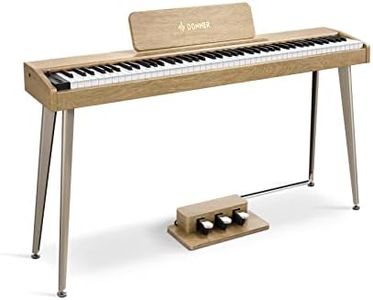
Related Products
Up to 12% off
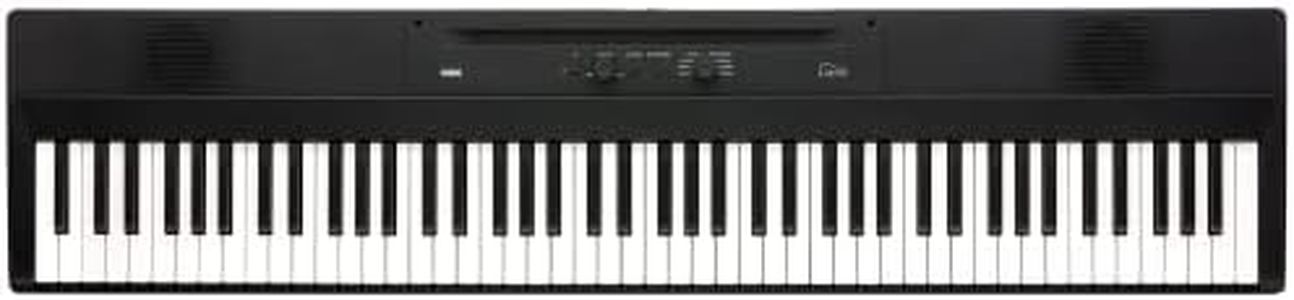
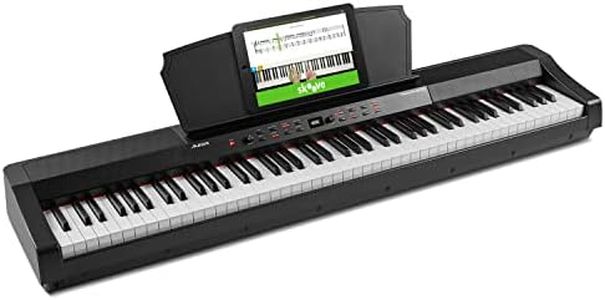
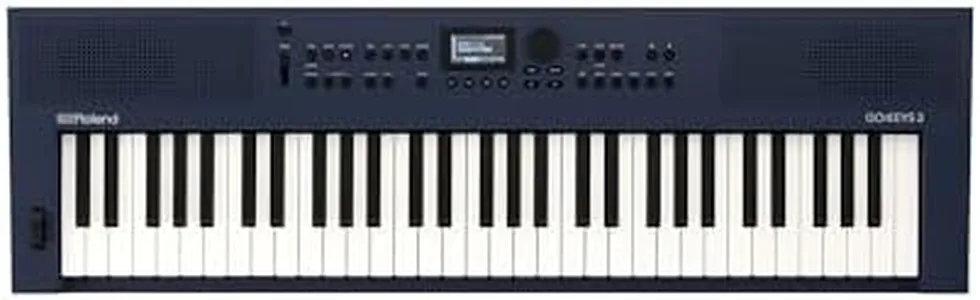
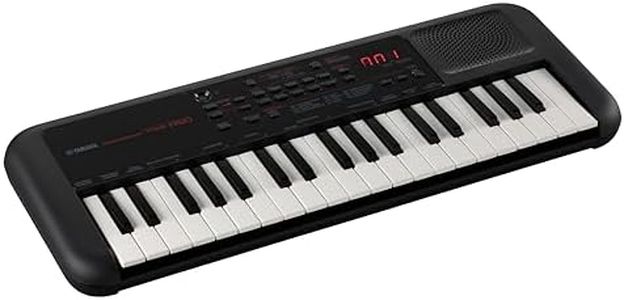
Buying Guide for the Best Keyboards For Beginners
When choosing a keyboard as a beginner, the main goal is to find an instrument that is easy to use, encourages practice, and supports learning. Focus on features that make the keyboard accessible and enjoyable, rather than overwhelming you with professional functions you may not need right away. Pick a keyboard that balances playable keys, helpful technology, and compatibility with your learning goals, whether you want to play for fun, progress into classical music, or explore different styles.Number of KeysThe number of keys on a keyboard determines how many notes you have available to play. Full-size keyboards have 88 keys, matching a traditional piano, while smaller keyboards can have 61 or 76 keys. For beginners, 61 keys are often enough to learn most songs and develop finger skills, but if you plan to transition to a piano in the future, starting with 76 or 88 keys can be helpful. Think about the music you want to play and whether you’ll need more notes for more complex pieces.
Key Action (Touch Sensitivity and Weighted Keys)Key action refers to how the keys respond when you press them. Some keyboards offer touch sensitivity, meaning the harder you press, the louder the note sounds, which allows for more expressive playing. Weighted keys imitate the feel of a real piano by adding resistance. For beginners, touch sensitivity helps train musical expression, and semi-weighted keys can make the transition to an acoustic piano smoother, but if playing feel is less important, unweighted keys (lighter) can work and are often easier for young children.
Built-in Learning FeaturesMany beginner keyboards come with built-in lessons, lighted keys, or apps that guide you through songs and exercises. These features can make learning more engaging and easier to follow, especially if you're teaching yourself. If you prefer step-by-step guidance or visual aids, look for these tools to support your learning, but if you have a teacher or structured lessons, this might not be as important.
PolyphonyPolyphony is the number of notes a keyboard can play at the same time. A higher polyphony (like 64 or more) allows you to play complex chords or use a sustain pedal without notes cutting off unexpectedly. Beginners can generally do well with 32-note polyphony, but if you imagine playing layered or sustained music, choosing higher polyphony will prevent frustration as your skills grow.
Portability and SizePortability is how easy it is to move or store the keyboard. Lighter, more compact keyboards are great if you need to save space or travel with your instrument, while larger, heavier models might be better for a dedicated spot at home. Think about whether you need to pack your keyboard away after playing or carry it to lessons, and choose a size and weight that fits your lifestyle.
Connectivity (Headphones, USB/MIDI, Sustain Pedal)Connectivity options let your keyboard interact with other devices and accessories. Headphone jacks are useful for quiet practice, while USB or MIDI connections allow you to connect to computers or learning apps. A sustain pedal input enables more expressive playing. Consider how you’ll use your keyboard—will you practice in shared spaces, record music, or use educational software? Pick a keyboard with the right ports for your needs.
Sound Quality and VoicesSound quality refers to how realistic and pleasant the keyboard sounds when you play, while voices are the types of instruments the keyboard can imitate (like piano, organ, or strings). For beginners, clear, good-quality piano sounds make practice more rewarding, but having extra voices can keep learning fun and motivate exploration. Try to find a keyboard with a few quality voices that sound appealing to your ear.