10 Best Kickboxing Heavy Bags
From leading brands and best sellers available on the web.By clicking on a link to a third party's website, log data is shared with that third party.



Related Products


Buying Guide for the Best Kickboxing Heavy Bags
Choosing the right heavy bag for kickboxing is all about matching the bag to your training style, skill level, and available space. A heavy bag is an investment in your fitness and skills, so it's important to think about how you plan to use it—whether for powerful punches, kicking, combinations, or a bit of everything. Understanding the main features of heavy bags will help you find the one that's sturdy, the right size, and comfortable to use for your training goals.Bag WeightBag weight is a key factor because it affects how much the bag moves when you hit it. Heavier bags are more stable and don't swing as much, which is great for practicing powerful kicks and punches; lighter bags move more, which helps improve your footwork and timing. For beginners or those focusing on speed and technique, a lighter bag (around 70-100 lbs) can be a good start. If you're training for power or are an experienced striker, go for a heavier bag (over 100 lbs). Make sure you can handle the weight so the bag is neither too bouncy nor too stiff for your style.
Bag LengthBag length determines how much of the bag you can use for kicks and strikes. Shorter bags (about 3-4 feet long) are mainly for punching, while longer bags (5-6 feet or more) allow for low kicks, knees, and a full range of kickboxing strikes. If you want to practice both punches and kicks—especially low kicks—choose a longer bag. Short bags are fine if you mainly want to work on upper body strikes.
MaterialThe outer material affects how tough the bag is and how it feels to hit. Common materials include synthetic leather, genuine leather, and canvas. Synthetic leather is durable and easy to clean, making it popular and affordable. Genuine leather offers a premium feel and high durability but needs more care. Canvas is tough but rougher on the skin. Think about how often you’ll use the bag and how much comfort or toughness you want; synthetic leather fits most users well, while leather is for maximum durability.
Filling TypeFilling impacts the bag’s firmness and safety during training. Bags may be filled with cloth, sand, or a mix. Cloth filling is common, offers a balanced feel, and is gentle on your hands and legs. Sand-filled bags are much firmer and heavier but can settle unevenly. Some bags offer water or gel cores for softer impact absorption. If you want something forgiving for frequent training, go for cloth or textile-filled bags. For a harder hit feel, sand might suit, but consider your joints and safety.
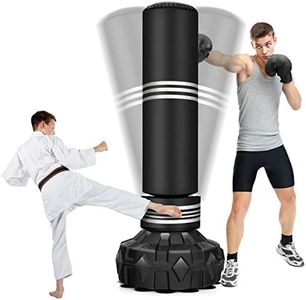
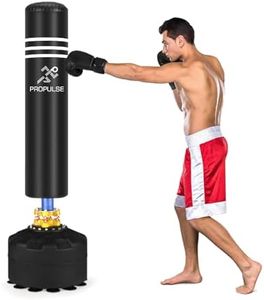
Mounting TypeYou can get a hanging bag or a free-standing bag. Hanging bags need a strong ceiling or wall anchor and typically provide a realistic swinging motion, which is great for footwork. Free-standing bags sit on a weighted base and are easy to move but don't swing much. Assess your space—choose hanging if you have a dedicated spot and want a traditional feel, or free-standing if portability and quick setup matter more.
DiameterThe diameter of the bag affects how closely it feels to hitting a real opponent and how easy it is to land certain types of strikes. Wider bags are better for practicing clinches and body kicks, while slimmer bags move more and suit quick punch combos. If your focus is all-around training, choose a medium width. Pick wider for heavy, full-power strikes and slimmer for technique and speed.