10 Best Kid Zip Line Kits
From leading brands and best sellers available on the web.By clicking on a link to a third party's website, log data is shared with that third party.
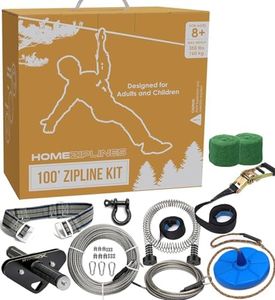
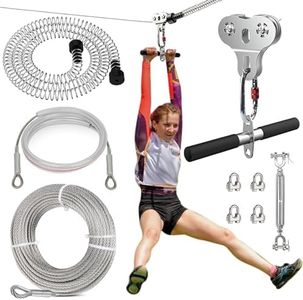

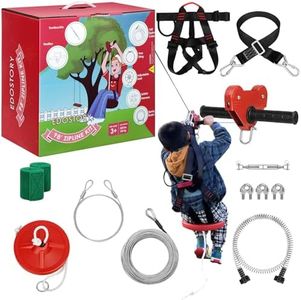
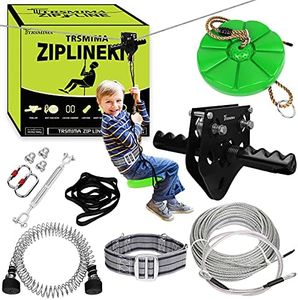
Related Products
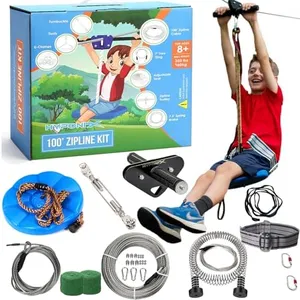
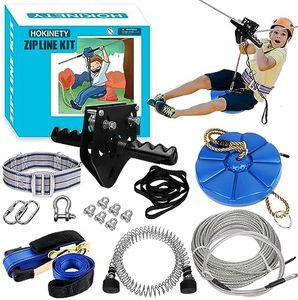
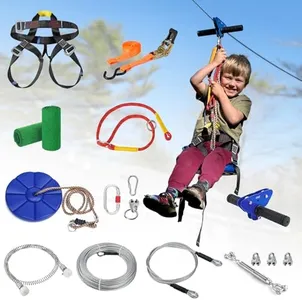
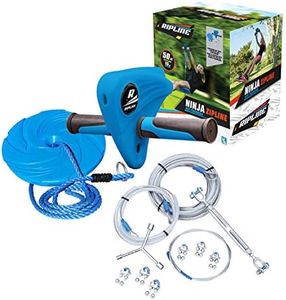
Recommended lists

Top rated
Zip Line Kits
Buying Guide for the Best Kid Zip Line Kits
Choosing a zip line kit for kids is an exciting process, but it’s important to focus on safety, ease of installation, and match the product to the age and abilities of your child. Understanding which features matter most will help you make a decision that your child will love and you’ll feel confident about. Whether you’re setting it up in your backyard or a local playground, keep in mind the installation options at your location as well as how your family plans to use the zip line.Maximum Weight CapacityMaximum weight capacity tells you the heaviest person the zip line can safely hold. This is a critical safety feature, as exceeding this limit could cause equipment to fail. Kits typically range from those designed for smaller children (around 100-150 lbs) to stronger kits suitable for bigger kids or even adults (up to 250 lbs or more). If the kit is mainly for young children, one on the lower end may suffice, but if you want a wider range of users, choose a higher capacity kit to ensure everyone’s safety.
Cable LengthCable length is the distance the zip line will travel from start to finish. This determines how exciting and challenging the ride is. Shorter lines (30-50 feet) are best for smaller yards and younger children, providing a gentle and manageable ride. Longer lines (up to 100 feet or more) offer a more thrilling experience but require more space and proper setup. Consider the available space in your backyard and the comfort level of your child to pick the right length.
Harness or Seat TypeThe seat or harness is the part where kids sit or hold onto during the ride. Some kits use a simple disc seat, while others come with a harness or a more supportive chair. Disk seats are easy for quick rides and younger kids, but harnesses offer more security—especially for nervous riders or younger children who might need additional support. Choose based on your child's age, confidence level, and how secure you want them to feel.
Stop MechanismA stop mechanism is what brings the rider safely to a halt at the end of the line. Basic kits use a rubber stopper or a spring brake, while more advanced versions have built-in braking systems to cushion the stop more effectively. Shorter lines and lower speeds might only need a simple stop block, while longer, faster rides will benefit from a spring or advanced braking system to prevent abrupt landings. Choose a stop that matches the excitement and speed of your planned setup for safe and gentle arrivals.
Installation Hardware and InstructionsInstallation hardware includes everything needed to attach the zip line between two anchor points, such as trees or posts. Good kits provide clear instructions and all the bolts, clamps, and tensioning tools you’ll need. Some even offer tree protection to avoid damaging the bark. If you’re new to DIY projects, look for a kit with straightforward installation and clear, illustrated guides. Ensuring all necessary hardware is included prevents frustration and ensures a sturdy, safe setup.
Age RecommendationsAge recommendations help you make sure the kit is appropriate for your child’s developmental stage. Manufacturers test and rate their kits for certain age groups based on the seat or harness style, cable length, and weight limit. Always check these guidelines to ensure that your child can use the kit safely and comfortably. Pick a kit that matches your child’s age and adjust as they grow or as younger siblings start to join in.