10 Best Kids Bike Helmets
From leading brands and best sellers available on the web.By clicking on a link to a third party's website, log data is shared with that third party.

Related Products

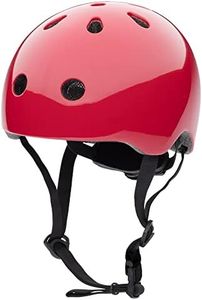
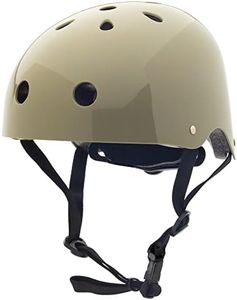
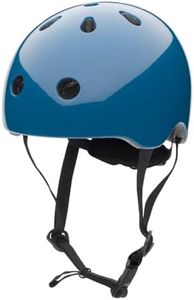
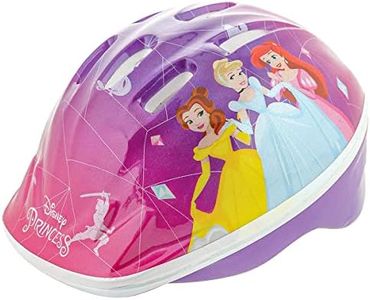
Buying Guide for the Best Kids Bike Helmets
Choosing the right kids' bike helmet is all about ensuring safety and comfort, since children need reliable protection while they are learning to ride and having fun. A good helmet not only shields them from injury but also encourages them to wear it regularly. To pick the right helmet, you'll want to pay close attention to key features like fit, safety certifications, weight, ventilation, adjustability, and the type of closure system. Your child's age, riding habits, and comfort are important guiding points when making your choice.Fit and SizeFit and size refer to how well the helmet sits on a child's head and whether it matches their head measurements. This is crucial for both safety and comfort—a helmet that's too loose won't protect properly, and one that's too tight will be uncomfortable and might not get worn. Kids' helmets usually list head circumference ranges in centimeters or inches. Small sizes are for toddlers, medium for younger children, and large for older kids or young teens. Always measure your child’s head with a tape measure just above their eyebrows, and choose a helmet that matches their head size. The right fit should feel snug but not pinch and should sit level on the head, not tilted back.
Safety CertificationsSafety certifications indicate whether a helmet meets specific standards for protecting against head injuries. Look for marks like CPSC (Consumer Product Safety Commission) in the US or CE in Europe. These certifications ensure the helmet has passed safety tests and is suitable for biking. Helmets without proper certifications should be avoided, as they may not offer adequate protection. Always check the label or inside sticker for these markings to ensure peace of mind about your child’s safety.
WeightHelmet weight plays a role in overall comfort, especially for young children who may find heavier helmets tiring to wear. Lightweight helmets are often easier for kids to keep on during longer rides, while heavier ones can lead to neck fatigue. Generally, helmets for younger kids should be as light as possible, while those for older kids might have a little more weight due to added features. Consider how long your child will be wearing the helmet and their tolerance when deciding what feels best for them.
VentilationVentilation refers to the number of vents and the airflow a helmet allows. Good ventilation helps keep kids' heads cool, especially during warm weather or active play. The number and size of vents can vary; more vents typically mean better airflow, but may also make a helmet lighter and a little less protective in rare situations. For most kids, helmets with multiple vents are ideal, especially if they will be riding in the heat or for longer periods. If your child is just riding up and down the driveway or for short periods, fewer vents are still acceptable.
AdjustabilityAdjustability involves how well the helmet can be fine-tuned to fit your child's head as they grow. Features like adjustable straps and dial-fit systems help customize the fit for extra safety and comfort. Adjustable helmets are especially useful for growing children or families wanting the helmet to last more than one season. Look for helmets that offer easy, tool-free adjustments, making it simple to get the ideal fit as your child grows.
Chin Strap and ClosureThe chin strap and closure system keep the helmet securely fastened during use. A good system should be easy for parents (and eventually kids) to buckle and unbuckle, and should stay put without slipping. Some helmets use traditional buckles, while others have magnetic or ratcheting closures. For young children, closures that prevent accidental pinching and are simple to operate are preferable. Make sure the strap sits under the chin, not on the throat, and that it can be adjusted for a snug, comfortable fit.