10 Best Kids Knives
From leading brands and best sellers available on the web.By clicking on a link to a third party's website, log data is shared with that third party.
Related Products
Up to 25% off


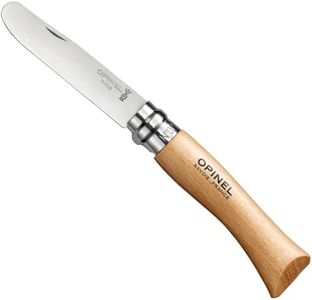
Buying Guide for the Best Kids Knives
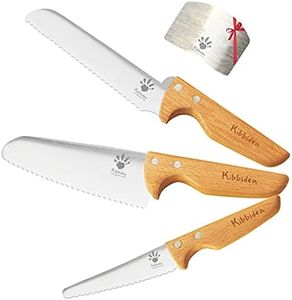
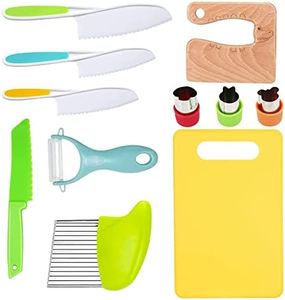
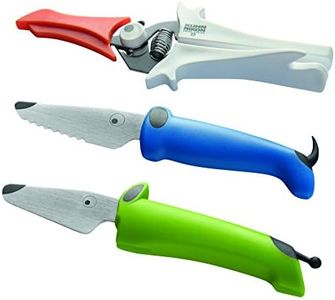
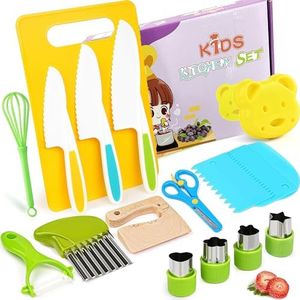
Choosing the right knife for kids is all about safety, comfort, and fostering confidence in the kitchen. The ideal children's knife should allow young cooks to participate in meal prep while minimizing risk of accidents. As you shop, focus on features that help your child learn to handle utensils responsibly, with sizes and styles that match their abilities.Blade MaterialThe blade material determines both the safety and effectiveness of the kids' knife. Common materials include plastic, nylon, and stainless steel with a dull edge. Plastic and nylon are designed not to cut skin, making them great for beginners learning basic chopping with soft foods. Dull stainless steel can handle tougher items but requires a bit more supervision. When picking, consider your child’s age and skill—start with plastic for young kids, and move to dull steel as they progress.
Blade SharpnessBlade sharpness affects how easily the knife can cut through food and how safe it is for little hands. Blades designed for kids are usually serrated and dull, meaning they can slice soft fruits or vegetables but are much less likely to cause injury. For very young children, opt for the dullest blades, while slightly older kids with some experience may benefit from a blade that is sharp enough for firmer produce, always under supervision.
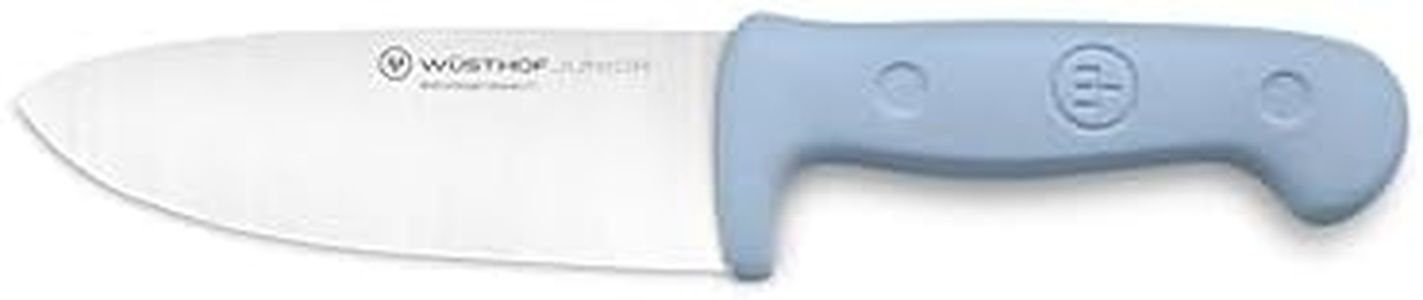
Handle Size and GripThe handle should be sized for small hands and have a nonslip grip to prevent slipping during use. A thick, contoured handle gives children a secure and comfortable hold, encouraging proper technique. Look for handles made of rubber or textured plastic. If your child struggles to wrap their fingers around an adult-sized handle, a kids' version will help them learn control and feel confident.
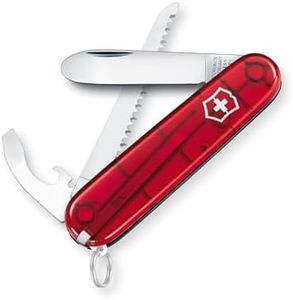
Knife Size and WeightA child’s knife should be lightweight and not too long, making it easier to maneuver and safer to use. Smaller knives are often 5-7 inches in total length, catering to little hands and making the tool less intimidating. For young children, pick the smallest, lightest option; for older or more experienced kids, a slightly larger but still manageable size is better.
Finger Guards and Safety FeaturesKids' knives sometimes include finger guards or protective bumpers to keep fingers away from the blade. Such features boost safety and promote correct grip. If your child is new to kitchen tasks or tends to be uncertain, these extras can be reassuring and helpful. As your child gains confidence, you may find they don't need as much built-in protection.
Ease of CleaningBecause kids’ knives handle food, easy cleaning is important for hygiene. Many are dishwasher-safe or feature simple construction with no tricky parts. If you want to encourage your child’s independence, choose a knife that they can safely and easily help clean after use.