10 Best Kids Mouth Guards
From leading brands and best sellers available on the web.By clicking on a link to a third party's website, log data is shared with that third party.
Related Products
Up to 20% off

Buying Guide for the Best Kids Mouth Guards
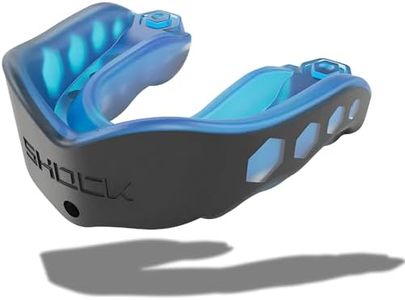
Choosing a children's mouth guard is important for protecting their teeth and mouth during activities like sports. Kids can be more prone to accidental impacts, so making sure you pick a mouth guard that fits comfortably and securely can prevent injuries and encourage them to wear it every time they need to. Look for options that are designed for children's mouths, offer the right type of protection, and are easy to clean. A mouth guard that is uncomfortable or feels bulky will likely be left in the sports bag, so comfort and fit should always be priorities when making your decision.Fit and SizeThis refers to how well the mouth guard fits in your child's mouth. It’s vital because a good fit ensures the mouth guard stays in place, is comfortable, and does not interfere with speaking or breathing. Generally, mouth guards for kids are available in one-size-fits-most, youth sizes, or can be custom-molded. For most children, a moldable (boil-and-bite) mouth guard offers a balance between comfort and protection, while some may need custom fitting if their mouth or teeth are unique or if they have braces.
MaterialMouth guards are usually made from materials like EVA (ethylene vinyl acetate), silicone, or medical-grade plastic. The material determines the comfort, durability, and protection level. Softer materials may feel more comfortable but may wear out faster, while firmer materials provide more protection but can sometimes feel bulky. Choosing the right material depends on how often your child plays the sport, how hard the contact is, and if they have any sensitivities or allergies.
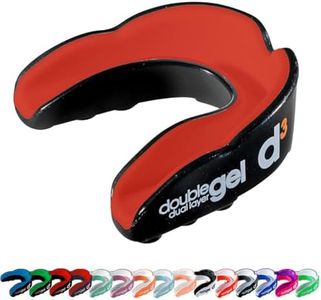
Protection LevelThis feature indicates how much impact a mouth guard can absorb and disperse. Low-contact sports can use thinner and lighter guards, while high-contact activities, such as football or hockey, need thicker and more shock-absorbent mouth guards. Assess your child’s main activities to decide what level of protection is necessary—the more contact and risk involved, the higher protection level should be.
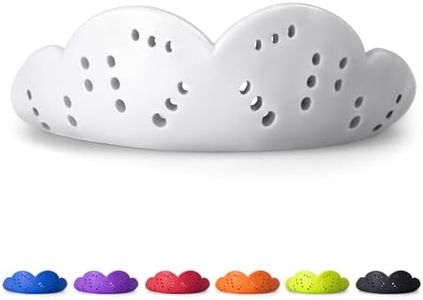
Comfort and BreathabilityA mouth guard should be comfortable enough for your child to wear for the entire duration of their activity, and not restrict their ability to breathe or talk. Some mouth guards are designed with air channels or ergonomic shapes to make breathing easier. If your child complains about discomfort or difficulty breathing, try a different style or a more flexible material to ensure they will actually use the guard.
Braces CompatibilityIf your child wears braces, it’s crucial to pick a mouth guard designed for orthodontic use. These are typically larger or more flexible to accommodate braces and prevent injury to the lips or gums from the brackets and wires. Always look for a mouth guard labeled as ‘braces-compatible’ or check with your orthodontist before buying.
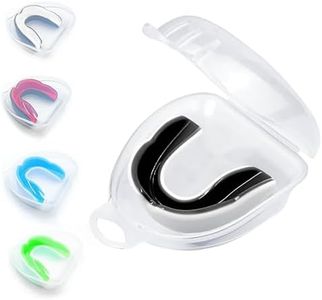
Ease of CleaningKids’ mouth guards should be simple to clean to avoid bacteria build-up. Some mouth guards are dishwasher-safe, while others require hand washing. Check that the material doesn’t easily absorb odors or discolor. If your child is likely to forget to clean it, consider a mouth guard that comes with a carrying case for hygiene and reminders.