10 Best Kids Snake Gaiters
From leading brands and best sellers available on the web.By clicking on a link to a third party's website, log data is shared with that third party.
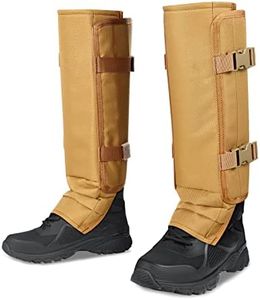
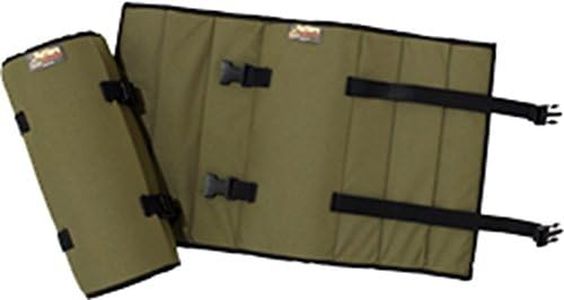
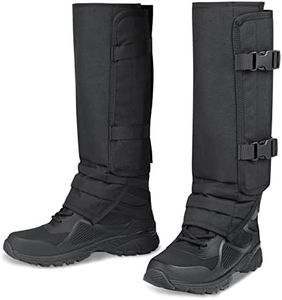

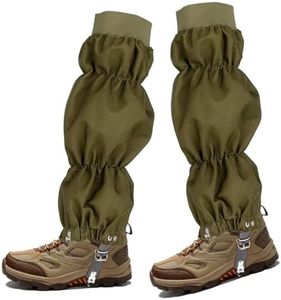
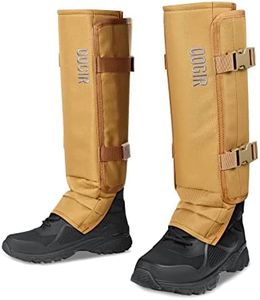
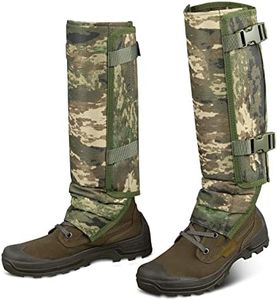

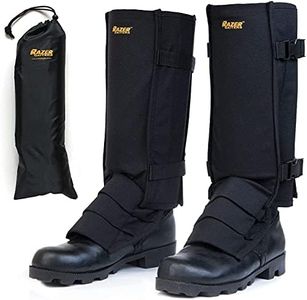
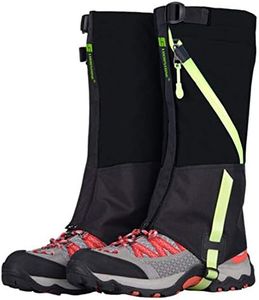
Buying Guide for the Best Kids Snake Gaiters
When looking for kids' snake gaiters, it's important to prioritize safety, comfort, and practicality. Snake gaiters are protective coverings worn over the lower legs to guard against snake bites, especially for children who enjoy outdoor activities such as hiking, camping, or exploring in areas where snakes may be present. Selecting the right gaiters ensures kids can move freely while staying protected. Understanding the key specifications will help you choose gaiters that are safe, comfortable, and fit well for your child's adventures.MaterialThe material of the gaiters determines their durability and ability to resist snake bites. Most are made from tough synthetic fabrics or tightly woven fibers. When evaluating materials, consider how strong the fabric feels and whether it is labeled as puncture-resistant or specifically designed for snake protection. Thicker materials generally offer better protection but may be heavier or warmer, which could reduce comfort for kids during long walks. For most children, a balance between trustworthy protection and wearability is ideal—choose a material that provides advertised bite resistance without being overly cumbersome.
Fit and SizeA properly fitting gaiter is crucial for both safety and comfort. Gaiters come in different sizes, often based on age or specific leg measurements. Too loose, and they may slip; too tight, and they could be uncomfortable or difficult to move in. Most manufacturers offer sizing charts—measure your child's calf and shin before choosing. Adjustable gaiters with straps or elastic can accommodate growth and allow for layering over different types of pants or boots. For best results, aim for snug, adjustable gaiters that offer full coverage from ankle to below the knee without restricting movement.
Closure SystemThe closure system refers to how the gaiters are put on and secured around the leg. Common types include zippers, Velcro, buckles, or a combination. Each system affects how quickly kids can put on or take off the gaiters and how well they stay in place. Velcro is simple for children but may collect dirt and lose stickiness over time, while zippers and buckles give a more secure fit but can be trickier for younger kids to manage on their own. Consider your child’s age, dexterity, and how often the gaiters need to be removed during an outing when choosing the closure type.
Weight and ComfortThe weight and general comfort of gaiters are important since kids may be wearing them for long periods. Heavier gaiters might offer more protection but can tire little legs or cause overheating, while very lightweight models may be more comfortable but potentially less robust. Look for gaiters with padded sections or breathable linings if your child will be active for hours. For younger children or those new to gaiters, prioritize lightweight and flexible models that allow easy movement and won’t discourage them from wearing protection.
Water and Weather ResistanceMany gaiters are treated to repel water and resist other elements like mud or snow. Water resistance keeps feet and lower legs dry and adds an extra layer of protection against moisture-related discomfort or chills during hikes. Not all snake gaiters are fully waterproof, so check for details like waterproof coatings or sealed seams. If your child will be outdoors in damp or unpredictable weather, opt for weather-resistant gaiters to enhance comfort and overall usability.
Visibility and DesignColor and design can make a difference, especially for children who may need to be easily spotted during outdoor activities. Some gaiters have bright colors or reflective strips for added safety, which can help parents or caregivers keep track of kids in dense or low-light environments. Consider your usual outdoor conditions; if hiking in areas with thick underbrush or poor lighting, choosing a gaiter with bright colors or reflective elements will add an extra layer of visual safety.