10 Best Kitten Dry Cat Foods
From leading brands and best sellers available on the web.By clicking on a link to a third party's website, log data is shared with that third party.
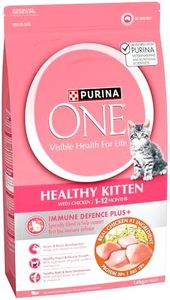
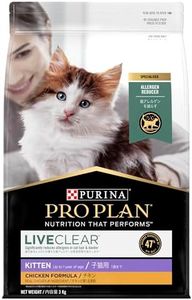
Related Products
Buying Guide for the Best Kitten Dry Cat Foods
Choosing the right kitten dry cat food is an important step in your kitten’s healthy growth and development. Since kittens have special nutritional needs for their rapidly growing bodies, it’s essential to understand what to look for on the packaging and how to read the ingredient list. A high-quality kitten food will supply complete and balanced nutrition, help build a strong immune system, and support healthy bones, organs, and fur. With so many options on the market, paying attention to the key specifications below will help you make a smarter choice that fits your kitten’s specific needs.Protein ContentProtein content tells you how much of the food’s calories come from protein sources like chicken, fish, or eggs. Protein is crucial for kittens because it supports muscle growth and tissue repair. On labels, this is usually shown as a percentage under 'crude protein.' Lower protein levels (around 28-30%) are generally seen in adult cat food, while kitten food should have higher values (32% or more) to support quick growth and activity. If your kitten is energetic and still growing, aim for foods with higher protein content. It’s also good to look for named animal proteins as the first ingredient.
Fat ContentFat content provides kittens with the energy they need for play and growth, and also helps them absorb important vitamins. This is usually labeled as 'crude fat' and shown as a percentage. Kittens require more fat in their diets than adult cats—look for foods in the range of about 18% to 22% fat. For less active kittens or those being transitioned to adult food, a slightly lower fat content may be appropriate. High-quality animal fats are best, and healthy fats like those from fish oils can also support coat and brain development.
Ingredient QualityIngredients are listed in order of quantity, so the first few items are the most important. Look for real, named animal proteins (like 'chicken' or 'salmon') at the top of the list rather than vague terms like 'meat by-products.' Whole grains, vegetables, and added vitamins indicate a balanced formulation. Try to avoid foods with lots of fillers, artificial colors, or preservatives, as these add little nutritional value. If your kitten has sensitivities, keep an eye out for foods with shorter, more recognizable ingredient lists.
Kibble Size and TextureKibble size and texture matter because kittens have small mouths and developing teeth. Kibbles designed for kittens are typically smaller and crunchier, making them easier to chew and aiding dental health. Softer or tiny kibbles are handy for very young kittens just learning to eat solid food. If your kitten struggles with regular dry food, opt for a product that notes an extra-small or tender kibble. As your kitten grows and becomes comfortable with chewing, you can consider larger pieces.
Added Nutrients and SupplementsExtra nutrients are often added to kitten dry foods to boost your kitten’s health. Important ones include DHA (a fat found in fish oil that supports brain and vision development), taurine (an essential amino acid for heart and eye health), and antioxidants (to support the immune system). You’ll often see these highlighted on packaging. If your kitten was orphaned, comes from a shelter, or seems at risk for deficiencies, selecting food with added DHA and taurine is particularly helpful.
AAFCO StatementThe AAFCO (Association of American Feed Control Officials) statement indicates whether the food is complete and balanced for kittens. It should say that the food is formulated to meet the nutritional levels established by the AAFCO Cat Food Nutrient Profiles for growth and reproduction. This means the product provides all necessary nutrients for your kitten’s health. Always check for this statement to ensure you’re not missing any essentials in your kitten's diet.