10 Best Klein Multimeters
From leading brands and best sellers available on the web.By clicking on a link to a third party's website, log data is shared with that third party.


Related Products
Up to 20% off
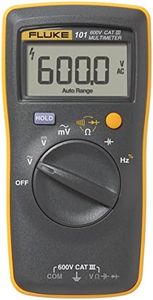
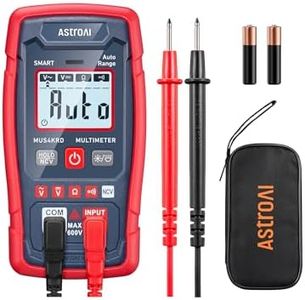

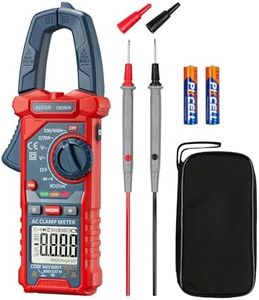
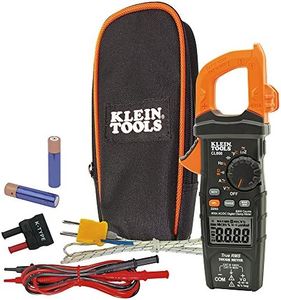

Buying Guide for the Best Klein Multimeters
Choosing the right multimeter can make electrical testing and troubleshooting simpler and safer. When picking a multimeter, it's important to understand not only what you'll use it for but also which features and specifications matter for your specific needs. Whether you're a beginner or more experienced, knowing the key specs will help you find a model that makes your work easier and more accurate.Display Type and SizeThe display of a multimeter shows your measurements, so its clarity and size are important for easy reading. Some displays have large digits or backlighting for better visibility in dim places. If your work often happens in tight or dark spots, a bigger, backlit display is helpful. Those doing quick, routine measurements may be fine with a standard screen.
Measurement RangeThis refers to the voltage, current, and resistance levels that the multimeter can safely measure. Some meters require you to manually select the right range, while others do it automatically (autoranging). For most hobbyists or basic home tasks, lower ranges will cover your needs. If you plan to work with higher-powered circuits or a wide variety, a broader range and autoranging function save time and reduce errors.
AccuracyAccuracy tells you how close your measurement will be to the real value. It's usually given as a percentage. For general household tasks, standard accuracy is fine. If you need precise measurements for sensitive work like electronics troubleshooting or calibration, consider a model with higher accuracy.
Safety Ratings (CAT Ratings)Multimeters are rated for certain categories (like CAT II, CAT III, CAT IV), which reflect the level of voltage and type of circuit they can safely test. The higher the CAT number, the greater the protection. For simple or low-voltage tasks, a lower rating may do, but for commercial, industrial, or panel work, a higher safety rating is important for protection from dangerous spikes.
Durability and Build QualityMultimeters vary in how rugged they are—some have rubber covers or cases for drop protection, while others are more basic. If you expect heavy or frequent use, or work on job sites, look for a tougher, well-protected model. Occasional users or indoor work can usually go with a simpler build.
Functions and FeaturesSome multimeters offer extra functions like temperature measurement, continuity buzzer, NCV (non-contact voltage), or data hold. Choose a meter with only the features you'll use regularly. For example, electricians may appreciate NCV, while hobbyists might prioritize basic voltage and resistance.
Battery Type and LifeThe meter is powered by batteries, and some models last longer or offer easier battery changes than others. If you often work in the field or away from spares, consider long battery life and easy access when it's time for replacement.