10 Best Landscape Edgings
From leading brands and best sellers available on the web.By clicking on a link to a third party's website, log data is shared with that third party.
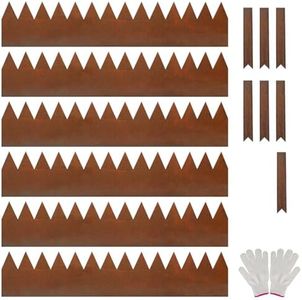
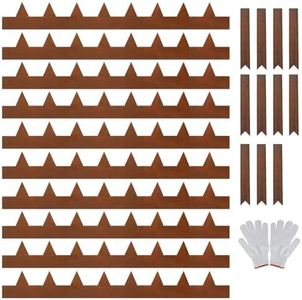
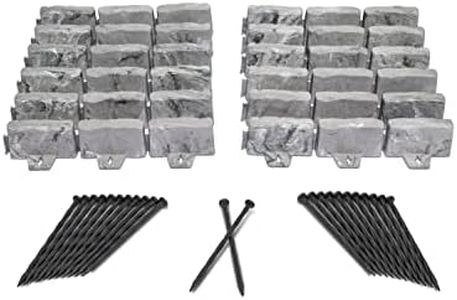
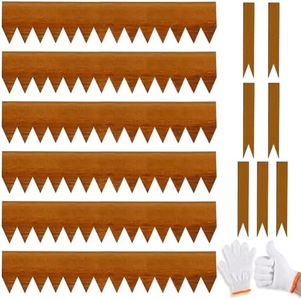
Related Products
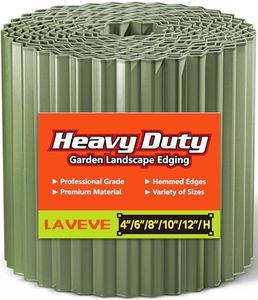
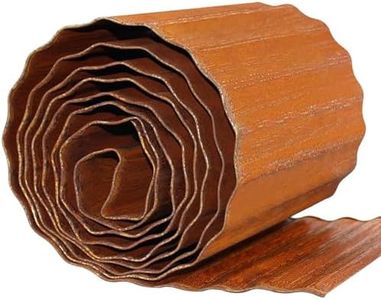
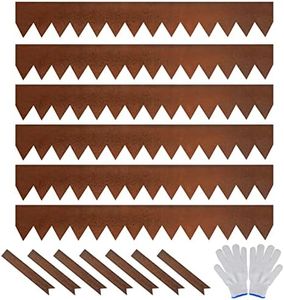
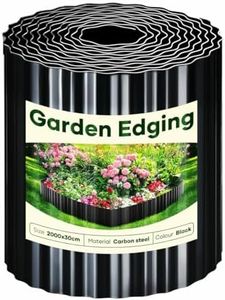

Buying Guide for the Best Landscape Edgings
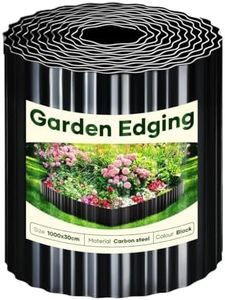
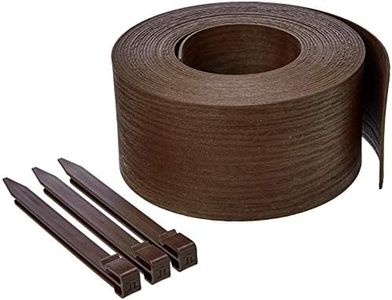
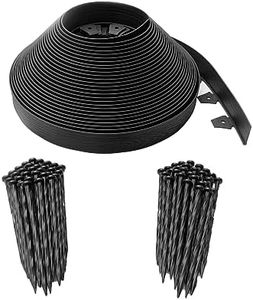
Choosing the right landscape edging can make a big difference in your yard or garden, both in appearance and practicality. Landscape edging helps to define garden beds, separate your lawn from flowerbeds, keep mulch or gravel neatly in place, and create clean, tidy lines. To make the best choice, you should think about your garden style, how much maintenance you want to do, and the level of durability you need based on your climate and the types of plants or materials you use. Understanding the main features of landscape edgings will help guide you toward a solution that fits your outdoor space and personal preferences.Material TypeMaterial type describes what the edging is made of—common options include plastic, metal, rubber, stone, or wood. Each material has its own strengths. For example, flexible plastic or rubber is easy to install and suitable for curvy lines, while metals like steel or aluminum are strong, last long, and create crisp, straight edges. Stone and wood provide a natural look but may require more upkeep. To pick the right material, think about the look you want, weather conditions in your area, and whether you need something that can bend for curves or a rigid form for straight sections.
HeightHeight refers to how tall the visible part of the edging is once it's installed. Lower heights (2–4 inches) are good for keeping mulch or gravel in place and creating subtle separations. Medium heights (4–6 inches) work well for preventing grass from spreading into beds and for more visible borders. Higher edgings (above 6 inches) act as barriers for aggressive spreading plants or to keep in larger mulches or stones. If you want something discreet, go for lower edges; if you need a stronger barrier, choose higher options.
FlexibilityFlexibility is about how easily you can bend or shape the edging along curves or uneven terrain. Flexible edging materials (like plastic, rubber, or some metals) are helpful if you want to create curved borders around flowerbeds or winding paths. Rigid options (like stone, brick, or thick wood) are better for straight lines or formal designs. Think about the layout of your garden; if it features a lot of wavy lines, flexibility is a priority. If your design is geometric and straight, rigidity works just fine.
Ease of InstallationEase of installation covers how simple or complicated it is to put the edging in place. Some edgings are designed for DIY, snapping together or being pressed into the ground without special tools. Others may require digging, anchoring with stakes, or using adhesive. If you have little DIY experience or want a quick makeover, look for edgings specifically labeled as easy to install. For more permanent solutions or complicated designs, be prepared for a little more work.
Durability and MaintenanceDurability and maintenance mean how long the edging will last before needing replacement or repairs, and how much work it takes to keep it looking good. Metals and stone are usually long-lasting and weather-resistant, requiring less attention, while wood may rot over time and some plastics can break down in strong sunlight. If you need edging to last for years with little upkeep, pick a durable material suited for your climate. If you don’t mind occasional maintenance or want to change styles often, less durable options could work.