10 Best Laptops Under 500
From leading brands and best sellers available on the web.By clicking on a link to a third party's website, log data is shared with that third party.


Related Products
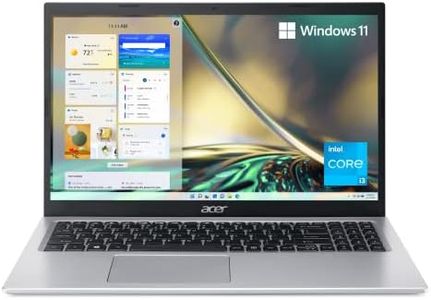
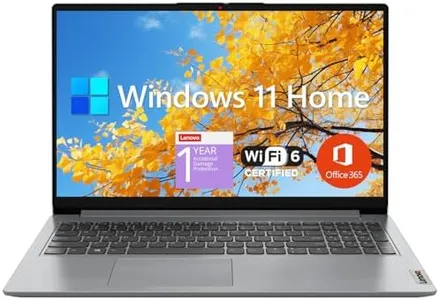
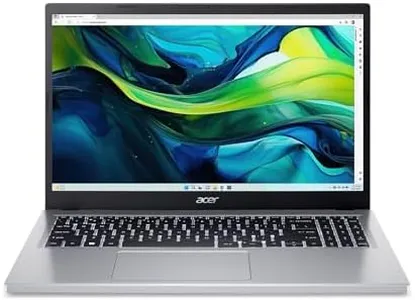
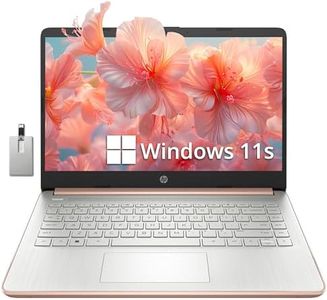
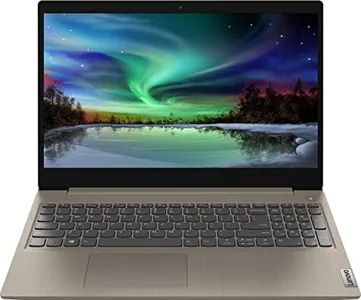
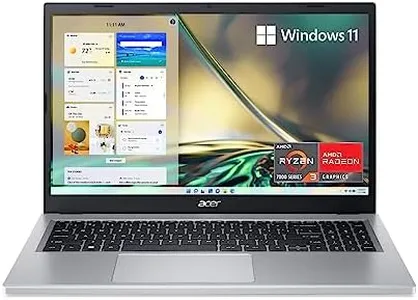
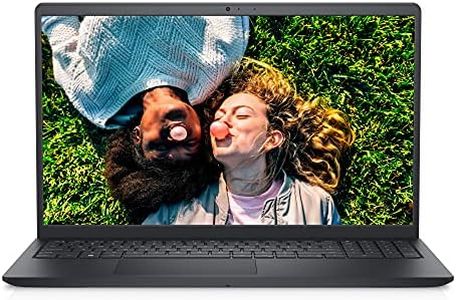
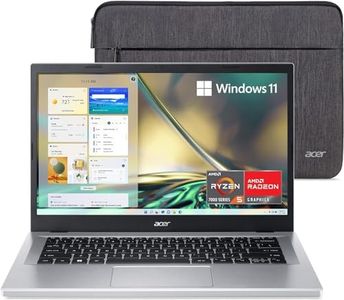
Buying Guide for the Best Laptops Under 500
When looking to buy a laptop under $500, it’s all about finding the right balance between performance, functionality, and the features that match your everyday needs. Whether you’re using it for school, work, browsing, or light entertainment, focusing on the key specifications will help you make a smart choice. Think about what tasks you do most often—like writing, streaming, or working with spreadsheets—and let those needs guide your choices. Lower-priced laptops often require smart compromises, so a little knowledge goes a long way.Processor (CPU)The CPU, or processor, is the brain of your laptop. It determines how quickly your device handles tasks and runs programs. Entry-level CPUs like Intel Celeron, Pentium, or lower-end AMD chips are common in this price range. These are suitable for basic use like browsing, email, and word processing but may struggle with intensive activities like gaming or video editing. For the smoothest general performance, opt for a laptop with at least an Intel Core i3 or AMD Ryzen 3 if possible. Your choice should be based on what you’ll use the laptop for—simple activities need less power, while multitasking or heavier software require a step up.
Memory (RAM)RAM helps your laptop run multiple tasks smoothly and keeps performance stable when switching between programs. In budget laptops, you’ll often see 4GB or 8GB of RAM. 4GB is enough for very basic tasks and light use but may feel slow when you have many tabs or programs open. For a more responsive experience, especially if you multitask or plan to keep the laptop for a while, look for 8GB RAM. Gauge your needs: if you only do light web browsing and email, 4GB might work, but 8GB is better for schoolwork, streaming, or frequent multitasking.
Storage (HDD or SSD)Storage is where your files, apps, and system are kept. In this price range, you’ll find both traditional hard drives (HDD) and faster solid-state drives (SSD). SSDs make your laptop feel much faster, with quicker boot times and app launches. Laptops might offer 64GB or 128GB SSD storage for speed, or a larger 500GB or 1TB HDD for space. Consider an SSD even if it’s smaller, especially if you mainly use cloud storage or external drives. If you have lots of files or media, a larger HDD might be valuable, but for smoother everyday performance, go for an SSD.
Display Size and QualityThe screen size and display resolution impact your comfort and enjoyment. Sizes commonly range from 11 to 15.6 inches under $500. Smaller screens are lighter and more portable, while larger screens are easier on the eyes for long periods or sharing. For clarity, look for a Full HD (1920x1080) resolution if you can; many budget laptops have lower (HD or 1366x768) resolutions, which are fine for most uses but less sharp. If you move around a lot, prioritize a smaller, lighter screen; for stationary or school use, a larger display may be preferable.
Battery LifeBattery life tells you how long your laptop will last away from a charger. Under $500, battery performance can vary widely—from 4 to 10+ hours. If you frequently work on the go, look for laptops promising at least 6 to 8 hours of battery, although real-life use can differ from manufacturer claims. If you often use your laptop plugged in at home or school, this spec may be less critical. Your daily routine—whether mobile or at a desk—will help you prioritize battery life.
Build Quality and WeightLaptops at lower price points are often made of plastic and may not feel as sturdy as more expensive models. Weight is also important if you plan to carry your laptop around. Lighter devices (under 3.5 pounds) are ideal for travel and students, while heavier laptops may be more cumbersome but sometimes offer larger screens or more ports. Consider how often you’ll transport your laptop, and decide if portability or a larger, sturdier frame matters most for your usage habits.
Ports and ConnectivityThe types and number of ports on a laptop determine how you connect accessories such as USB drives, external monitors, headphones, or SD cards. Budget laptops may have a limited selection, commonly offering a few USB ports, HDMI for displays, and an audio jack. Think about what devices you regularly use—like external storage, printers, or projectors—and check that the laptop has the right ports for you. If you need lots of connections or have specific needs (like an SD card reader), double-check these features before buying.