10 Best Large Capacity Rice Cookers
From leading brands and best sellers available on the web.By clicking on a link to a third party's website, log data is shared with that third party.
Related Products
Up to 56% off
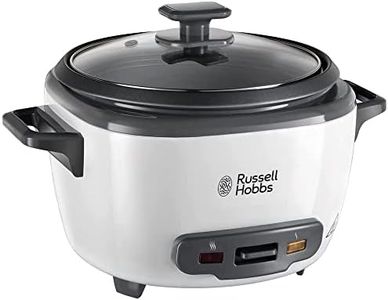
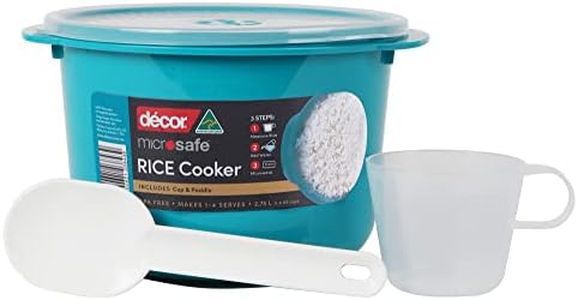

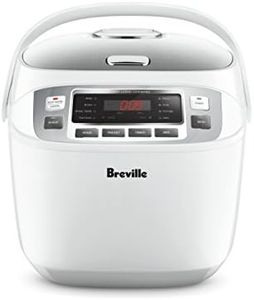

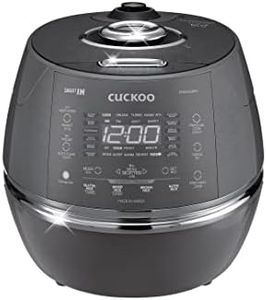

Buying Guide for the Best Large Capacity Rice Cookers
Selecting a large-capacity rice cooker is about balancing capacity, convenience, and the features that match your family size or event needs. Think about how much rice you regularly cook and whether you plan to use the cooker for events, meal prepping, or just daily dinners. It's easy to get swayed by smart gadgets or extra settings, but start by focusing on how many people you typically serve at once and which features will truly make your cooking easier.CapacityCapacity tells you how much rice the cooker can prepare at once, usually measured in uncooked cups. This is the most important factor with large cookers because too small and you won’t have enough for everyone; too large and you risk wasting rice or using extra space and energy. Cookers are generally available in mid-size (6-10 cups), large (10-20 cups), and extra-large (over 20 cups). For families or small gatherings, a 10-cup model might be enough, but for bigger events or institutions, 20 cups or more is often necessary. Think about your usual group size and pick a model that offers a little extra, just in case.
Cooking ModesCooking modes refer to the different ways the rice cooker can prepare rice or other foods, such as settings for white rice, brown rice, porridge, or even steaming and slow cooking. While some simple models offer a 'cook' and 'keep warm' function, more advanced versions can adjust cooking time and temperature for specific grains. More modes can be useful if you like cooking various types of rice or using the cooker for more than just rice. Choose a cooker based on what kinds of meals you want to prepare and how much flexibility you need.
Inner Pot MaterialThe inner pot is where the rice and water cook, typically made from non-stick coated aluminum, stainless steel, or sometimes ceramics. Non-stick pots are easy to clean but may scratch over time, while stainless steel pots are more durable but can be harder to wash and sometimes lead to sticking. Ceramics are easy to clean and don’t react with food, though they're more fragile. If cleaning is your top priority, non-stick or ceramic may be better. For durability and longevity, stainless steel is often preferred. Your choice should depend on how often you plan to use the cooker and how much effort you want to spend cleaning and maintaining it.
Keep Warm FunctionThe keep warm function maintains the rice at a safe, ready-to-eat temperature after cooking. Basic models keep food warm for a few hours, while more advanced cookers offer extended periods (even 12-24 hours) without drying out the rice. If you have a busy schedule or serve at events where food needs to stay hot for long periods, look for one with a longer and more effective keep warm feature.
Ease of CleaningEase of cleaning refers to how simple it is to wash the removable parts, such as the inner pot, steam vent, and lid. Cookers with dishwasher-safe or non-stick parts, or removable lids, are easier to keep clean. If you’d rather save on effort and maintenance, check for these features, especially since larger models can be more cumbersome to wash by hand.
Safety FeaturesSafety features can include cool-touch exteriors, automatic shut-off, overheat protection, and lid locks. These are important especially if the cooker will be around kids, used in public events, or left working when unattended. If safety is a concern, prioritize a model with more user-friendly and protective features.