10 Best Large Print Study Bibles
From leading brands and best sellers available on the web.By clicking on a link to a third party's website, log data is shared with that third party.
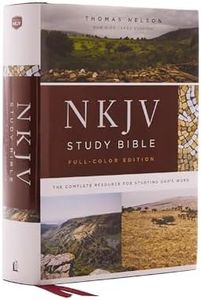
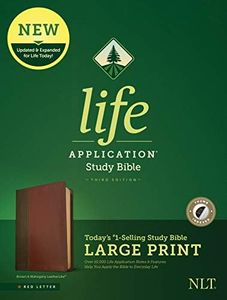
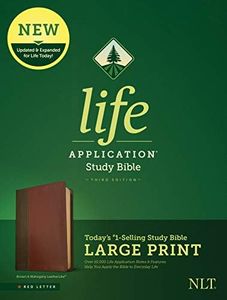

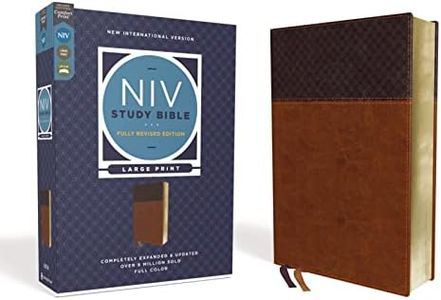
Related Products
Up to 30% off
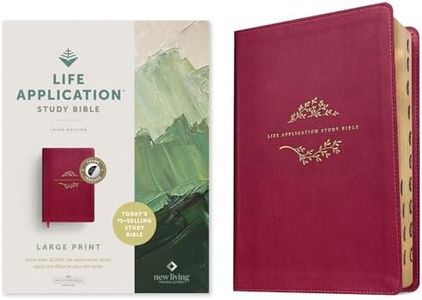
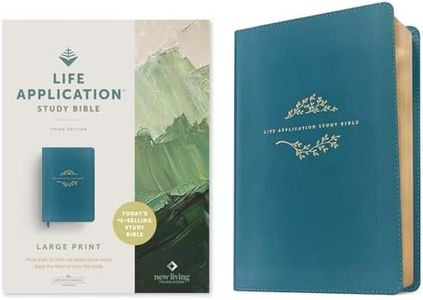

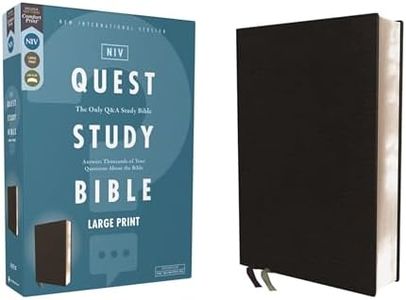
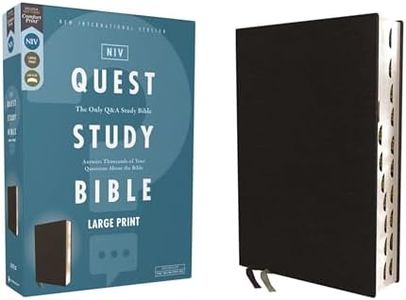
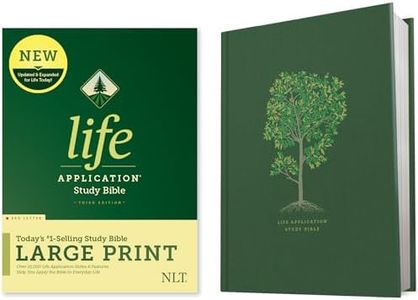
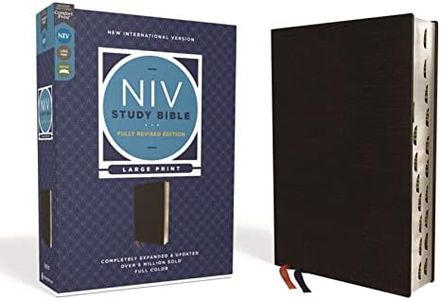
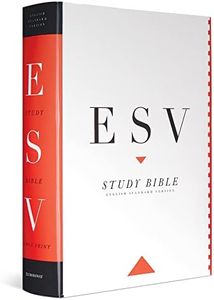
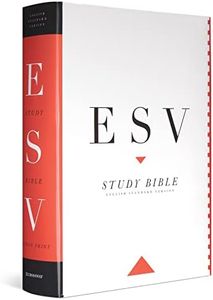
Buying Guide for the Best Large Print Study Bibles
Choosing a large-print study Bible is a thoughtful process because it’s not just about how the Bible reads, but also about your comfort and how well it helps you understand the text. The main reason people seek large-print editions is for easier reading, especially if you have vision difficulties or just want a less straining experience. A study Bible also adds helpful notes, references, and background information to aid your understanding, so it’s important to consider both the size of the text and the quality of the extra study features. Think about where and how you’ll read—at a desk, in church, or on the go—and how much you value features like maps, explanations, or cross-references.Print Size (Font Size)Print size, usually measured in points (pt), tells you how large the letters are on the page. This matters a lot for readability, especially for people with tired eyes or vision impairments. Large print in Bibles typically ranges from 10 pt to 16 pt or more. Smaller large print, around 10-12 pt, is easier to handle and lighter, but may still be hard for some people to read for long periods. True large-print Bibles (13 pt and above) offer maximum comfort for reading but result in thicker, heavier volumes. Think about whether you need extra-large type for easy reading, or if you’re comfortable with moderately large print to keep the Bible more portable and less bulky.
Study FeaturesStudy Bibles include various features like footnotes, commentary, cross-references, maps, and introductions to each book. These additions help you understand the context, meanings, and interpretations of scripture. Some Bibles offer extensive study notes and resources, making them excellent for deep study sessions, while others keep it minimal for lighter reading. If you want to dive deep into learning, pick a study Bible known for its comprehensive notes and materials. If you prefer minimal distractions, look for editions with simple cross-references or limited notes.
Bible TranslationThe translation refers to the way the original biblical texts are rendered into your language. Some translations use more traditional or formal language, while others use everyday modern language for easier reading. There are also translations focusing on word-for-word accuracy, others on thought-for-thought clarity, or some in between. If you prefer familiar, traditional phrasing, go for a classic translation. For easier reading and understanding, especially if you’re newer to the Bible, consider a contemporary translation. Your comfort with the language style should guide your choice.
Binding and DurabilityThe way a Bible is put together affects how long it will last, especially as large-print study Bibles can be heavy and used frequently. Common bindings include hardcover, imitation leather, and genuine leather. Hardcover is sturdy and cost-effective but less flexible. Leather options look elegant and are more durable and flexible, which can be more comfortable to hold open for long periods. Also, look for features like sewn bindings, which help the Bible lay flat and last longer. If you plan to use your Bible every day or carry it often, prioritize binding quality for durability.
Size and WeightLarge-print study Bibles are naturally bigger and heavier than regular ones, due to the larger text and extra content. Some are desktop size, intended to stay in one place, while others aim for a balance of portability and readability. If you need to carry it to church, study groups, or while traveling, consider a more compact version—even if the print isn’t the largest. For home use, a bigger, heavier Bible might be just right. Think about your typical use to find the ideal compromise between readability and convenience.
Paper Quality and OpacityThicker, more opaque paper makes it easier to read because there’s less 'ghosting' (seeing the print from the other side of the page). Since study Bibles can be packed with footnotes and cross-references, it’s important to have good quality paper, so everything stays legible and you don’t get distracted by text showing through. Thinner paper makes for a lighter and slimmer Bible, but thicker, higher-quality paper is best for comfort if you don’t mind a heavier book.