We Use CookiesWe use cookies to enhance the security, performance,
functionality and for analytical and promotional activities. By continuing to browse this site you
are agreeing to our privacy policy
10 Best Laser Projectors
From leading brands and best sellers available on the web.By clicking on a link to a third party's website, log data is shared with that third party.

Related Products
Up to 29% off
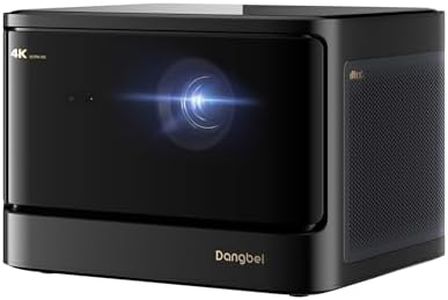
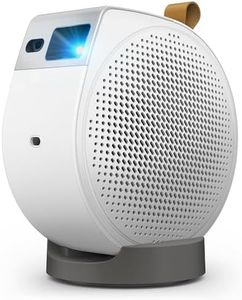
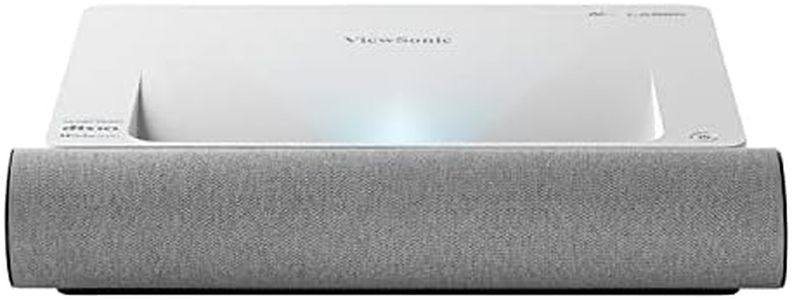
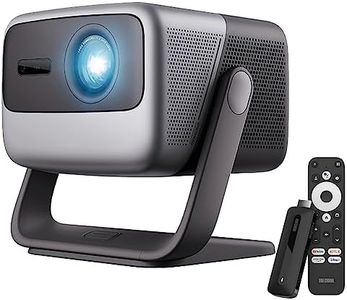

Buying Guide for the Best Laser Projectors
When choosing a laser projector, it's helpful to focus on what you'll use it for, like movies, presentations, or gaming. Consider your typical room size, lighting conditions, and where you'll set up the projector. Think also about how often you’ll use it and whether you need features that make it easier to move or set up. Understanding the key specs can help you find a laser projector that brings the best experience for your needs.Brightness (Lumens)Brightness, usually measured in lumens, tells you how much light the projector puts out. This spec is important because it affects how clear and visible your image will be, especially in rooms with some ambient light. Projectors with lower brightness (under 2000 lumens) are suitable for very dark rooms. Medium brightness (2000–3000 lumens) works for rooms with moderate light, like living rooms during the day with curtains. High brightness (over 3000 lumens) is best for brighter rooms, bigger screens, or spaces like offices and classrooms. You should pick the level that matches your room lighting and screen size to get a clear, vibrant picture.
ResolutionResolution is the number of pixels a projector can display and determines how sharp and detailed the image appears. Common options are HD (1280x720), Full HD (1920x1080), and 4K (3840x2160). Higher resolution means a crisper picture, especially noticeable on larger screens or when sitting close. Choose a higher resolution for watching movies, gaming, or showing detailed presentations. For basic slides or small screens, lower resolution might still be sufficient and clear.
Contrast RatioContrast ratio refers to the difference between the brightest whites and the darkest blacks the projector can show. A higher contrast ratio means the image has punchier blacks and can show more detail in dark scenes, which is especially important for movies, photos, or any content with lots of shadow. Lower contrast is okay for simple presentations but can make movies and videos look washed out. Pick a higher contrast ratio if you care about rich picture quality and depth.
Laser Light Source LifespanThis spec indicates how long the laser light inside the projector can last before its brightness drops significantly. Laser sources usually last longer than traditional bulbs, often rated for 20,000 hours or more. A longer lifespan means less worry about maintenance or changing parts, which is handy if you plan to use the projector often or for long periods. If you expect heavy use, prioritize a longer lifespan for peace of mind.
Throw DistanceThrow distance tells you how far you need to place the projector from the screen to get your desired image size. Standard throw projectors need more space, while short-throw or ultra-short-throw projectors can sit closer to the screen, making them great for small rooms or tight spaces. Think about your setup: if you have limited distance between your wall and projector, look for short-throw models; otherwise, standard throw could work well.
Input ConnectionsInput connections show what devices you can plug into the projector, like HDMI for laptops or streaming boxes, USB for flash drives, and sometimes wireless options like Bluetooth or Wi-Fi. If you have many modern devices, you’ll want at least one or two HDMI ports. For presentations, USB might be important. Picking the right connections depends on what you'll connect the projector to and how flexible you want to be.
Built-in AudioBuilt-in audio means the projector has its own speaker, which can be convenient if you don’t want to set up separate speakers. However, these are often basic and best for small rooms or casual use. If you care about powerful or high-quality sound, plan to connect external speakers. Consider built-in audio as a bonus for portability and simple setups when sound quality isn’t your main concern.
Size and PortabilityThe size and weight of a projector can affect how easy it is to move around or set up in different locations. Bigger projectors often have more features and power but are less portable. Smaller, lighter projectors are easier to move but may not be as bright or feature-rich. Think about if you’d like to move your projector between rooms or take it out and choose accordingly.