We Use CookiesWe use cookies to enhance the security, performance,
functionality and for analytical and promotional activities. By continuing to browse this site you
are agreeing to our privacy policy
10 Best Litter For Cats With Asthma
From leading brands and best sellers available on the web.By clicking on a link to a third party's website, log data is shared with that third party.
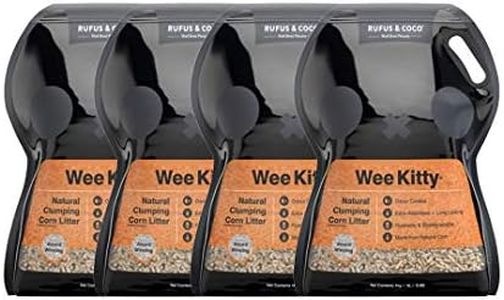
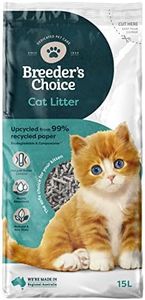
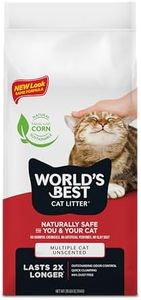
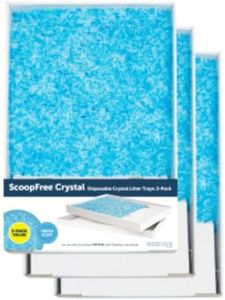

Related Products
Up to 10% off
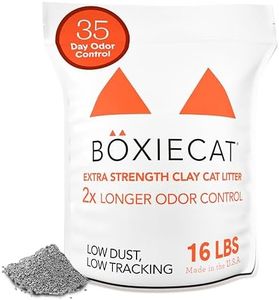
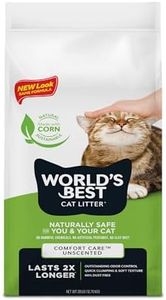


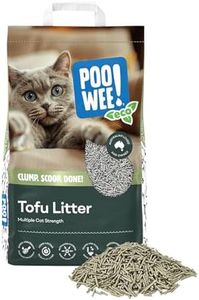

Recommended lists


Buying Guide for the Best Litter For Cats With Asthma
Choosing the right litter for cats with asthma is especially important because asthma is a respiratory condition made worse by dust, strong scents, and certain chemicals. When shopping for cat litter, your goal is to create a healthy, safe environment for your cat while still finding a product that is practical and easy for you to manage. Focus on litters that support both your cat’s respiratory health and your household’s needs.Dust LevelDust level refers to how much fine particulate matter a litter produces when you pour it or as your cat digs in the box. High dust levels can worsen asthma symptoms by being inhaled, so it's essential to pick a low-dust or dust-free formula. Litter products are often labeled as 'dust-free,' 'low-dust,' or have no claim at all. For asthmatic cats, it's best to stick with litters that specifically advertise being '99% dust-free' or 'low-dust,' as this minimizes the risk of aggravating your cat’s airways.
Fragrance and AdditivesMany litters use added fragrances or deodorizing chemicals to control odor, but these can irritate a cat's sensitive respiratory system, especially in cats with asthma. The options usually range from heavily scented to unscented or naturally odor-controlled (like baking soda). For an asthmatic cat, always choose unscented litter, and watch for labels such as 'fragrance-free' or 'free of additives.' This reduces the risk of asthma attacks triggered by strong smells or chemical inhalation.
Material TypeCat litter comes in different materials, including clay (clumping or non-clumping), crystal, natural alternatives (like wood, paper, corn, or walnut), and others. Each type has its own dust and chemical profile. Clumping clay is convenient but is often dustier, while natural or plant-based litters like paper or wood are usually lower in dust and free of artificial chemicals. For a cat with asthma, selecting paper, wood, or certain natural alternatives is preferable, as these tend to produce less airborne particles.
Absorbency and Clumping AbilityAbsorbency and clumping refer to how well the litter controls moisture and forms solid masses (clumps) when wet. Good absorbency helps control odor and keeps the box cleaner, but some high-absorbency or clumping litters may generate more dust. If your cat’s asthma is severe, non-clumping but highly absorbent natural litters (like recycled paper pellets) may be safer. If you prefer clumping litter for easier cleaning, select a low-dust, natural clumping type.
Ease of CleaningSome litters are designed for easy scooping and regular maintenance, while others can be messier or require more frequent full changes. While choosing litter, remember that less handling means fewer dust particles are released into the air, reducing asthma risks. Consider your willingness to scoop daily and clean the box regularly, and opt for a formula that makes this easy without producing dust.