We Use CookiesWe use cookies to enhance the security, performance,
functionality and for analytical and promotional activities. By continuing to browse this site you
are agreeing to our privacy policy
10 Best Long Range Security Cameras
From leading brands and best sellers available on the web.By clicking on a link to a third party's website, log data is shared with that third party.
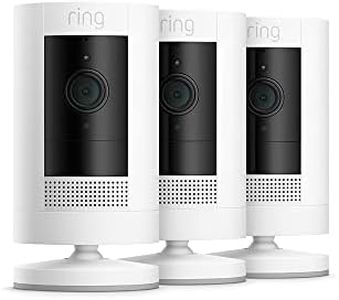
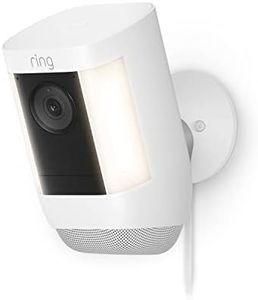
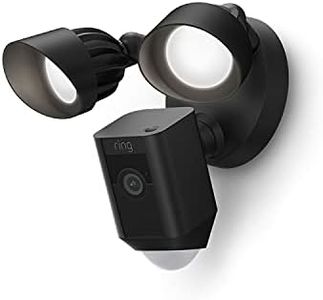
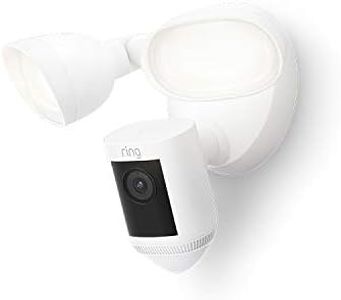
Related Products
Up to 10% off

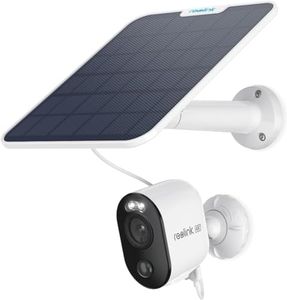
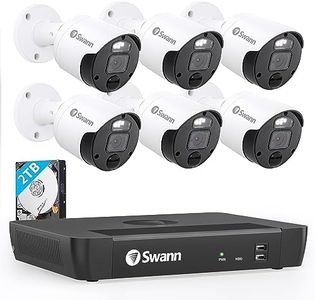

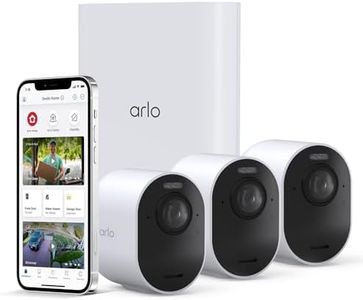
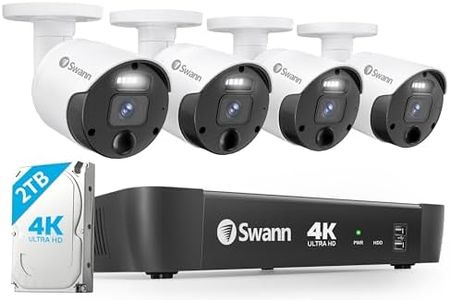
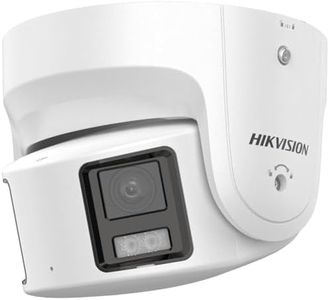


Buying Guide for the Best Long Range Security Cameras
When shopping for a long-range security camera, it's important to understand that not all cameras are suited for capturing clear images at a distance. Long-range options are ideal for monitoring large properties, parking lots, entryways, or any area where you want to see far-off details. The key to a successful purchase is matching your specific monitoring needs with the camera's technical specs. By focusing on features that directly impact how far and how clearly the camera can see, you'll be able to choose a product that keeps your property safe and delivers the performance you expect.ResolutionResolution refers to how many pixels a camera uses to create an image or video and is usually measured in megapixels (MP) or by video standards like 1080p, 4K, etc. Higher resolution means more detail, which is essential for long-range cameras because as you zoom in or look further away, details can become blurry if the resolution is too low. Cameras with lower resolutions (720p or 1080p) might be fine for short distances but will struggle to give you clear images at long ranges. Choosing a higher resolution camera (such as 4MP, 5MP, 8MP/4K) helps ensure you capture fine detail, even at the edges of the camera’s viewing field. If your goal is to recognize faces, read license plates, or clearly identify objects far from the camera, prioritize higher resolutions.
Optical ZoomOptical zoom describes a camera's ability to magnify an image using moving lenses, rather than just enlarging pixels as digital zoom does. This is crucial for long-range security cameras because it enables you to clearly see distant subjects without losing image quality. Cameras with low or no optical zoom (like fixed-lens cameras) are best for wide overviews or close-up monitoring, while those with 4x, 12x, 20x or even more optical zoom can home in on faraway details, making them excellent for monitoring extensive areas. If you want flexibility to focus on distant gates, roads, or corners of your property, look for a camera with substantial optical zoom capability.
Night Vision (Infrared Range)Night vision refers to how far and how well a camera can see in darkness, which is achieved through built-in infrared (IR) LEDs that illuminate the area in front of the lens. The IR range tells you the maximum distance at which the camera can still capture useful footage in low-light or complete darkness. Shorter IR ranges (up to 30-50 feet) are only sufficient for near-by monitoring, while long-range cameras should have IR ranges of 100 feet, 200 feet, or even more. If you need to monitor large gaps, open fields, or perimeter fences at night, opt for cameras with higher specified IR ranges to ensure reliable round-the-clock surveillance.
Field of View (FOV)Field of view tells you how wide an area the camera can cover at once, usually measured in degrees. A narrower FOV (like 20-40 degrees) allows you to see farther into the distance with much detail, making it great for focusing down one path or driveway. Wider FOVs (like 90-120 degrees) capture more side-to-side area but may compromise detail at long distances. Think about whether your priority is seeing a specific distant spot clearly, or monitoring a broad area, and choose a FOV that matches your needs.
Weatherproof/Durability RatingThe weatherproof or durability rating, commonly shown as IP66, IP67, or similar, indicates how well the camera can withstand elements like rain, dust, and extreme temperatures. This is important for long-range cameras, which are often installed outdoors in exposed areas. The higher the IP rating, the better protected your camera will be against harsh weather, ensuring consistent performance and longevity. If your camera will be placed outside facing long-range targets, a higher IP rating is recommended.