10 Best Long Reach Pole Saws
From leading brands and best sellers available on the web.By clicking on a link to a third party's website, log data is shared with that third party.

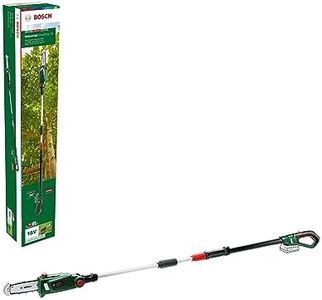

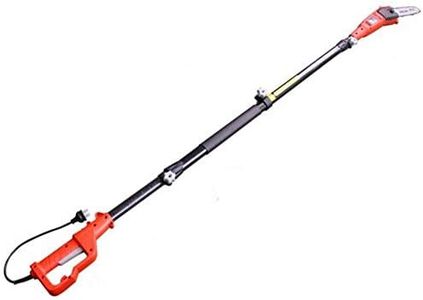

Related Products
Up to 11% off
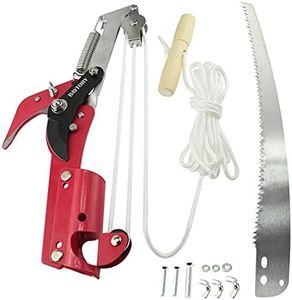
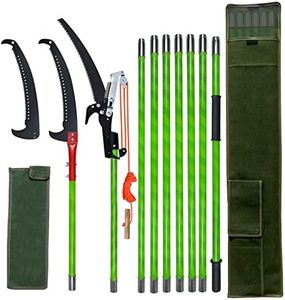

Buying Guide for the Best Long Reach Pole Saws
Choosing the right long-reach pole saw is all about matching the tool to your personal needs and outdoor tasks. These tools are designed to help you trim higher branches safely and efficiently, keeping your feet firmly on the ground. When shopping for a pole saw, consider where and how you'll use it most—whether for occasional light pruning or regular heavy-duty yard work. Focus on comfort, reach, and cutting capacity to make sure you pick a tool that feels good in your hands and delivers the results you want, with minimal effort and maximum safety.Pole Length (Reach)Pole length determines how high you can safely cut without using a ladder, making it a critical factor in pole saw selection. Most pole saws offer adjustable or fixed lengths. Shorter poles (around 6-8 feet) are handy for general yard trimming and provide easier control, while medium-length options (9-12 feet) give access to average-sized trees and are a good all-around choice. Extra-long poles (13 feet or more) reach tall branches but may become heavier and harder to handle. Choose a length that reaches your typical pruning height while feeling comfortable to manage—too short, and you won't reach; too long and handling might become difficult.
Power SourcePole saws can be powered by gas, electricity (corded), or batteries. Gas models are strong and suitable for big or frequent jobs, but they're noisier and heavier. Corded electric pole saws are lighter and greener for small yards if you don't mind dragging a cord. Battery-powered options balance convenience and moderate power, perfect for average yards and ease of movement. Consider how much power you need, the size of your space, and if you'd rather avoid the fuss of fuel or cords. Your choice will affect weight, start-up ease, and how long you can work before needing a recharge or refuel.
Bar Length (Cutting Capacity)Bar length measures the length of the cutting blade or chain and determines the maximum branch thickness you can cut. Short bars (6-8 inches) are easier to handle and best for thin branches or detailed trimming. Medium bars (8-10 inches) tackle most yard pruning jobs and offer good versatility. Long bars (12 inches or more) can handle thicker branches but may feel heavier or less precise. Choose according to the size of branches you typically need to cut—longer bars for thicker branches, shorter bars for lighter, safer work.
Weight and ErgonomicsWeight affects how easy and comfortable the pole saw is to use, especially at full extension. Heavier saws may provide more stability but are tiring to hold up for long periods. Lighter models reduce fatigue but can sometimes bounce or lack power. Ergonomic design, with comfortable grips and good balance, makes a big difference during long pruning sessions. Think about your own strength and how long you'll likely hold the saw overhead—pick something you can manage safely and steadily for the duration of your typical tasks.
Adjustability and Telescoping MechanismMany pole saws offer telescoping poles or modular sections to adjust the length as needed. The mechanism quality matters: it should lock firmly and adjust smoothly without slipping. Simple systems are fast to use for quick pruning, while more complex mechanisms might allow for more precision but require extra steps. If you'll be changing lengths often, prioritize ease of adjustment. For occasional, set-length use, sturdiness may be more important than quick changes.
Safety FeaturesSafety features such as anti-slip handles, blade covers, and secure locking mechanisms help prevent accidents while using a pole saw. Anti-slip grips offer better control, while solid locking systems prevent the pole from collapsing or shifting unexpectedly. Blade covers keep the saw safe while storing or moving it. When evaluating safety, look for features that make you feel secure and confident during use, especially if you’re a beginner or working in tricky positions.