4 Best Low Salt Chicken Broths
From leading brands and best sellers available on the web.By clicking on a link to a third party's website, log data is shared with that third party.
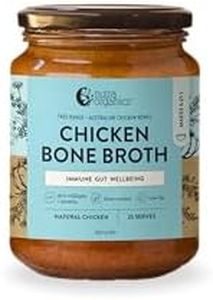
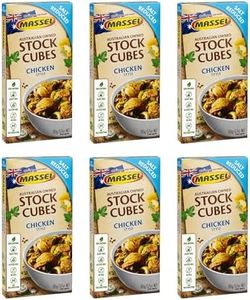
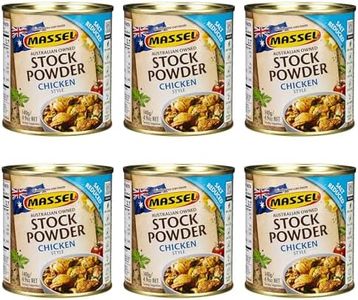
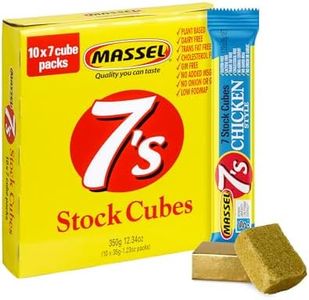
Buying Guide for the Best Low Salt Chicken Broths
Choosing the right low-salt chicken broth can greatly impact the flavor and healthiness of your dishes. Low-salt or reduced sodium options are popular for those aiming to control salt intake, while still enjoying the rich taste that chicken broth provides. When shopping, look beyond just the 'low-salt' label and evaluate a few key qualities to find a broth that suits your cooking needs and personal preferences.Sodium ContentSodium content refers to the amount of salt present per serving in the broth. It's listed in milligrams (mg) and is particularly important for people watching their salt intake for health reasons. Broths on the market vary widely: regular options are high in sodium (700mg or more per cup), low-sodium products generally offer around 100-500mg, and some no-salt-added broths have less than 100mg. If you’re limiting salt for health, choose broths on the lower end. If you want some salt for taste but not too much, a moderate value can be good, remembering you'll likely add more seasoning during cooking.
Flavor BaseThe flavor base describes what gives the broth its taste—some use real chicken and vegetables, while others rely on added flavors or extracts. Broths made from actual chicken and veggies tend to have a richer, more natural taste. If you want the most authentic flavor, look for options that list chicken and vegetables as primary ingredients. If you just need broth for adding a hint of chicken flavor to dishes, options with added flavorings may suffice.
Ingredients QualityIngredients quality refers to whether the broth uses natural ingredients, has added preservatives, or includes artificial flavors. Higher-quality broths use simple, recognizable ingredients and avoid things like MSG, artificial colors, or chemical preservatives. If you prefer cleaner eating and fewer additives, carefully read the ingredient list and select broths with the most natural profiles.
Texture and ClarityTexture and clarity relate to how the broth looks and feels. Some broths are clear and light, while others may be more cloudy or thicker. Clear, thinner broths are good for light soups and recipes where you want a subtle background flavor. Thicker or cloudier broths with more body are better for hearty stews and gravies. Consider what dishes you typically prepare to choose the broth with the texture and clarity that best matches your recipes.
Packaging and Shelf LifePackaging and shelf life affect how you store and use the broth. Broths are available in cans, cartons, and sometimes concentrated forms. Cartons are easier to reseal and store in the refrigerator after opening, while cans are single-use but often keep longer unopened. If you cook in small batches, cartons may be more convenient. Consider shelf life if you don’t use broth often—choose packaging that matches how frequently you cook.