10 Best Manual Garden Edger
From leading brands and best sellers available on the web.By clicking on a link to a third party's website, log data is shared with that third party.
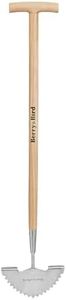
Related Products

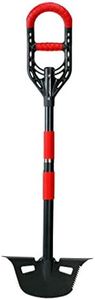
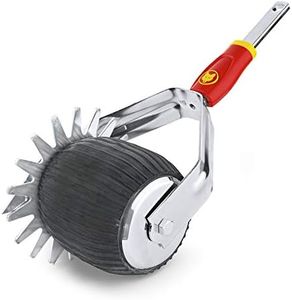
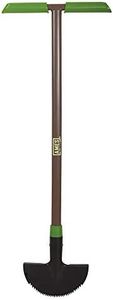
Recommended lists
Top rated
Manual Garden Tillers
Buying Guide for the Best Manual Garden Edger
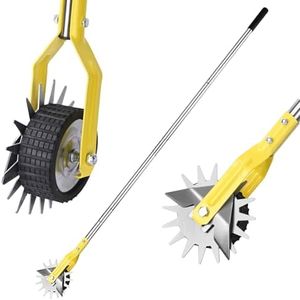
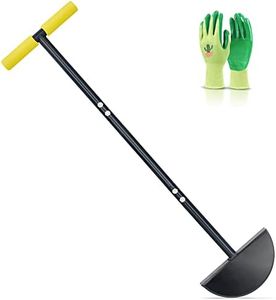
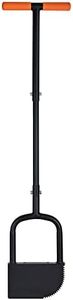
Choosing the right manual garden edger is all about understanding the nature of your lawn or garden, how much physical effort you’re willing to put in, and the types of edges you want to maintain. Manual edgers come in a variety of forms, and the best fit for you depends on the size and complexity of the borders you want to keep neat. The goal is to find a tool that is comfortable to use, effective for your soil and edge types, and durable enough to last for years.Type of Edger HeadThe head of a manual garden edger is what actually makes contact with the soil and defines the edge. The two main types are the half-moon blade and the rotary wheel (disk) edger. Half-moon blades are like a flat, semi-circular spade and are good for precise, straight lines, making them perfect for traditional garden borders. Rotary edgers have a spiked wheel on a handle meant to roll along the edge, best for following long, curved paths or driveways. When picking, think about whether your garden borders are mostly straight or curved—the right head design will make your task easier and more consistent.
Blade Material and SharpnessThe blade material is important for durability and the ease with which it cuts through soil or turf. Most are made from steel, but the thickness and whether it’s stainless matters. Thicker, hardened steel lasts longer and stays sharper but can be heavier; thinner blades are easier to handle but may dull quicker. If you have tough or rocky soil, look for a durable, sharp blade to reduce your effort. For softer soils or light use, a lighter blade may suffice. Always consider how much maintenance you want to do, since sharper blades need more frequent attention but cut cleaner.
Handle Length and ComfortThe length and comfort of the handle will dictate how easy and comfortable the edger is to use, especially over larger areas. Longer handles offer better leverage and mean less bending, making them better for taller users or for those who want to minimize strain on their back. Shorter handles can offer more control, useful for precision edging in tight spaces. Handle material also matters—wood, steel, and fiberglass are common. Padded or ergonomic grips can make a big difference if you’ll be at the task for a while. Consider your height, physical comfort, and how much area you need to edge when deciding on handle length.
WeightThe weight of the edger affects both control and fatigue. Heavier models can provide more cutting power by their own heft, which is helpful against tough grass roots or packed soil, but they may tire you out faster. Lightweight edgers are easier to maneuver and carry, especially over long sessions, but may require you to use more force. If you only edge small gardens or want less physical effort, go for lighter models; if you have more demanding soil or bigger jobs, a bit of extra weight might be helpful.
Edging DepthHow deep the edger can cut is crucial for creating defined, lasting borders. Some edgers allow for variable depth, while others are fixed. Shallow cuts are fine for keeping a neat look if you edge often, but for a dramatic separation between lawn and bed (or to minimize how often you need to edge), a model that can go deeper is beneficial. Consider how dramatic you want your borders and how often you plan on edging to determine what depth is right for you.