10 Best Marine Binoculars With Image Stabilization
From leading brands and best sellers available on the web.By clicking on a link to a third party's website, log data is shared with that third party.
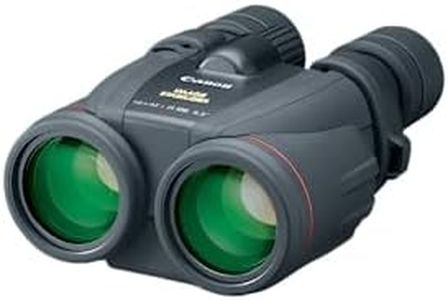
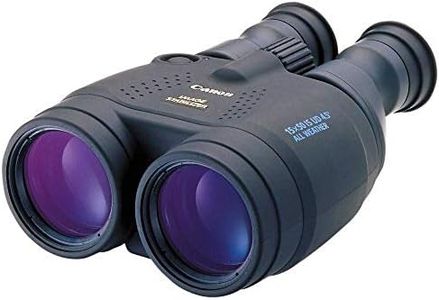
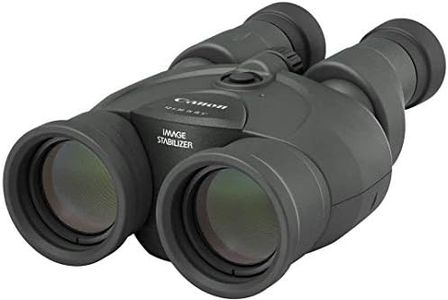
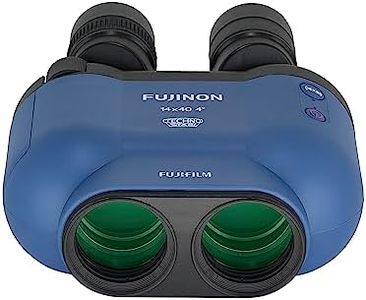

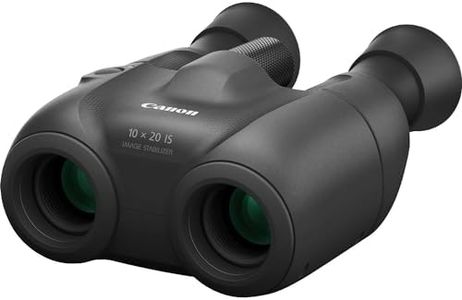
Buying Guide for the Best Marine Binoculars With Image Stabilization
Choosing marine binoculars with image stabilization is all about finding a pair that will help you see clearly and comfortably, even when you're on a moving boat. The marine environment can make steady viewing difficult because of constant motion, glare, and water reflections. Image-stabilized binoculars are specially designed to reduce image shake, making distant objects easier to spot and track. To choose the best pair for your needs, consider features that improve both the image clarity and your overall experience on the water.Magnification PowerMagnification power describes how much closer or larger objects will appear compared to the naked eye. This is often shown as the first number in binocular specs (for example, 7x or 10x). In marine settings, a common magnification is 7x because it offers a good balance between bringing distant objects close and keeping the image stable, especially with the movement of a boat. Higher magnification like 10x or 12x can provide more detail, but also tend to amplify any motion, making them harder to use unless you're on very calm water or rely heavily on image stabilization. Choose a power that matches your conditions— steadier, lower powers for rough seas, slightly higher if you’ll mostly be on calm water and need extra reach.
Objective Lens DiameterThe objective lens diameter is the size of the front lenses, marked in millimeters (for example, 50mm). Larger lenses let in more light, producing brighter images, especially important in low-light conditions like dawn, dusk, or overcast days at sea. However, bigger lenses make binoculars heavier and bulkier. For marine use, a 50mm lens is the typical standard, balancing brightness and portability. If you need binoculars mostly for daylight use and want something lighter, a slightly smaller objective could suffice. If you're often on the water at night or in low light, prioritize a larger objective lens.
Image Stabilization TechnologyImage stabilization is the system inside the binoculars that counteracts movement to keep your view steady. This technology is especially important in a marine environment, where the natural motion of the boat constantly shakes your hands and your view. Not all image stabilizing systems work the same way: some detect movement and electronically adjust the optics, while others use mechanical methods. The quality of stabilization can vary; for rough conditions, look for a more robust and responsive system. If your boat time is smooth and calm, less elaborate stabilization may work. Think about how often you'll be on choppy water and how much assistance you want with a steady image.
Waterproofing and Fog ResistanceOn the water, exposure to splashes, rain, and changing temperatures is common. Waterproofing ensures internal parts stay dry, while fog resistance prevents the lens from fogging up when moving between different temperatures. Binoculars usually feature waterproof ratings like 'O-ring sealed' or 'nitrogen purged.' For marine use, this is essential so your binoculars can survive being dropped in the water or sprayed with saltwater. Pick a model that clearly states it is fully waterproof and fog-proof, especially if you'll be using your binoculars frequently in wet or humid conditions.
Field of ViewField of view indicates how wide an area you can see through the binoculars, usually measured in feet at 1,000 yards or meters at 1,000 meters. A wider field of view helps you spot moving objects more quickly and track them with ease, which is useful for navigation, watching wildlife, or scanning for other boats. However, higher magnification often means a narrower field. Balance your need for detail (higher magnification) with your need to see a broad area at once (wider field), depending on your primary use.
Size and WeightThe size and weight of marine binoculars affect how comfortable they are to carry and use, especially for longer periods or if you're holding them with one hand while navigating. Larger stabilization systems and bigger lenses usually mean heavier binoculars. If you need binoculars for quick spotting and easy handling, a compact and lighter pair may be best. If you value maximum image quality and don't mind the extra bulk, a heavier model with a larger lens and sturdier build can be worthwhile.
Eye ReliefEye relief is the distance between your eye and the eyepiece where you still see the full image. This matters especially if you wear glasses; longer eye relief (often 15mm or more) ensures you won't lose part of the view. If you use glasses while looking through binoculars, choose a pair with generous eye relief for comfortable, full-field viewing.