We Use CookiesWe use cookies to enhance the security, performance,
functionality and for analytical and promotional activities. By continuing to browse this site you
are agreeing to our privacy policy
10 Best Marine Inverter
From leading brands and best sellers available on the web.By clicking on a link to a third party's website, log data is shared with that third party.
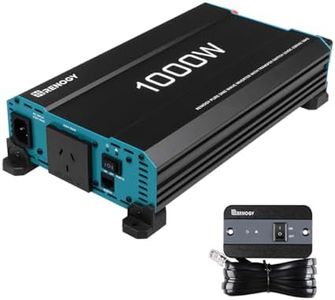
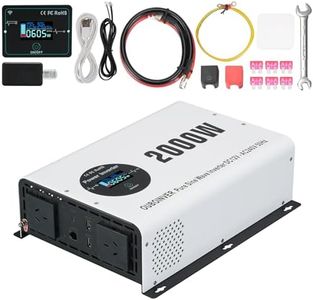

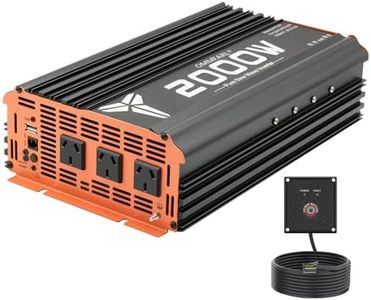
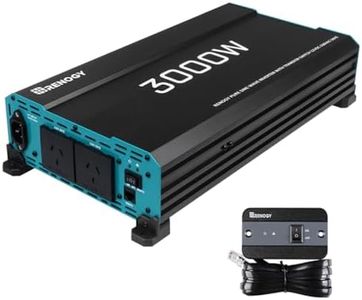
Related Products
Up to 13% off
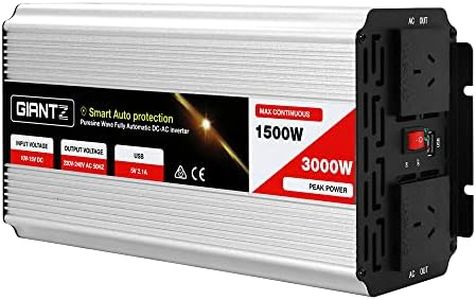
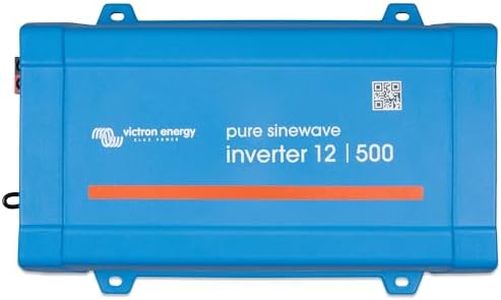
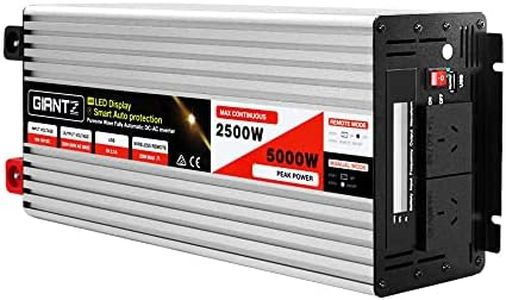
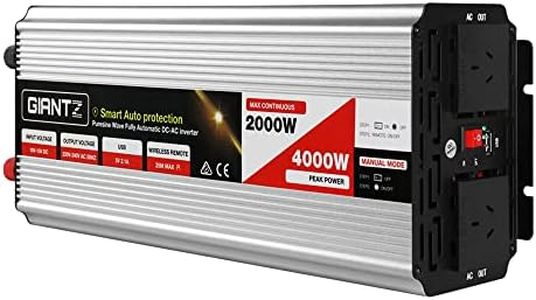

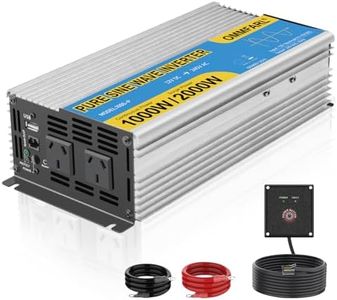
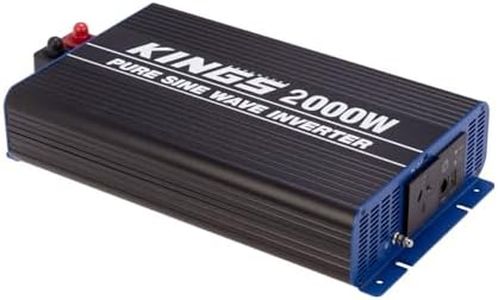
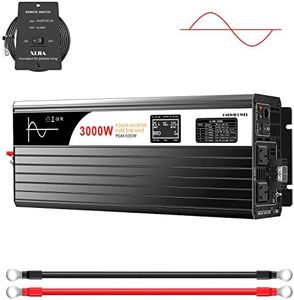
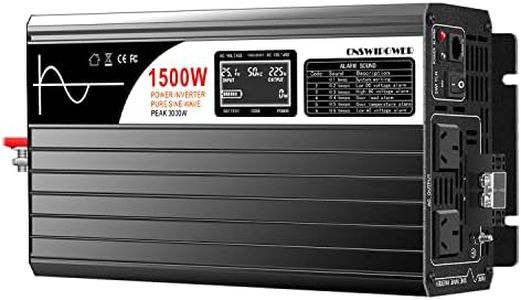
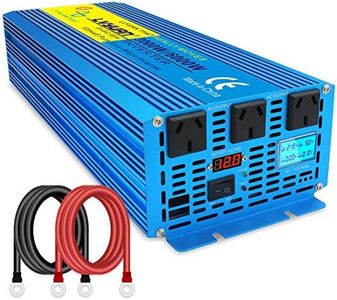
Buying Guide for the Best Marine Inverter
Choosing the right marine inverter is essential for safely and efficiently converting your boat’s battery power (DC) into standard household electricity (AC), so you can use everyday appliances while out on the water. It's important to consider your power needs, the types of devices you want to run, safety features, and the environment in which you'll be using the inverter. Each boat and owner has different requirements, so taking a closer look at key specifications will help you confidently select the ideal inverter for your marine adventures.Power Output (Wattage)Power output refers to the maximum amount of electrical power the inverter can supply, measured in watts. This is crucial because it determines how many and what kind of devices you can run at once. Marine inverters come in a range of power outputs: small units (under 500 watts) are ideal for charging phones and laptops, mid-range models (500-2000 watts) can handle kitchen appliances or power tools, and high-output units (2000+ watts) are suitable for running multiple or heavy-duty devices like air conditioners. To pick the right wattage, think about what devices you’ll power together, add up their wattage requirements, and choose an inverter that covers this, with a bit of extra capacity for safety.
Waveform TypeThe waveform type describes how closely the AC output from the inverter matches the electricity from your home outlets. There are two main types: modified sine wave and pure sine wave. Modified sine wave inverters are less expensive and work fine for simple electronics but can cause issues (like noise or overheating) with sensitive devices and appliances. Pure sine wave inverters produce smoother, cleaner power that matches home electricity, ideal for running delicate or high-performance equipment like TVs, laptops, and medical devices. Select the waveform based on the sensitivity and type of your onboard devices; pure sine wave is the safer choice for most modern electronics.
Input VoltageInput voltage specifies the DC voltage the inverter uses from your boat’s battery system, typically 12V, 24V, or 48V. It’s important because using an inverter that matches your battery voltage ensures efficient and safe operation. Most small and mid-sized boats use 12V systems, while larger boats may use 24V or 48V for greater efficiency and reduced wiring losses. Always pick an inverter that matches your boat’s main battery voltage; mismatched voltages can cause the inverter not to work or even damage your electrical system.
Continuous vs. Peak PowerContinuous power is the amount of wattage the inverter can provide for extended periods, while peak (or surge) power is the higher wattage it can briefly supply to start devices with high initial demands, like refrigerators or power tools. The difference is important because many appliances need extra power at startup. When choosing, check the continuous power rating for your typical needs and ensure the peak rating covers the highest starting wattage of any equipment you plan to run.
Safety FeaturesMarine environments can be harsh, so safety features are vital. Look for inverters with protections like overload, overheat, short circuit, and low/high voltage shutoff. These features prevent damage to both your inverter and your boat’s electrical system, while also protecting you from potential hazards. The right set of safety features depends on your usage and the conditions you’ll face; for peace of mind, opt for inverters with comprehensive built-in protections.
Cooling and DurabilityInverters generate heat, especially under heavy loads, so effective cooling—either through fans or heatsinks—is crucial to prevent overheating. In addition, marine inverters should be built to withstand humidity, salt air, vibration, and temperature changes. Some are marinized with protective coatings or are sealed against moisture. If you’ll use your inverter in demanding conditions or plan to mount it in an engine compartment, prioritize models designed for marine use with strong cooling and protective features.