10 Best Medicated Dog Shampoos
From leading brands and best sellers available on the web.By clicking on a link to a third party's website, log data is shared with that third party.


Related Products
Up to 20% off

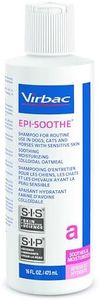
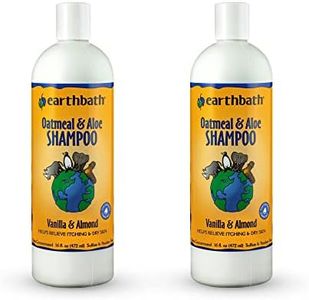
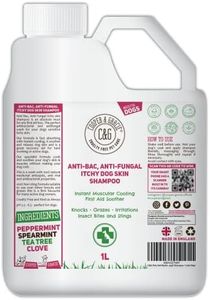
Buying Guide for the Best Medicated Dog Shampoos
Choosing the right medicated dog shampoo is all about matching a product to your dog's particular skin and coat needs. Medicated shampoos are designed to address issues such as itching, flaking, infections, allergies, or mites. It's important to understand your dog's symptoms and, ideally, consult a veterinarian before making a final decision, so you know you're targeting the right condition. Remember, not every dog needs medicated shampoo—these are special solutions aimed at specific problems, and using the wrong one can sometimes create more issues.Active IngredientsActive ingredients are the medicinal compounds in the shampoo that directly address specific skin or coat issues. They're key for determining what the shampoo is designed to treat, such as anti-fungal properties (for yeast), antiseptic properties (for infections), or soothing agents (for irritation). When choosing, compare the listed active ingredients and look for ones suggested for your dog's particular problem. If your dog has itchy skin, ingredients like oatmeal or hydrocortisone can help; for fungal infections, miconazole or ketoconazole may be effective. Always cross-check these with any advice from your vet.
Targeted ConditionThe targeted condition refers to the specific issue the shampoo is formulated to treat, such as mange, dermatitis, bacterial or fungal infections, or allergies. It's important because using a shampoo aimed at the wrong problem won't help your dog and could even cause harm. Most medicated shampoos clearly state what skin problems they address. Start by identifying your dog's symptoms (such as redness, flakes, excessive scratching, or sores) and select a shampoo designed for these challenges. If you're unsure what condition your dog has, consult a vet.
Skin SensitivitySkin sensitivity refers to how reactive your dog's skin is to potential irritants. Some medicated shampoos are quite strong and, while effective for serious problems, might be too harsh for dogs with delicate or allergy-prone skin. Products are often labeled as 'gentle,' 'hypoallergenic,' or 'for sensitive skin.' If your dog tends to get rashes or discomfort with new grooming products, lean toward these gentler options. Dogs with healthy, robust skin can typically tolerate stronger formulas, especially when treating infections under veterinary direction.
Fragrance and AdditivesFragrance and additives are extra compounds added to shampoos for smells or additional properties like conditioning or moisturizing. While a pleasant smell may be appealing to owners, dogs' skin can be sensitive to artificial additives, which might cause irritation or allergic reactions. When using medicated shampoos, it's safest to choose unscented or naturally scented options, especially for dogs with known sensitivities. If your dog has never reacted to scented shampoos, this is less important, but for those with allergy history, go with simple formulas.
Lather and Rinse-abilityLather and rinse-ability describes how easily the shampoo foams up and how thoroughly it can be rinsed out. Shampoos that rinse out easily help prevent residue buildup, which can irritate the skin or interfere with the medication's effect. If your dog has a thick coat, or if you're bathing pets at home, easier rinse-out is especially helpful so you can ensure all of the shampoo is removed. Dogs with thin or short coats are less affected by this, but it's always good practice to choose a shampoo you can rinse out completely in one go.
pH BalancepH balance measures how acidic or alkaline the shampoo is, and this matters because dogs' skin is more alkaline than humans. A shampoo formulated for dogs will have a pH close to neutrality or slightly acidic, which helps protect the skin's natural barrier. Using a human shampoo or one with a mismatched pH risks drying out or irritating your dog's skin. Always look for products that state they're balanced for dogs to ensure you're helping, not harming, your pet’s skin.