10 Best Men's Hiking Pants
From leading brands and best sellers available on the web.By clicking on a link to a third party's website, log data is shared with that third party.
Related Products
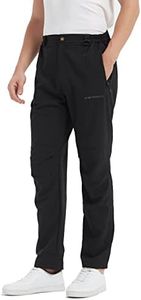
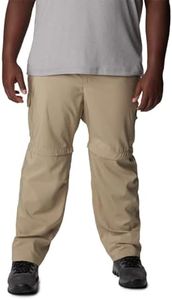

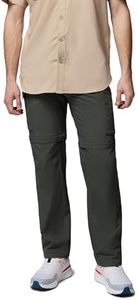
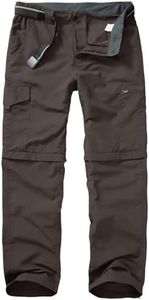
Buying Guide for the Best Men's Hiking Pants
When shopping for men's hiking pants, your primary goal is to find a pair that keeps you comfortable, protected, and mobile during outdoor activities. Choosing the right pair is about understanding the unique conditions you'll face: weather, terrain, and personal comfort needs. Pay attention to the environment where you'll use them most often, the fit that works best for your body, and the types of hikes you enjoy. Rather than looking for the 'best' pants universally, focus on which features and materials match your own hiking habits and environments.MaterialThe material of hiking pants affects comfort, durability, breathability, and quick-drying abilities. Most hiking pants are made of synthetic blends (like nylon or polyester) for their lightweight and moisture-wicking properties, with some offering a bit of spandex for stretch. If you hike in hot climates, lighter, more breathable fabrics are useful. For cooler or rougher environments, look for thicker or reinforced fabrics. Your needs determine the choice: prioritize breathability for hot hikes, durability for rough trails, or stretch for activities that require lots of movement.
Fit and CutFit refers to how pants sit on your body and how much room you have to move. Hiking pants come in a range of fits, from slim to relaxed. A trimmer fit will feel less baggy and might reduce snagging on brush but can restrict movement. Relaxed fits offer more room, making them better for layering or greater freedom of movement. Consider your comfort preferences and typical hiking style—a closer fit for faster movement, or a roomier cut for multi-day, more relaxed treks.
Weather ResistanceThis spec covers how well pants handle wind, rain, and sun. Some pants have water-resistant coatings that help in light rain or morning dew but aren’t fully waterproof. Others offer UV protection or wind-blocking properties. If you hike often in unpredictable or harsh weather, choose pants with better weather protection. For fair-weather outings, breathability might matter more than heavy weather resistance.
Pockets and FeaturesPockets add utility, letting you carry small essentials like maps, snacks, or phones. Some pants have zippered or cargo pockets for extra security and space. Extra features might include roll-up legs, built-in belts, or reinforced knees/seats. Choose the number and type of pockets based on how much you like to keep on you versus in your backpack, and consider feature needs depending on trip length or gear requirements.
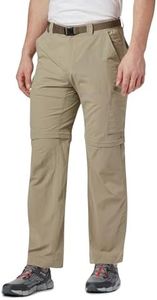
Convertible or Roll-Up DesignSome hiking pants convert to shorts by unzipping at the knees, and others have roll-up tabs to secure shortened legs. Convertible pants are versatile for changing weather—useful if you'll hike through both chilly mornings and hot afternoons. However, zippers may add weight or cause discomfort for some. Decide if you want all-in-one pants or prefer the feel and look of traditional, single-style pants based on your typical hikes.
Breathability and Quick DryingBreathability refers to how well the fabric allows heat and moisture to escape, keeping you comfortable during activity. Quick-drying materials are essential for rainy conditions, river crossings, or heavy sweating. Look for technical fabrics specifically labeled as breathable or moisture-wicking if you'll be active in warm or humid climates. Pick based on how sweaty or wet your hikes tend to get—high breathability and drying speed matter most for intense or rain-prone hikes.