10 Best Mens Inline Skates
From leading brands and best sellers available on the web.By clicking on a link to a third party's website, log data is shared with that third party.
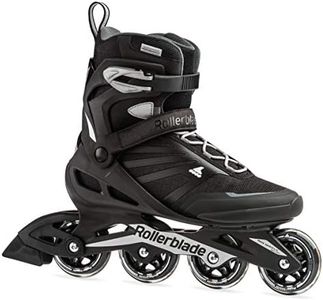
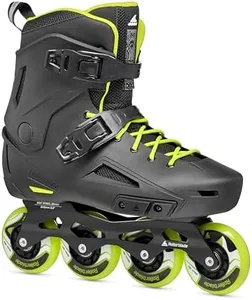
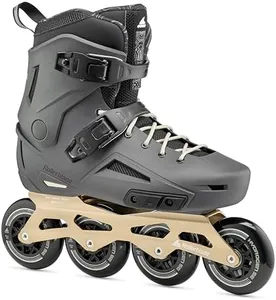
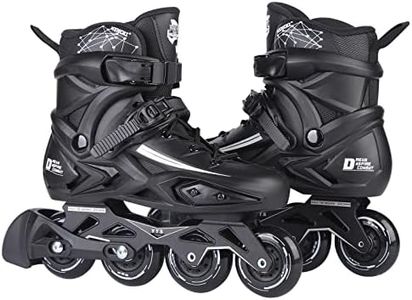
Related Products
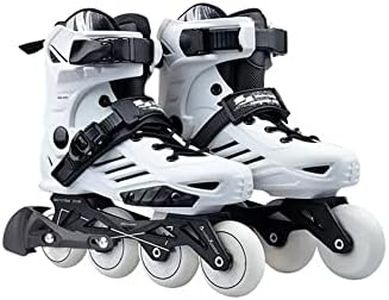
Buying Guide for the Best Mens Inline Skates
Choosing the right men's inline skates is about balancing comfort, performance, and what you actually want to do with them. Whether you're planning leisurely rides in the park, commuting, fitness training, or trying your hand at tricks, finding a pair that fits your feet well and suits your skating goals will make the experience enjoyable and safe. Knowing the key specs and how they affect your ride helps you make a choice you'll be happy with in the long run.Boot Fit and SupportThe fit and support of the boot is crucial because it affects comfort, ankle stability, and how secure you feel when skating. Boots range from soft to hard shells. Softer boots offer more comfort and breathability, suitable for casual and fitness skaters. Harder boots provide more support and are better for aggressive or speed skating. Try on various types, paying attention to how snugly the skate hugs your heel and ankle, and choose the something that feels secure but not restrictive, keeping in mind your intended use and how long you'll be wearing them.
Wheel SizeWheel size impacts speed, maneuverability, and ride smoothness. Small wheels (approx. 72-80mm) are better for beginners or those focusing on short distances and control, like in urban settings. Medium wheels (80-90mm) work well for fitness skating and a balance of speed and agility. Large wheels (90mm and above) offer higher speeds and smoother rides, which are great for longer distances but reduce maneuverability. Your decision should be based on your skill level and whether you prioritize speed or handling.
Wheel Hardness (Durometer)Wheel hardness affects grip and how the skates feel underfoot. Softer wheels (usually rated around 78A-82A) provide more grip and a smoother ride, ideal for rough surfaces or outdoor use but wear out faster. Harder wheels (over 84A) roll faster and last longer, good for indoor use or experienced skaters who want more speed. Think about the surfaces you’ll primarily skate on and match the hardness accordingly.
Bearing RatingBearings determine how smoothly and quickly your wheels spin. Bearings are commonly rated using the ABEC scale (like ABEC-5, ABEC-7), where a higher rating suggests more precision and potentially a smoother ride, though in practice, all ABEC-rated bearings can perform well enough for recreational users. Don’t obsess over the highest number; instead, just make sure they spin freely and smoothly. For everyday use, mid-range bearings are usually sufficient.
Frame MaterialFrames are the part connecting the boot to the wheels, and the material impacts durability and performance. Plastic frames are lighter and cheaper, suitable for beginners or light recreational use. Aluminum or metal frames are sturdier, better for fitness or advanced users, and provide better power transfer for speed. Pick a frame that matches your skating goals: beginners and occasional skaters may prefer plastic, while frequent or speed-focused skaters may appreciate the added stability of aluminum.
Closure SystemThe closure system keeps your foot secure and helps with fit. Options include traditional laces (adjustable and customizable fitting), buckles (quick and very secure), or BOA dials (easy, fine-tuned adjustments). Some skates use combinations of these. Laces give a more customized fit, while buckles or dials are fast and convenient. Choose a closure system that you find easy to use and that gives you the level of security and adjustability you need.
Brake TypeMost inline skates for beginners and fitness use have a heel brake, which makes stopping easier. Some aggressive, speed, or hockey skates come without brakes as experienced skaters use alternate stopping techniques. If you’re new to skating or want more safety, choose a skate with a removable brake. Consider your confidence and experience before opting for a no-brake model.