10 Best Mens Pickleball Shoes
From leading brands and best sellers available on the web.By clicking on a link to a third party's website, log data is shared with that third party.


Related Products
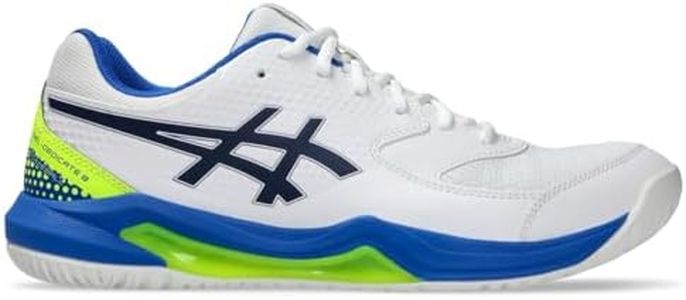
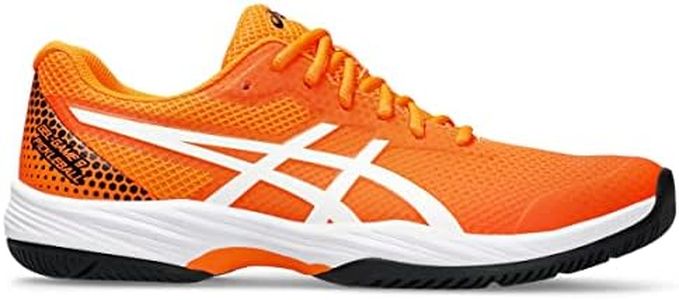
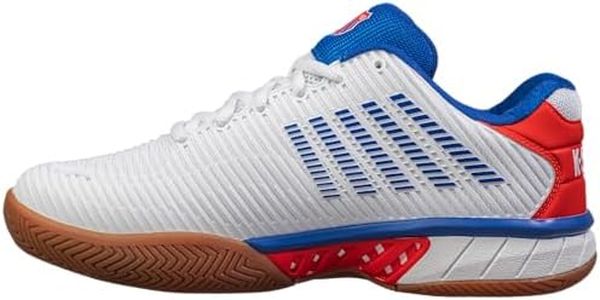
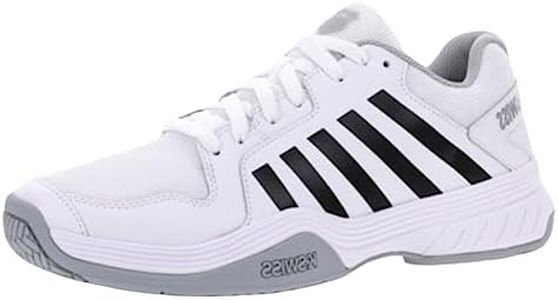
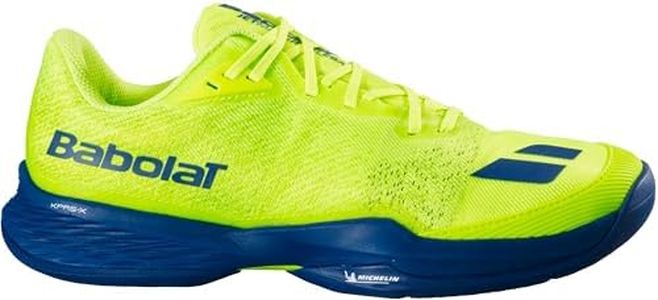
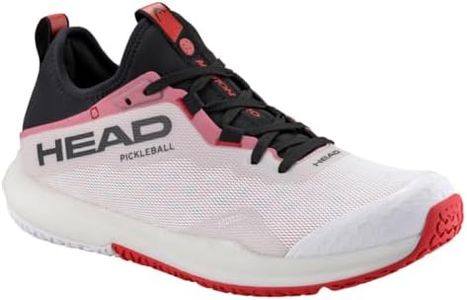
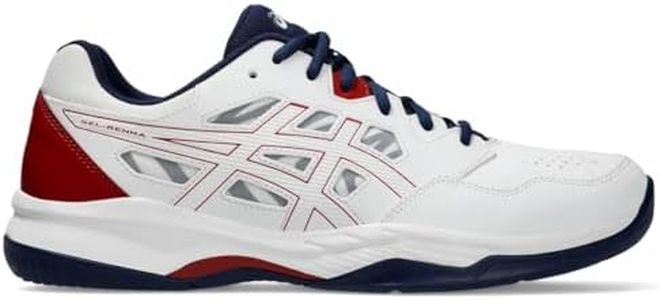
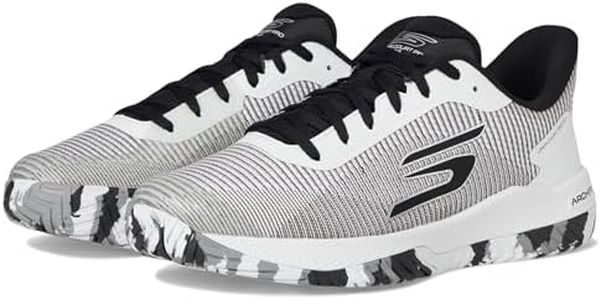

Buying Guide for the Best Mens Pickleball Shoes
Choosing the right men's pickleball shoes can make a big difference in your comfort, performance, and injury prevention on the court. Pickleball involves quick lateral movements, sudden stops, and short sprints, so your shoes should support these actions while keeping your feet comfortable. It's important to focus on fit, grip, durability, and support, as the wrong pair could lead to slips, injury, or discomfort during play. Thinking about where you play (indoors or outdoors), your playing frequency, and your personal preferences in support and cushioning will help guide you to the best shoe.Outsole Grip (Traction)The outsole is the bottom part of the shoe that makes contact with the court, and its grip—or traction—is what keeps you stable during lateral movements and stops. Proper traction is crucial in pickleball to avoid slipping, especially since courts can sometimes be dusty or slick. Shoes designed for indoor courts often have a softer, non-marking sole with a smoother tread, while outdoor shoes have harder, more rugged patterns for better grip on rough surfaces. If you mostly play indoors, choose shoes with non-marking soles; for outdoor play, look for shoes with deep, durable treads. Your playing environment and how aggressive your movements are should guide your choice here.
CushioningCushioning refers to the padding built into the midsole of the shoe, which absorbs impact and keeps your feet comfortable during games. It's important because pickleball involves lots of quick stops and pivots, which put stress on your joints. Some shoes have lots of cushioning, which can be good for players who want a softer feel or who play for long periods, while others have minimal cushioning for a more connected feel to the court. If you have joint issues or value extra comfort, pick more cushioned shoes; if you prefer feeling the court for enhanced responsiveness, choose less cushioning.
Stability and SupportStability and support come from how the shoe is constructed, especially around the sides, heel, and arch. Good support helps keep your foot secure during side-to-side motions, reducing the risk of rolling your ankle or straining muscles. Shoes with reinforced sides and firm heels offer more stability. Players who make aggressive, sudden lateral moves should look for shoes with strong lateral support, while those with past ankle injuries may want extra support around the heel and ankle collar. Lighter support may be sufficient for casual or recreational players.
Fit and ComfortFit and comfort are about how well the shoe adapts to the unique shape of your foot and how it feels during play. Shoes that are too tight can cause blisters and discomfort, while shoes that are too loose may lead to sliding and instability. Width, length, and overall shape vary from one brand and model to another. When selecting, make sure there is about a thumb's width between your toe and the end of the shoe and that your foot feels snug but not squeezed. Consider any unique needs, such as wide or narrow feet.
DurabilityDurability refers to how well the shoes stand up to wear and tear over time. Pickleball can be tough on shoes because of the frequent movement and pivoting. Durable shoes use stronger materials in the sole and upper to withstand abrasion and repeated use. If you play many times a week or mostly on rough outdoor surfaces, prioritize more durable shoes; for occasional indoor play, durability may be less crucial.
BreathabilityBreathability is about how well the shoe lets air flow, keeping your feet cool and dry as you move. Shoes made with mesh or perforated panels allow sweat and heat to escape, which reduces the risk of blisters and discomfort. If you play in hot conditions or tend to have sweaty feet, look for shoes with higher breathability. For cooler or indoor environments, this may be a bit less important.