We Use CookiesWe use cookies to enhance the security, performance,
functionality and for analytical and promotional activities. By continuing to browse this site you
are agreeing to our privacy policy
10 Best Metal Detector
From leading brands and best sellers available on the web.By clicking on a link to a third party's website, log data is shared with that third party.
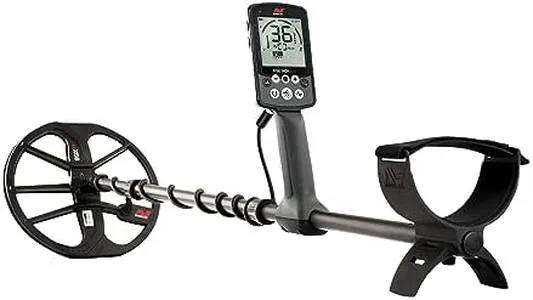
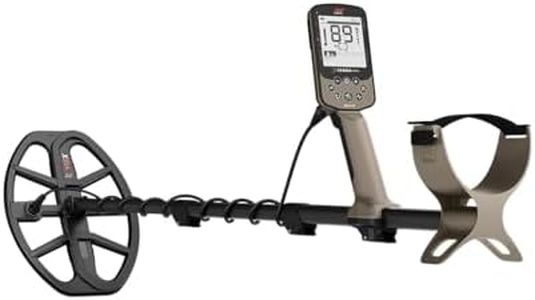
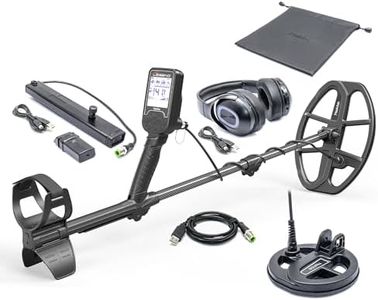
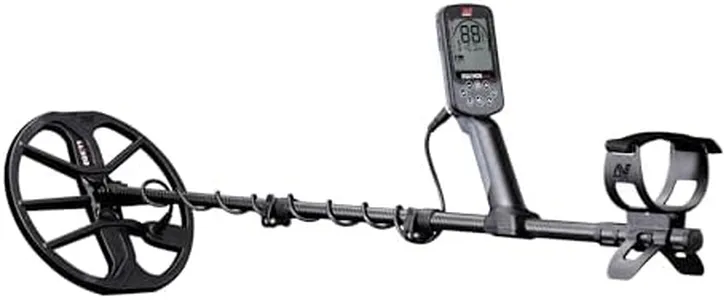
Related Products


Buying Guide for the Best Metal Detector
Choosing a metal detector can be a fun and exciting process, especially if you’re looking to start a new hobby like treasure hunting, beachcombing, or looking for lost items in your garden. The best approach is to match your metal detector’s features to the kinds of treasures you want to find and the places you plan to search. Learning about the main specifications will help you find a metal detector that feels right for your goals, is comfortable to use, and gives you the most enjoyment and discovery.Detection DepthDetection depth refers to how deep a metal detector can sense objects below the ground's surface. This specification matters because it determines what kinds of treasures you can find — small coins may be closer to the surface, while larger relics or caches could be deeper. Generally, lighter and smaller objects are detected at shallower depths, often up to 6-8 inches, whereas larger items may be found up to 2 feet down, depending on soil and other conditions. If you’re focused on surface-level finds like coins or jewelry on the beach, a modest detection depth is enough. For deeper hunting of relics or treasure, choose a detector with greater depth capability, but remember that very deep searching may require more advanced equipment and experience.
DiscriminationDiscrimination is a feature that helps the detector tell the difference between various metals, like distinguishing a bottle cap from a coin. This is important because it saves you time and effort by reducing the number of ‘junk’ targets you have to dig up. Discrimination can range from basic, sorting items into broad types (like iron vs. non-iron), to advanced, letting you fine-tune which metals you want to detect or ignore. If you want to find only certain items, like coins or gold jewelry, higher discrimination means you’ll dig up less trash. For general purpose and beginners, a basic discrimination feature works well and makes the hobby less frustrating.
Ground BalanceGround balance relates to how the detector cancels out false signals caused by minerals in the soil, such as salt or iron-rich dirt. Without proper ground balancing, the detector might beep at minerals instead of real metal objects. Some detectors have automatic ground balancing, which is easy to use, while others let you adjust it manually for better precision in tough soils. If you'll be searching in challenging areas like beaches or gold fields, good ground balance is very helpful. For parks or your backyard, a simple automatic system is usually enough.
FrequencyFrequency is the number of electronic pulses the detector sends into the ground every second, usually measured in kilohertz (kHz). Lower frequencies (about 3–8 kHz) are better for deeper, larger objects and general coin hunting, while higher frequencies (15 kHz and up) are better for smaller, more challenging targets like gold nuggets or small jewelry. Some detectors allow you to select or combine frequencies, which is great for users who want flexibility. Your choice depends on what you mostly want to find: coins and relics are best found at low or mid-frequency, while gold or fine jewelry respond better at higher frequencies.
Coil Size and TypeThe coil is the round part at the end of the detector that you sweep over the ground. Coil size affects both the area you can search with each sweep and the depth you can reach — larger coils cover more ground and can go deeper, but they’re heavier and less precise in tight spots. Smaller coils are lighter, easier to maneuver, and good for picking out items in trashy or cluttered areas, but won’t go as deep. There are also coil types: concentric coils are common and good for general use, while double-D coils handle tough soils better. Match your coil choice to whether you need to cover big open areas or want to search in parks with lots of metal debris.
Weight and ErgonomicsThe weight and overall design of a metal detector affects how comfortable it is to use, especially if you’ll be sweeping for long periods. Lighter models are easier for children or those who don't want to get tired quickly, while heavier models may include more features but can cause fatigue. Adjustable shafts and padded handles also make a detector more user-friendly. If you expect to spend hours looking for treasure, comfort is just as important as detecting ability, so try to choose one that suits your body size and feels comfortable in your hands.
Water ResistanceWater resistance tells you whether the metal detector, especially its coil and control box, can be used in wet conditions or underwater. Some detectors have waterproof coils but non-waterproof controls, so they can handle wet grass or shallow water only. Others are fully waterproof and can be taken underwater for beach or river treasure hunting. If you plan on searching near water or in the rain, a waterproof or water-resistant model is important. For dry land hunting, this feature is less critical.