10 Best Mini Air Conditioner
From leading brands and best sellers available on the web.By clicking on a link to a third party's website, log data is shared with that third party.

Related Products



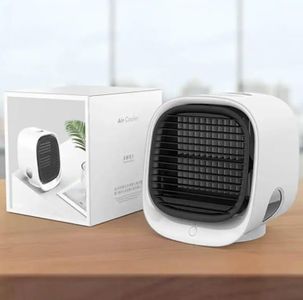
Buying Guide for the Best Mini Air Conditioner
Choosing a mini air conditioner can feel tricky, but if you focus on how you plan to use it, your space size, and which features matter to you, you’ll end up with a much better fit. Start by considering where you’ll use it (bedroom, office, car, etc.), how portable you need it to be, and what level of cooling you really want. By understanding the key specifications, you can confidently compare models and see which one matches your needs.Cooling Capacity (BTU or Coverage Area)Cooling capacity tells you how much space the mini air conditioner can effectively cool, usually measured in BTUs (British Thermal Units) or square feet/meters. It’s important because an underpowered unit won’t cool your space, while an overpowered one might waste energy. Small spaces like desktops or personal workspaces are fine with a lower BTU (often under 2,000 BTU or ‘up to 45 sq ft’). For slightly larger rooms or multiple people nearby, look for higher BTUs or the ability to cover more square footage. Use the size and insulation of your space as a guide—match the rated area to where you’ll use it most.
Power Source and ConsumptionMini air conditioners can run on electricity from a wall outlet, USB power, or sometimes batteries. The type of power source matters if you need true portability or plan to run it where outlets are limited, like on a picnic table or in a car. Energy consumption (measured in watts) is important if you want to save on electricity or use it with portable batteries. Choose USB or battery-powered models for mobility, or plug-in units for stronger and longer-lasting cooling. Match your typical use (office desk vs. travel vs. bedroom) to the power source.
Water Tank Size (for Evaporative Types)Many mini air conditioners use water to create a cooling effect (these are called evaporative or ‘swamp coolers’). The size of the water tank determines how long the unit can run before needing a refill. Smaller tanks mean lighter weight but more frequent refills (1-2 hours), while larger tanks can last several hours but make the unit bulkier. If you want a set-it-and-forget-it experience, aim for a bigger tank. If you’ll move the unit often, a smaller lighter model might work best.
Noise Level (Decibels)Noise level is measured in decibels (dB) and tells you how loud the mini air conditioner will be. This matters if you’ll use it in a quiet place like a bedroom or next to your computer. Lower decibel ratings (under 40 dB) are quieter and better for night use or work environments, while higher noise levels might not be suitable for sleeping. Choose based on your sensitivity to noise and where you’ll use the device.
Portability and SizeHow easy it is to move the mini air conditioner (its weight, handle, and dimensions) is important if you want to frequently change its location or even travel with it. Tiny, lightweight models are great for carrying to different rooms or for travel. Bulkier units may offer stronger cooling but are best for semi-permanent use in one spot. Think about whether you'll need to pack it, lift it often, or fit it in a particular space, and choose accordingly.
Additional FeaturesSome mini air conditioners include extras like built-in night lights, air purifiers, adjustable fan speeds, or remote controls. Features like a timer, filter, or humidifier function can make the unit more versatile for certain users. Decide which bells and whistles will genuinely improve your experience—if you just want simple cooling, you might not need these, but if you value multitasking devices or convenience, pay attention to these extras.