We Use CookiesWe use cookies to enhance the security, performance,
functionality and for analytical and promotional activities. By continuing to browse this site you
are agreeing to our privacy policy
10 Best Mini Air Conditioners
From leading brands and best sellers available on the web.By clicking on a link to a third party's website, log data is shared with that third party.
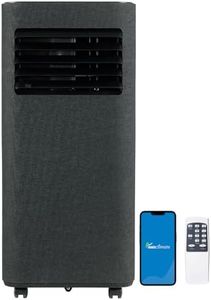
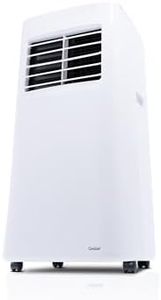

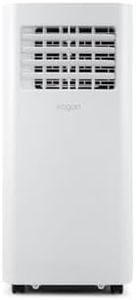
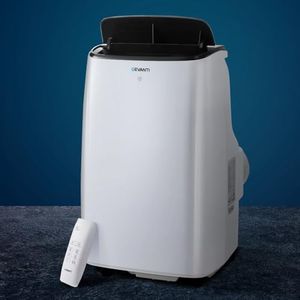
Related Products
Up to 6% off
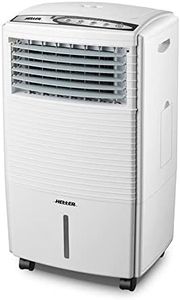

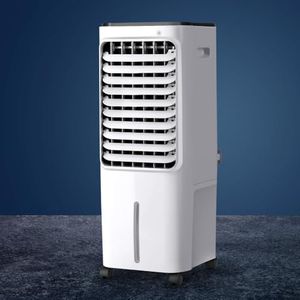
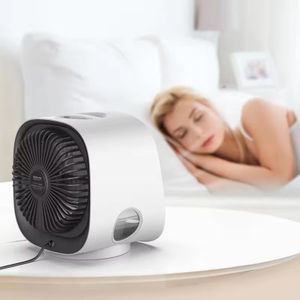

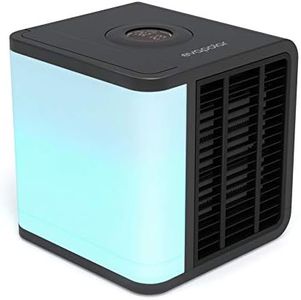
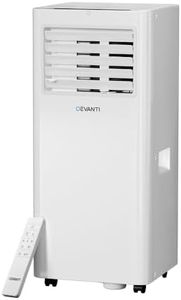
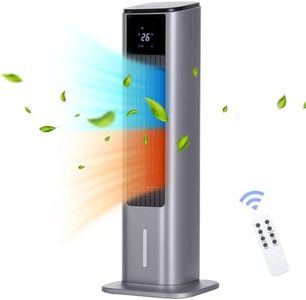

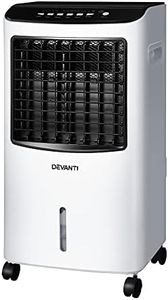
Buying Guide for the Best Mini Air Conditioners
Choosing a mini air conditioner involves understanding your space, cooling needs, and expectations for convenience. These compact cooling units are a great solution for small rooms, desks, or personal spaces where larger air conditioning is impractical. The best fit for you will depend on how much cooling power you need, how portable you want the unit to be, how much noise you can tolerate, and additional features that may improve your comfort. Knowing what each specification means will help you make a smarter choice and avoid disappointment.Cooling Capacity (BTU or Area Coverage)Cooling capacity measures how effectively a mini air conditioner can cool a space. It is often listed in BTUs (British Thermal Units) or as the maximum square footage it can cover. A higher BTU rating or larger coverage means the device can lower the temperature in a bigger space. Mini air conditioners usually serve areas ranging from a small desk to a small room. If you pick a unit with too low of a rating for your room, it may not cool efficiently; too high, and it's unnecessary. To choose the right one, match the device's coverage area to the size of the space where you intend to use it most.
Portability and SizePortability refers to how easy it is to move or reposition the air conditioner. Some mini air conditioners are very compact and lightweight, designed for desktop or bedside use, while others may be a bit larger with handles or wheels for easy movement between rooms. If you want to use the device in different places, a smaller, more portable unit is ideal. If the mini AC will have a fixed home, size is less critical, but make sure it fits comfortably in your space without blocking walkways or work areas.
Power SourceMini air conditioners can be powered in different ways: some plug into a wall outlet, others use USB power, and a few can even run on batteries. Wall-powered units tend to have stronger cooling performance, while USB or battery-powered versions offer maximum portability for use in places without easy access to outlets. Consider where and how you'll use your mini AC. If you move it around or use it outside, portable power options are important. For continuous indoor use, a plug-in model is usually sufficient.
Water Tank CapacityMany mini air conditioners are evaporative coolers, requiring water to cool the air. The water tank capacity determines how long the device can run before needing a refill. A larger tank means longer cooling periods without interruption, which is convenient for overnight or all-day use. Smaller tanks empty faster, but also keep the device lightweight and compact. If you want low-maintenance cooling, look for a bigger tank. If you value ultra-portability, a small tank may be a good trade-off.
Noise LevelNoise level indicates how loud the air conditioner will be during use, usually measured in decibels (dB). Lower noise levels make the unit better for bedrooms, offices, or quiet environments. Higher noise levels may not matter in noisy places or if you’re not bothered by sound. Manufacturers often list noise levels or describe their units as ‘quiet’ or ‘silent.’ If you plan to use the mini AC for sleeping or in a quiet setting, choose a lower-noise model; if not, this spec may be less important.
Additional FeaturesSome mini air conditioners come with extra features like timers, air purifiers, adjustable fan speeds, remote controls, or night lights. These can increase comfort, convenience, and usefulness. Think about which features matter to you: do you want to schedule the device to turn off or need a unit with air purification for allergies? Would a built-in night light be helpful? Choose the mini AC that matches your daily routine and preferences.