6 Best Mini Crib Mattresses
From leading brands and best sellers available on the web.By clicking on a link to a third party's website, log data is shared with that third party.

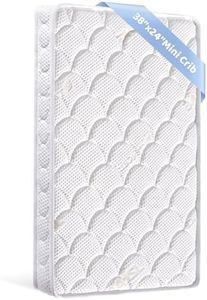
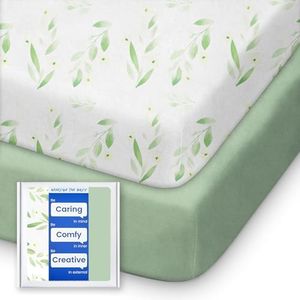
Buying Guide for the Best Mini Crib Mattresses
Picking the right mini-crib mattress is important for the comfort and safety of your baby. Since mini-cribs are smaller than standard cribs, their mattresses come in unique sizes and features. The main goal should be to select a mattress that fits snugly, supports your baby's needs, and aligns with safe sleep recommendations. Think about your nursery setup, how long you'll be using the crib, and any special preferences you have for materials or maintenance. Understanding the key specs will help you find the best match for your situation.Size and DimensionsSize and dimensions refer to the length, width, and thickness of the mattress. This spec is crucial because a mattress that is too small can create gaps where a baby could become trapped, while one that is too big won’t fit in the crib. Mini-crib mattresses aren't standardized like full-size crib mattresses, so always check the manufacturer's recommended measurements for your crib model. For the best fit, measure the inside of your crib and compare it with the mattress dimensions. Look for a mattress that leaves no more than two fingers of space between the mattress and crib frame.
FirmnessFirmness describes how solid or soft the mattress feels when pressed. For infants, a firm mattress is vital for safe sleep and reducing the risk of suffocation or SIDS (Sudden Infant Death Syndrome). Firmness levels can range from very hard to somewhat soft, but avoid ultra-soft mattresses for babies. To pick the right level, press on the mattress center and edges: it should not conform to the shape of your hand and should quickly regain its shape. As your child grows into a toddler, you can consider a slightly softer feel if the mattress is convertible.
Material and FillMaterial and fill refer to what the mattress is made from, which can include foam, innersprings, organic cotton, or synthetic blends. This affects comfort, durability, breathability, and how easy it is to clean. Foam mattresses are lightweight and affordable but can vary in quality. Innerspring options offer durability and support but are often heavier. Organic or hypoallergenic materials are best if you’re concerned about allergies or want to avoid chemicals. Consider baby's sensitivities and how often you'll move or clean the mattress when choosing the material.
Waterproofing and CoversMany mini-crib mattresses come with waterproof covers or water-resistant layers, which protect against spills and accidents. This feature helps prevent mold, mildew, and stains. Some have removable, machine-washable covers, while others are surface-wipe only. For added convenience, look for a mattress with a non-removable waterproof surface if you want quick cleaning, or a zip-off washable cover if you prefer to launder it regularly. Consider your lifestyle and how often you expect to deal with messes.
BreathabilityBreathability is about how easily air passes through the mattress, which can help regulate your baby's temperature and reduce the risk of overheating. Some mattresses use special mesh sides or ventilated foam to improve airflow. If your crib is in a warmer room, or if you want to maximize safety, look for mattresses advertised as breathable or with ventilation features. If overheating has not been an issue for your family, this may be less critical, but it is a valuable consideration for peace of mind.