2 Best Mini Fridges With Freezers
From leading brands and best sellers available on the web.By clicking on a link to a third party's website, log data is shared with that third party.
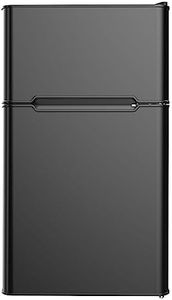
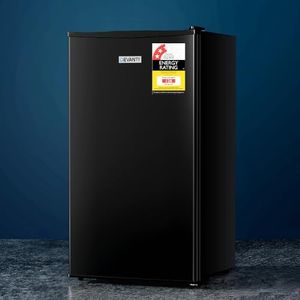
Buying Guide for the Best Mini Fridges With Freezers
Choosing the right mini-fridge with a freezer involves thinking carefully about your available space, storage needs, and lifestyle. Mini-fridges are great for small apartments, dorm rooms, offices, and even bedrooms. When picking one, you want to make sure it will fit where you need it, keep your food and drinks cold and fresh, and work reliably. Understanding the main features can help you find the best mini-fridge for your needs.CapacityCapacity refers to the total amount of space inside the mini-fridge, usually measured in liters or cubic feet. This is important because it tells you how much food and drink you can store inside. Mini-fridges often range from around 1.5 to 4.5 cubic feet. Smaller capacities are great for just a few snacks and drinks or limited use, while larger capacities allow for more groceries and are suitable if you store a lot of items or share it with others. To choose the right size, consider what you plan to keep in the fridge—if you need to store meal leftovers, drinks, and frozen food, look for a larger one. If you only need to cool a few sodas and a sandwich, a smaller size will be enough and save space.
Freezer Type and SizeThe freezer compartment in a mini-fridge can come in different forms: small built-in boxes, half-width spaces, or even separate doors (which is called a true separate freezer). The freezer size matters if you need to store frozen meals, ice cream, or make ice. Smaller freezers are fine for making some ice cubes and freezing small items, but if you need real freezer space for meals, pizzas, or ice packs, look for a larger, separate freezer compartment. Think about what you want to freeze—if it's just occasional ice, a small box works, but for actual frozen foods, you'll appreciate a bigger, more independent freezer section.
DimensionsDimensions refer to the physical size of the mini-fridge: its height, width, and depth. This is essential to ensure the fridge fits in your intended location without blocking doors or outlets. Mini-fridges can be tall and narrow, short and wide, or very compact. Measure your available space before you shop, and compare with the fridge’s dimensions. Also think about whether it needs to fit under a desk, in a corner, or if there's room for the door to swing open fully.
Temperature ControlTemperature control is the ability to adjust how cold the fridge and freezer get. Some mini-fridges have simple dials with limited options, while others allow more precise control. This is important because some foods or drinks need a specific temperature to stay fresh and safe. If you plan on storing sensitive items like fresh dairy or leftovers, a mini-fridge with a better, adjustable temperature control helps keep things at the right chill. For just drinks, simple controls are usually fine, but if you want to use both sections for real food, better controls are helpful.
Energy EfficiencyEnergy efficiency tells you how much electricity the mini-fridge uses, usually shown by certifications or comparison labels. Efficient models save on your power bill and are better for the environment, especially if you'll be running the fridge all the time. If you plan on keeping your mini-fridge plugged in year-round, look for models that are labeled as energy efficient. For occasional use, this is less of a concern, but long-term users will notice the difference.
Noise LevelNoise level measures how loud the fridge is when it's running. Some mini-fridges can be noisy, which is noticeable if you keep it in a quiet space like a bedroom, office, or dorm. If you’re sensitive to noise, look for a mini-fridge that mentions quiet operation or low-decibel levels. For kitchens or areas where noise is less important, this may matter less, but in study or sleep areas, quiet fridges are much more comfortable.
Shelving and Storage OptionsInside the mini-fridge, the shelving and storage options determine how easily you can organize your items. Some have adjustable shelves, dedicated can dispensers, or door racks for bottles. This is important if you want to store a mix of drinks, leftovers, or different size containers. If you like organized spaces, or store lots of small items, look for flexible and adjustable shelves. For simple storage of similar items, shelving matters less.