10 Best Mini Woks
From leading brands and best sellers available on the web.By clicking on a link to a third party's website, log data is shared with that third party.
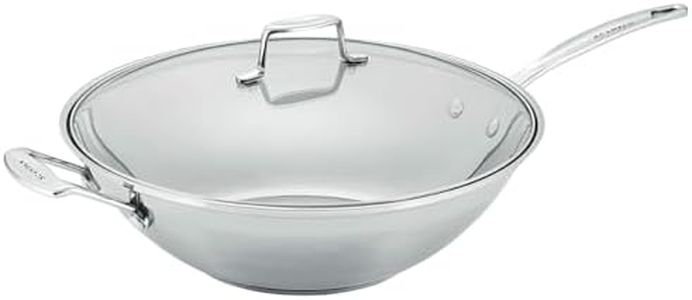
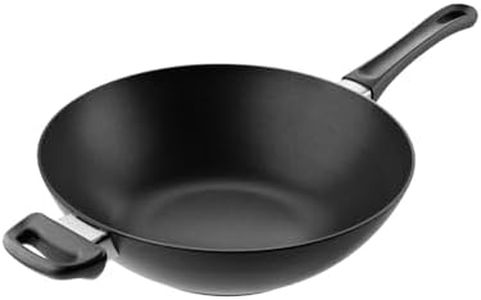
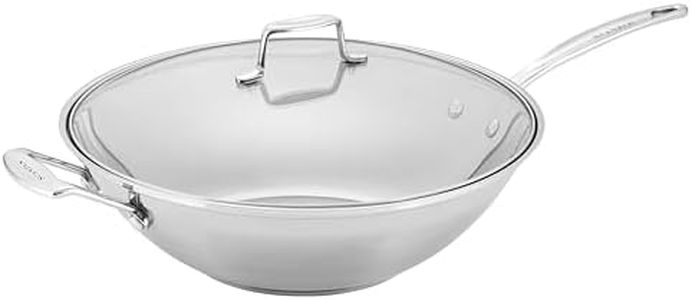
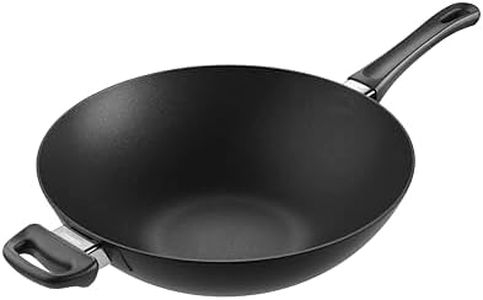
Related Products
Up to 38% off
Buying Guide for the Best Mini Woks
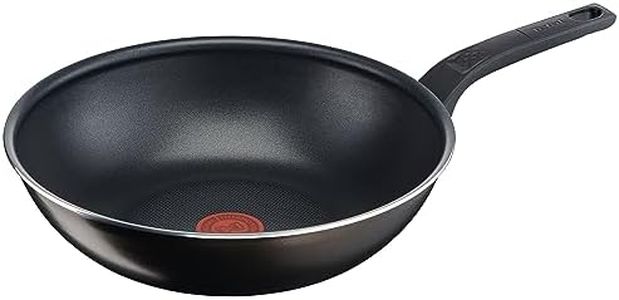
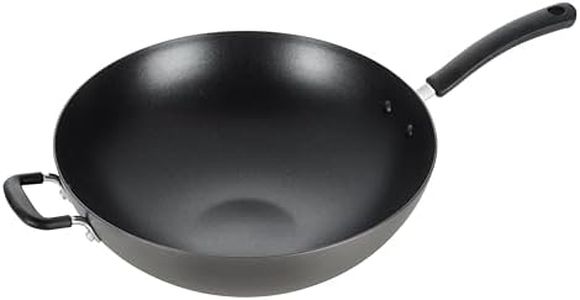
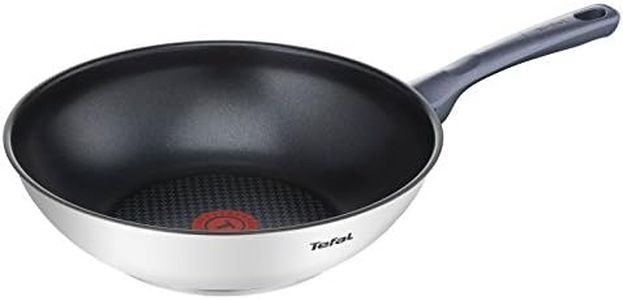
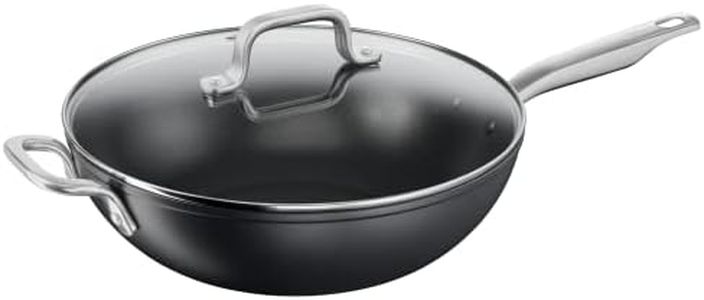
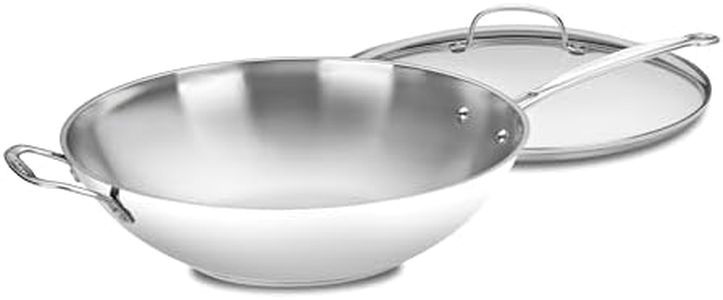
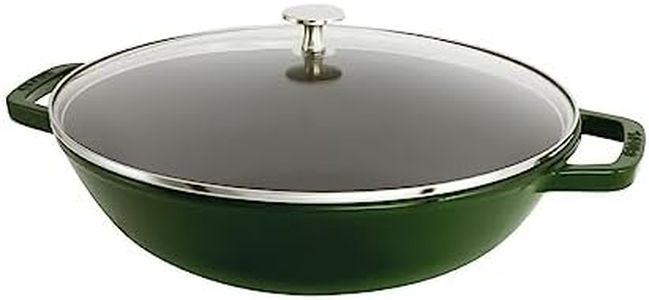
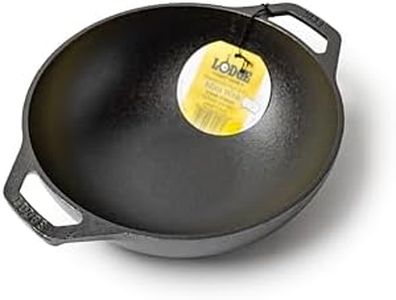
Choosing the right mini-wok is about knowing how you'll use it and what you expect from your cooking experience. Mini-woks are smaller versions of traditional woks—great for individual servings, small kitchens, or those who cook in small quantities. The right pick comes from balancing the material, size, shape, and handle type based on your cooking needs and comfort level.MaterialThe material of a mini-wok affects how it heats up, how evenly it cooks food, and how easy it is to maintain. The most common materials are carbon steel, stainless steel, cast iron, and nonstick coatings. Carbon steel heats quickly and is favored for stir-frying, but needs seasoning to prevent rust. Stainless steel is durable and easy to clean, though it can be less non-stick. Cast iron holds heat well and adds flavor over time, but is heavy and takes longer to heat up. Nonstick ones are easy to use but may not tolerate high heat and can lose their coating with frequent use. Your cooking style—whether you want fast stir-frying, easy cleanup, or long-lasting seasoning—should guide your choice here.
Size/CapacityMini-woks come in different diameters, usually from about 6 to 10 inches. The size determines how much food you can cook at once. The smallest ones are best for single servings or side dishes, while slightly larger mini-woks can handle meals for two. If you mostly cook for yourself, a 6–8 inch wok will do; for two people or some flexibility, look at 8–10 inches. Think about your portion sizes and kitchen space to decide what fits best.
Shape and DepthMini-woks often have the traditional rounded shape, but you’ll also find some with a flatter base for better stability on home stovetops. The depth can affect how easy it is to toss ingredients and avoid spills. Deep, rounded bowls are ideal for stir-frying at high heat and tossing food, while flatter, shallower ones are easier for general use and fit better on electric or induction stoves. Pick a shape that matches your comfort with tossing food and fits your specific stove type.
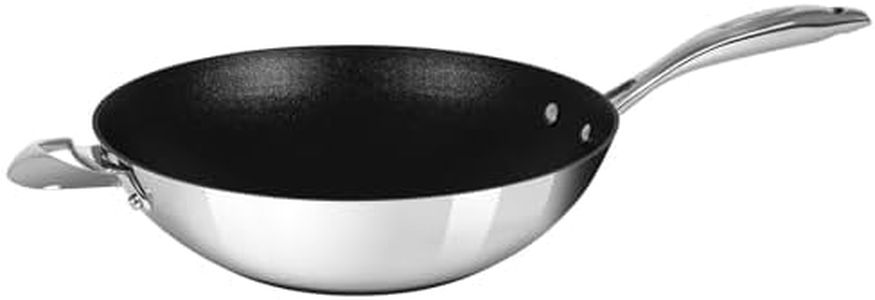
Handle TypeHandles can be one long handle, similar to a frying pan, or two small looped handles on either side. A long handle makes tossing and flipping food easier and keeps your hand further from the heat, while loop handles make it easier to move the wok around or store if space is tight. Ergonomics and your preferred cooking style—whether you like to move food around quickly or keep things steady—should help you decide.
Compatibility with Heat SourcesNot every mini-wok works on all stovetops. Some need to be flat-bottomed for electric or induction stoves, while round-bottomed woks are better for traditional gas burners or with a wok ring. Double-check that the bottom and material work with your primary cooking heat source, so you get good heating and avoid accidents or poor cooking results.
Ease of MaintenanceMini-woks have different needs when it comes to cleaning and upkeep. Carbon steel and cast iron require seasoning and must be dried thoroughly to avoid rust; stainless steel and nonstick are easier to maintain but require care to avoid scratches or damaging the coating. If you want something low-fuss, stainless steel or nonstick might be better, but if you enjoy a hands-on kitchen tool and like building up seasoning, carbon steel or cast iron can be rewarding.