2 Best Moss Killer For Roofs
From leading brands and best sellers available on the web.By clicking on a link to a third party's website, log data is shared with that third party.

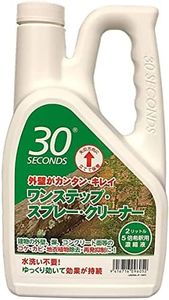
Buying Guide for the Best Moss Killer For Roofs
Choosing the right moss killer for roofs ensures that you efficiently remove unwanted moss without causing harm to your roofing material or the surrounding environment. It's important to consider what your roof is made of, the extent of moss growth, and your comfort level in applying products. Picking the right product means that you solve the problem effectively, minimize recurring issues, and avoid damage or unnecessary labor.Type of Moss KillerMoss killers come in various forms, such as liquid sprays, granules, and ready-to-use solutions. Liquid sprays are popular for thorough coverage and immediate action, while granules are easy to spread and work more slowly as they dissolve with rain or watering. Ready-to-use options require no mixing and are convenient for small areas. Choose based on the size of your roof and your comfort with application—larger roofs may benefit from concentrates, while smaller, easily accessed areas might be best served by ready-to-use sprays.
Active IngredientsThe effectiveness and safety of moss killers depend on their active ingredients, which may include chemicals like zinc sulfate, potassium salts of fatty acids, or bleach-based compounds. Zinc and potassium-based ingredients offer strong moss removal while minimizing potential harm to roofs and plants. Bleach-based products clean quickly but may damage shingles or plants if not used carefully. Consider your priority—rapid action, roof material safety, or environmental impact—to guide your choice.
Roof CompatibilitySome moss killers can react differently with roofing materials such as asphalt shingles, tiles, metal, or wood shakes. A product that's safe on one roofing surface could discolor or damage another. Always check if a moss killer is compatible with your roof type, and avoid harsh chemicals on sensitive materials. Knowing your roofing material helps you pick something that cleans effectively without causing premature wear.
Application MethodMoss killers can be applied using a spray bottle, garden sprayer, or by sprinkling granules, depending on the product. Consider how comfortable you are with heights and equipment—sprays need even coverage and safe ladder use, while granules may be safer for ground-level application on sloped surfaces. Match the method to both your personal safety and the roof's shape for the best results.
Environmental ImpactSome moss killers can be harmful to nearby plants, water supplies, or pets. Eco-friendly formulas are designed to minimize these risks and are ideal if you have gardens or pets that might come in contact with runoff. Think about whether your gutter drains into a garden or pond—choosing a low-impact option can protect other areas of your property.
Residue and StainingCertain moss killers may leave behind white residue, streaks or stains on your roof or on siding below. If appearance is important or if you have visible roofs, pick products noted for a clean finish after application. Reading product details or reviews can help you avoid unwelcome stains.
Long-term PreventionSome moss killers not only remove existing moss but also create a protective barrier to slow regrowth. This sustained effect is especially valuable in damp or shaded areas where moss tends to come back quickly. If you want less frequent treatments and less hassle in the long run, look for products that mention ongoing prevention.