10 Best Motorcycle Riding Pants
From leading brands and best sellers available on the web.By clicking on a link to a third party's website, log data is shared with that third party.
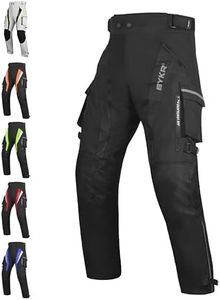
Related Products
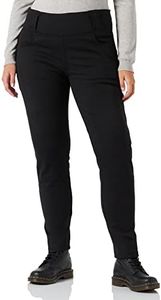
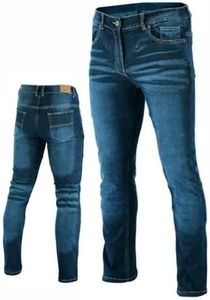
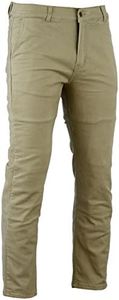
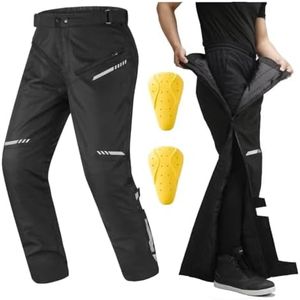
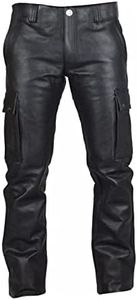
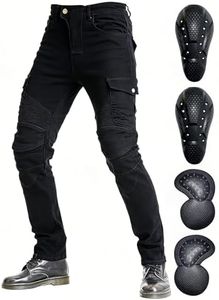
Buying Guide for the Best Motorcycle Riding Pants
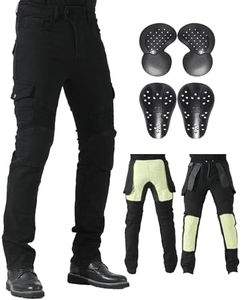
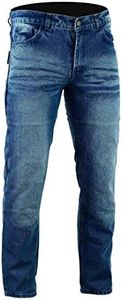
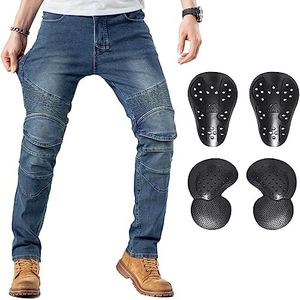
Choosing the right motorcycle riding pants is crucial for both comfort and safety when you're on the road. The right pair protects you from weather, abrasions in case of falls, and keeps you comfortable during long rides. To make the best choice, focus on how you plan to ride, typical weather you encounter, and the type of motorcycle you use.MaterialMaterial refers to what the pants are made from, such as leather, textile, or denim. This matters because different materials offer varying levels of protection, comfort, and breathability. Leather pants are highly abrasion-resistant and popular among sport riders. Textile pants are usually lighter, often waterproof or water-resistant, and favored for touring and city rides. Riding jeans reinforce regular denim with protective fibers and armor, blending casual looks with safety. When deciding, think about your riding style and climate—leather for maximum protection in dry weather, textile for versatility and bad weather, or reinforced denim for everyday or light riding.
Armor and ProtectionArmor refers to protective pads inserted at key impact zones like knees, hips, and sometimes tailbone. This is important because it can greatly reduce injury in the event of a fall. Pants usually have armor rated as CE Level 1 or Level 2, with Level 2 offering higher protection. Some pants include removable or adjustable armor, letting you customize comfort and protection. For frequent highway riding or high-speed travel, opt for pants with full CE Level 2 armor. For city or casual rides, Level 1 or lighter, removable armor could suffice.
VentilationVentilation refers to how well the pants let air flow, keeping you cool on warm rides. This is usually provided through mesh panels, zipper vents, or special fabrics. Good ventilation prevents overheating and sweating, making long rides much more comfortable. If you mostly ride in hot climates, look for pants with lots of mesh or large, adjustable vents. For varying weather or cold climates, less ventilation or vents you can close work better.
Water ResistanceWater resistance defines how well the pants protect you from rain or wet conditions. Some pants are made from waterproof materials or include removable waterproof liners. This feature is key for commuters, touring riders, or anyone who rides in unpredictable weather. If you expect regular rain, prioritize truly waterproof pants with sealed seams. For dry climates, water resistance is less critical, so a basic fabric or optional rain cover may be enough.
Fit and AdjustabilityFit and adjustability cover how the pants conform to your body and if you can adjust waist, leg, and cuff openings. A proper fit is important because loose pants can flap in the wind or let the armor shift, while tight pants can restrict movement and be uncomfortable. Many pants offer adjustable straps or stretch panels. When picking pants, try to find ones that match your typical riding posture and allow room for layers if you ride in varying temperatures. Adjustable features are especially helpful if you want your gear to be versatile or if your body measurements are between standard sizes.
VisibilityVisibility refers to design elements—like reflective strips or high-visibility colors—that make you more noticeable to other drivers, especially at night or in bad weather. This spec is important for safety, as it can help prevent accidents. If you often ride in low light or busy traffic, pants with built-in reflective material or bright colors can increase your visibility to others. If style is a priority or you ride mainly in daylight, you might prefer more subtle designs but consider at least some reflective touches for nighttime rides.