10 Best Mountain Bike Glasses
From leading brands and best sellers available on the web.By clicking on a link to a third party's website, log data is shared with that third party.

Related Products
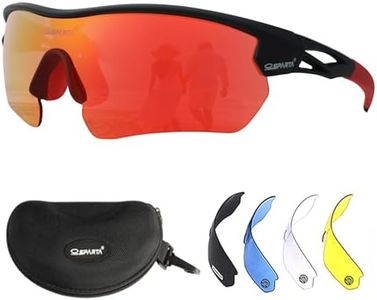
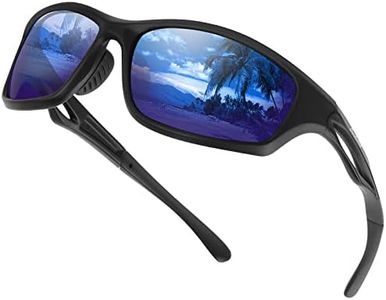
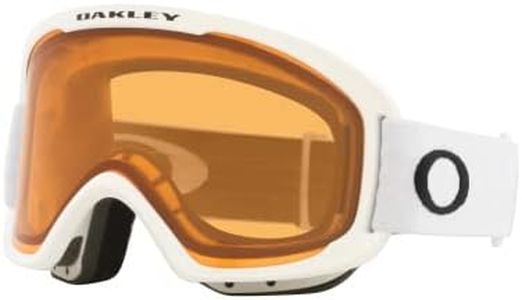
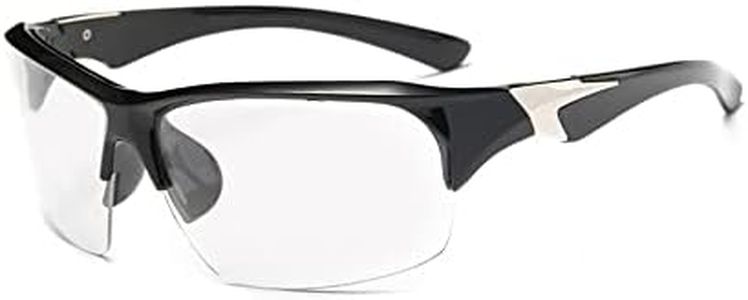
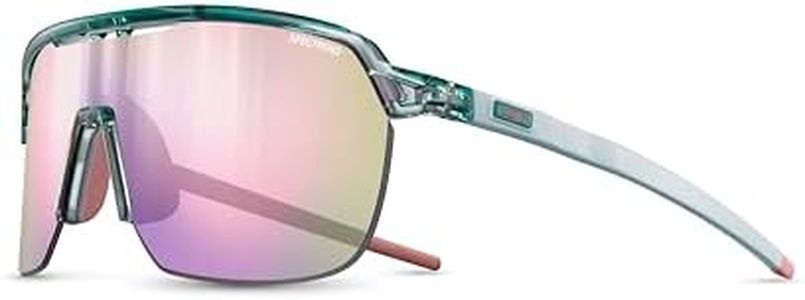
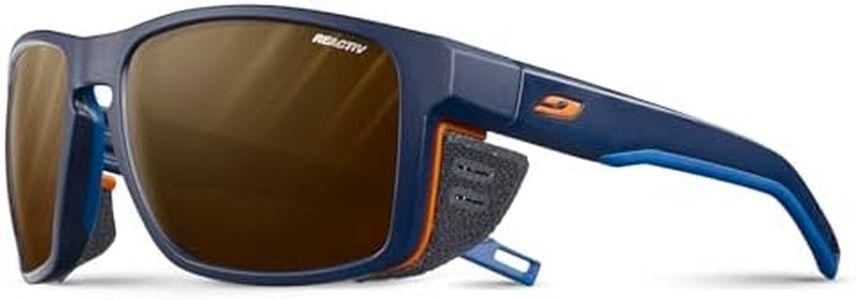
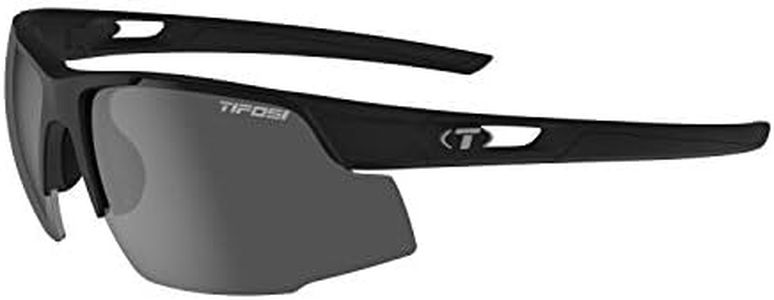
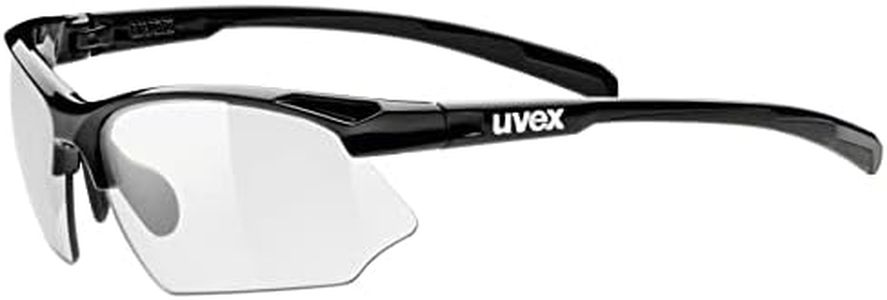
Recommended lists

Top rated
Mountain Bikes
Buying Guide for the Best Mountain Bike Glasses
When choosing mountain bike glasses, you're looking for eye protection that boosts comfort, vision, and safety through all kinds of riding conditions. The goal is to find glasses that stay put when the trail gets bumpy, shield your eyes from sun, debris, and wind, and keep your vision clear in changing environments. A good fit is just as crucial as protection, so selecting glasses designed for your riding style and typical weather conditions will make your mountain biking much more enjoyable.Lens TypeLens type refers to the material and technology of the lens, including categories like standard, photochromic (which change tint with light), or polarized (which reduce glare). The lens type matters because it affects clarity, eye protection, and comfort—all essential for unpredictable trails and lighting. Basic lenses work well for consistent, moderate conditions, but if you often ride in sunny or glare-prone areas, polarized lenses can reduce strain. Photochromic lenses adapt automatically to brighter or darker light, offering versatility for all-day outings. Think about your typical ride environments and choose a lens type that covers those needs best.
Lens Tint/ColorLens tint or color influences how much light gets through and what colors you see, directly impacting visibility and eye comfort. Clear lenses are best for low light or forested trails, whereas dark or mirrored lenses cut harsh sunlight on open trails. Amber or rose tints can boost contrast to help spot roots and rocks better, especially in mixed or overcast conditions. Consider what kind of terrain and weather you'll face most often—pick a tint that improves what you see where you ride the most.
Impact ResistanceImpact resistance describes how well the lenses and frames can withstand hits from flying debris, branches, and even falls. This is important because mountain biking often exposes you to rough, unpredictable environments. Look for glasses labeled as shatterproof or compliant with safety standards, as these will be much better at protecting your eyes if things get wild. If you ride technical and overgrown trails, prioritize higher impact protection.
Fit and ComfortFit and comfort cover how the glasses sit on your face and under your helmet, plus whether they stay put during rough rides. Glasses that are too tight may become uncomfortable; too loose, and they’ll slide off or cause distractions. Look for adjustable nose pads, flexible stems, and rubber grips that keep the glasses secure even through sweat and movement. Try several shapes and sizes to see what feels stable and light without pressure points, keeping in mind your helmet style and head shape.
Ventilation and Fog ResistanceVentilation and fog resistance refer to design features that prevent your glasses from steaming up due to sweat or differing temperatures. Good airflow ensures your lenses stay clear as you work hard on climbs or hit chilly descents. Some glasses offer lens coatings that fight fog or have built-in vents to channel air. If you ride in humid, wet, or highly variable conditions, prioritize designs with strong anti-fog qualities so you won’t lose sight when it matters most.
CoverageCoverage means how much of your eyes and surrounding skin are shielded from sunlight, wind, dust, and debris. Large, wraparound lenses or frames offer more protection and are great for fast, aggressive riding or very dusty trails. Smaller or frameless designs give a lighter feel but with less shielding. Choose wider coverage for faster, messier rides, and lighter options for leisurely or well-groomed paths.