10 Best Muay Thai Shin Guards
From leading brands and best sellers available on the web.By clicking on a link to a third party's website, log data is shared with that third party.
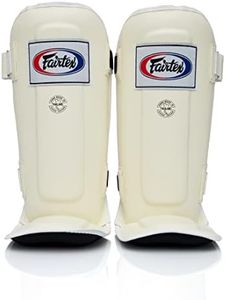
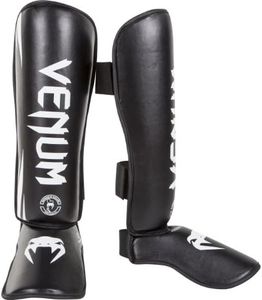
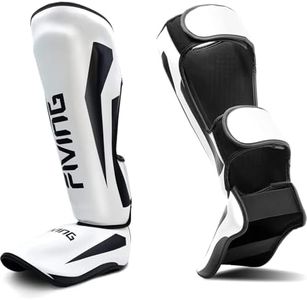
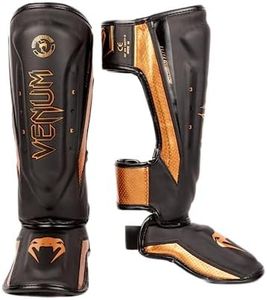
Related Products
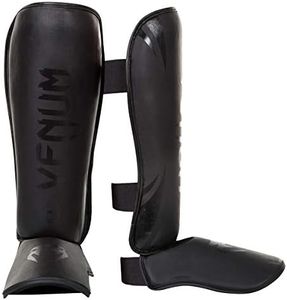
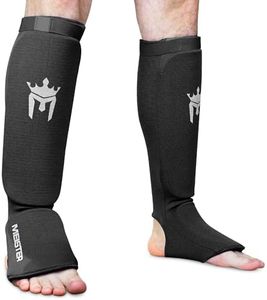
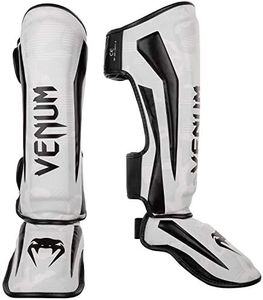
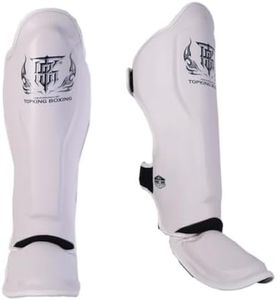
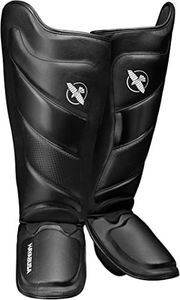
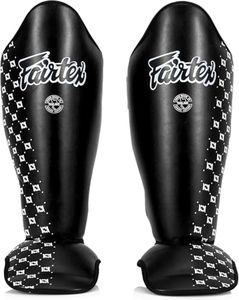
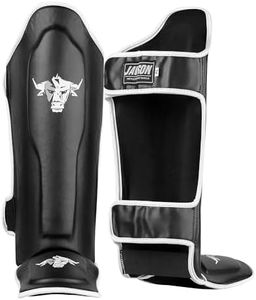
Buying Guide for the Best Muay Thai Shin Guards
Choosing the right Muay Thai shin guards is very important, whether you're new to the sport or are already familiar with sparring. The right pair will make a huge difference to your comfort, safety, and ability to train effectively. Since shin guards come in different materials, sizes, and levels of protection, it's best to learn what each feature means so you can find the best fit for your body and training style.MaterialShin guards are usually made from synthetic leather, genuine leather, or fabric. Material affects durability, comfort, and maintenance. Genuine leather tends to be more durable and comfortable but requires care to last long, while synthetic options are lighter, easy to clean, and often less expensive. Fabric shin guards are often used for light training or kids but may offer less protection. Choose based on how often and intensely you’ll be training, and your preference for maintenance and feel.
Padding ThicknessPadding in shin guards protects your shins and feet from impacts during training and sparring. Thicker padding offers more protection, ideal for beginners or those who prioritize safety, but it may feel bulkier and slightly limit movement. Thinner padding gives you more freedom and lets you feel more of the contact, preferred by advanced users or for competitions. Think about your own experience and confidence: if you’re starting out or planning heavy sparring, aim for the thicker end; if you’re experienced or want a lighter feel for drills, go thinner.
Size and FitShin guards come in different sizes, usually based on your height and leg dimensions. A good fit means they cover your shin from just below the knee to just above the ankle, without shifting around when you move. If they’re too big, they’ll slip and be uncomfortable; too small, and protection is reduced. Try on different sizes or refer to sizing charts, aiming for a snug but not tight fit—comfort and full coverage matter most for both safety and enjoyment.
Strap SystemHow shin guards attach to your leg affects both comfort and stability. Most use Velcro straps or elastic sleeves. Velcro allows for wider adjustability and tends to keep the guards securely in place during intense sessions, which is helpful for sparring. Elastic sleeves are easier to slip on and might be more comfortable for light drills, but can move around more. Consider how dynamic your training is: if you move a lot or spar frequently, more secure strapping is likely better.
Weight and MobilityThe weight of your shin guards can influence how easy it is to move and kick during training. Heavier guards offer better protection but can slow you down or make technique practice tiring over long sessions. Light guards help with speed and fluid movement but might sacrifice some impact absorption. Match the weight to your training style—more protection for heavy sparring, or lighter guards for technique work and fitness.
Coverage (Shin & Instep)Some guards not only protect your shins but also have extended sections for your instep (top of the foot). This extra coverage is useful in Muay Thai since kicks often involve this part of the foot. Choose a model with adequate instep protection if your training style includes a lot of kicking or if you want extra safety in these areas. If you mostly do light technical work, less coverage could feel lighter and less restrictive.