10 Best Murray Cod Lures
From leading brands and best sellers available on the web.By clicking on a link to a third party's website, log data is shared with that third party.


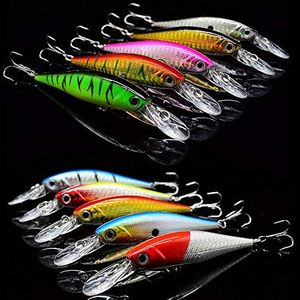

Related Products
Up to 23% off

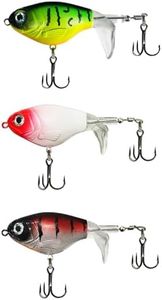
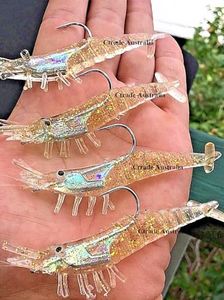
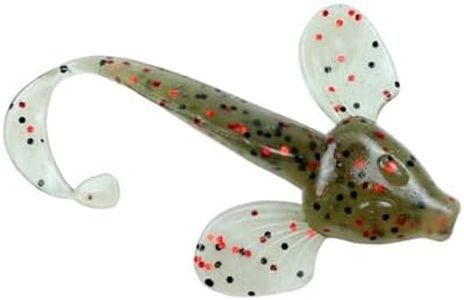


Recommended lists
Top rated
Muskie Lures
Buying Guide for the Best Murray Cod Lures
Choosing the right Murray cod lure is all about matching your fishing style, the conditions you’re facing, and the behavior of the fish. The right lure can make a big difference in enticing a Murray cod to strike, but with so many types and options, it’s important to understand what really matters. Focus on key features like lure type, size, action, color, and buoyancy. Think about where you’ll be fishing, the water clarity, and whether you’ll be casting into snags or open water. By understanding each element, you can select a lure that suits your target environment and increases your chances of landing that prized catch.Lure TypeLure type refers to the design and intended use of the bait, such as hard-bodies, spinnerbaits, surface lures, or soft plastics. Each type behaves differently underwater and can appeal to Murray cod in various ways. Hard-body lures and spinnerbaits are great for covering water, while surface lures are exciting for topwater action. To choose, consider where and how you’ll fish—snaggy rivers suit durable lures, while larger open waterways might be better with surface or swimbait styles.
Lure SizeLure size means the length and bulk of the lure, usually measured in centimeters or inches and sometimes weight. This matters because Murray cod are predatory and often go for big meals, but the size should also match the water’s clarity and the local prey. Smaller lures (less than 100mm) can be effective in clearer water or when fish aren’t aggressive, while larger lures (over 150mm) can trigger strikes from bigger, trophy-sized cod, especially in murky or deep water.
Lure ActionLure action is how the lure moves when retrieved, such as wobbles, rattles, or vibrations. Different actions appeal to fish in different moods, and some lures emit noise or flash to draw attention. If fish are actively feeding or you’re fishing stained water, bolder action and noise might be best. Gentle, subtle action is useful in calm conditions or clear water where fish are spooky. Pick based on how much commotion you want to create and how pressured the fish are.
ColorColor affects a lure’s visibility and attraction to the fish in varying light conditions and water clarity. Natural, muted tones work well in clear water, blending in with prey. Bright or high-contrast colors stand out in muddy water, helping the lure to be seen from a distance. Bright colors can also trigger reaction bites when fish are not actively feeding. Let your local water conditions and weather be your guide to picking lure color.
BuoyancyBuoyancy describes whether the lure floats, sinks, or suspends in the water. Floating lures are great for surface action and fishing over snags, while sinking lures can reach deeper water where larger fish might be holding. Suspending lures stay at a certain depth between casts, letting you keep the bait in the strike zone longer. Choose buoyancy based on where in the water column you want to fish and how weedy or snaggy your chosen spot is.