We Use CookiesWe use cookies to enhance the security, performance,
functionality and for analytical and promotional activities. By continuing to browse this site you
are agreeing to our privacy policy
10 Best Nail Guns For Baseboards
From leading brands and best sellers available on the web.By clicking on a link to a third party's website, log data is shared with that third party.

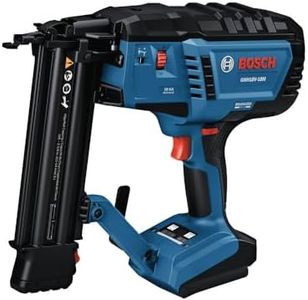
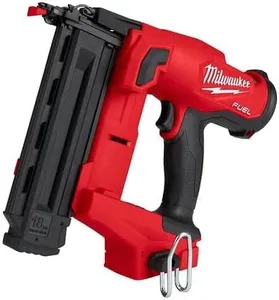
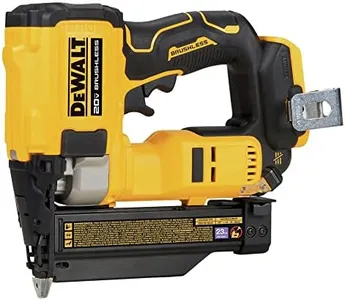
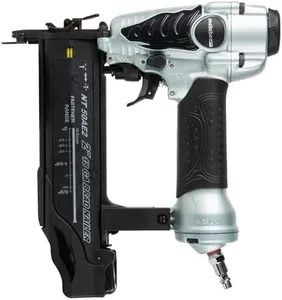
Related Products
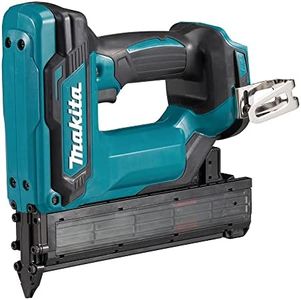
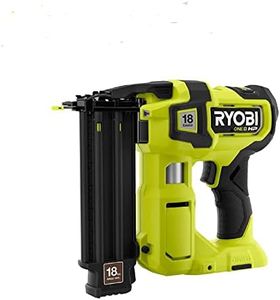
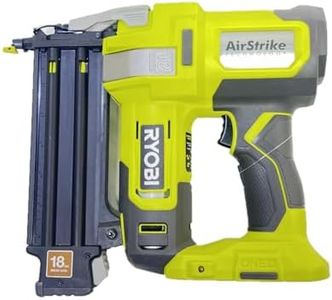
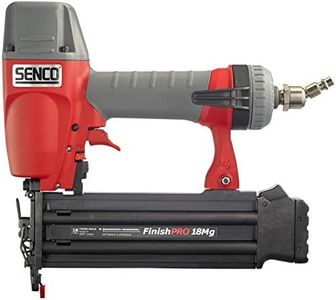
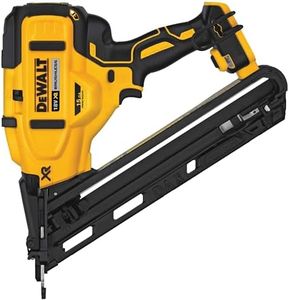
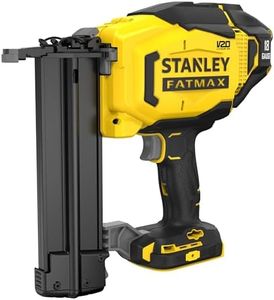
Buying Guide for the Best Nail Guns For Baseboards
When you're choosing a nail gun for installing baseboards, it's important to remember that the right tool can make the job faster, easier, and produce much neater results. Picking a nail gun isn't just about grabbing the first option you see—it's about understanding your specific needs, the type of work you'll be doing most often, and making sure your choice matches your skills and comfort level. Take note of key features because they'll impact how easy the tool is to use, how well it works with different baseboard sizes and thicknesses, and what kind of finish you can achieve.Nail GaugeNail gauge refers to the thickness of the nail that the gun uses. For baseboards, a smaller gauge number means a thicker nail, while a higher gauge means a thinner nail. Typically, for baseboards, people use 15, 16, or 18 gauge nails. Thicker nails (15–16 gauge) offer more holding power, best for heavier or taller baseboards or when nailing into harder woods, whereas thinner 18 gauge nails leave a smaller hole for a neater finish but are best for lighter, less demanding jobs. Think about your typical projects: if you prioritize less visible holes, go for a higher gauge, but if strength is your main concern, a lower gauge is better.
Nail Length CapacityNail length capacity tells you what lengths of nails the gun can handle. Longer nails give more holding power and are useful for thicker baseboards or when fastening through baseboard and drywall into studs. Most jobs use nails around 1.5 to 2.5 inches long. If you often work with thick materials or uneven walls, pick a nail gun that can accommodate longer nails. For small, thin baseboards, a model that supports shorter nails could be enough, as you'll avoid splitting.
Power SourceNail guns can be powered by air (pneumatic), batteries (cordless), or occasionally, fuel cartridges. Pneumatic ones need an air compressor and generally give more consistent performance and less weight, making them great for longer projects or professional-level use. Battery-powered (cordless) guns offer freedom from cords and compressors, and are best if you have limited outlets or will move around a lot, but they tend to be heavier. Consider how portable you need your tool to be and what setup is more convenient for you.
Depth AdjustmentDepth adjustment lets you set how far the nail is driven into the wood. This is important for appearance and holding strength. Too deep, and the nail disappears or damages wood; too shallow, and it will stick out unsafely. Most good nail guns allow tool-free depth adjustment, making it easy to switch settings for different woods and baseboard thicknesses. If your projects vary or you want to avoid filling big holes, look for easy-to-use depth controls.
Size & WeightThe size and weight of the nail gun affect how comfortable it is to hold and maneuver, especially for long periods or in tight spaces. Lighter, more compact guns are easier to use for a beginner or working overhead and in corners, but may have limited features or power. Heavier models may be tiring but can provide more stability and options. Match the tool’s weight and size with the kind of working environment and the duration of projects you expect.
Jam Clearing MechanismNail jams happen, but a good nail gun design makes clearing a jam quick and tool-free. This saves time and frustration, especially on fiddly trim jobs like baseboards. Look for models that mention easy or tool-free jam release, as this means you can get back to work quickly if you hit a snag.