10 Best Nipple Creams
From leading brands and best sellers available on the web.By clicking on a link to a third party's website, log data is shared with that third party.
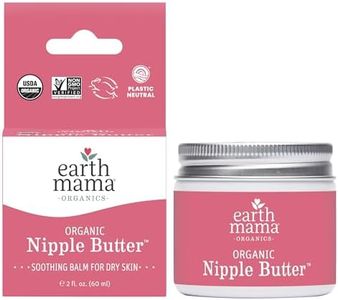

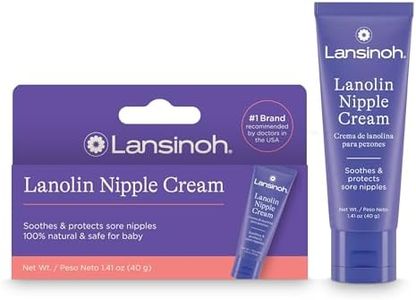
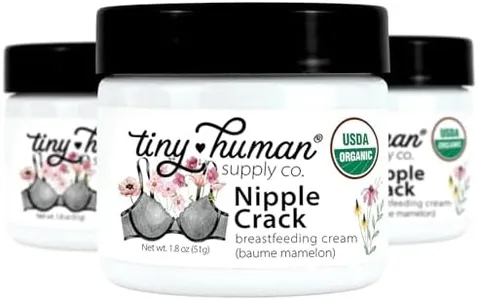
Related Products
Up to 10% off
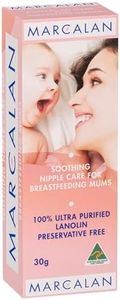
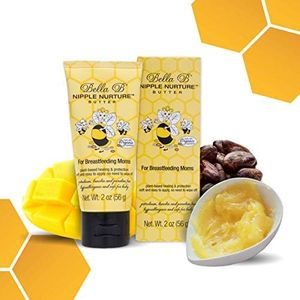
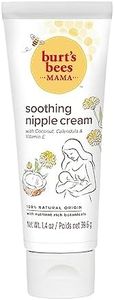
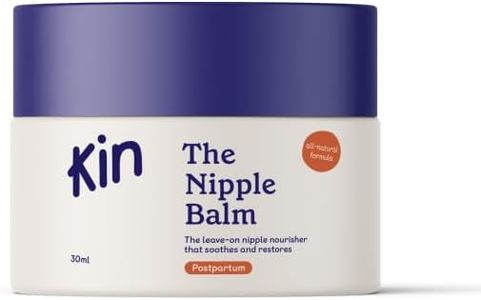

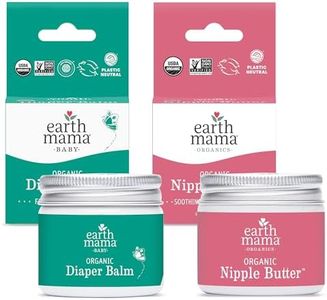
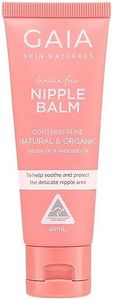
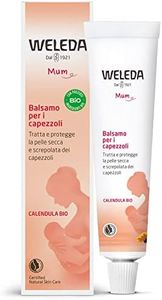
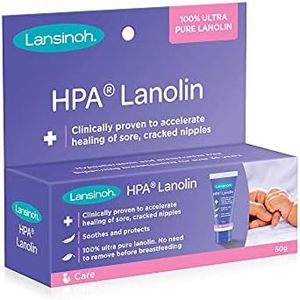
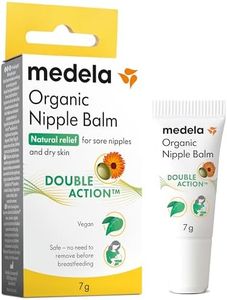
Recommended lists
Top rated
Night Creams
Buying Guide for the Best Nipple Creams
Choosing the right nipple cream is important for anyone experiencing discomfort, soreness, or dryness due to breastfeeding or other reasons. A good nipple cream can soothe pain and promote healing, making the experience more comfortable. When shopping, focus on safety (especially if you’re nursing), the ease of application, and how effective the cream is at relieving discomfort. It’s also important to be aware of potential allergies and any extra ingredients that might be present.Ingredients and SafetyIngredients are the most crucial aspect of nipple creams, especially if you are breastfeeding. Generally, nipple creams are made with either lanolin, plant-based oils, or hypoallergenic synthetic blends. Lanolin is common and known for its effectiveness, but some might prefer plant-based options for a vegan or allergy-friendly choice. Always look for products labeled as safe for baby ingestion, so there’s no need to wash the cream off before nursing. If you have allergies or sensitivities, always check the ingredient list and choose products with as few additives and fragrances as possible.
Texture and ConsistencyThe texture of a nipple cream can affect how easy it is to use and how comfortable it feels. Creams can range from thick and ointment-like to lightweight balms. Thicker options may offer more protection and stay on longer, which can be helpful if you have very dry or cracked skin, but might feel heavy or sticky. Lighter formulas absorb quickly and feel less greasy, making them good for everyday maintenance or if you dislike having residue on your skin. Think about how often you’ll use the cream and whether you prefer long-lasting protection or a fast-absorbing feel.
Ease of ApplicationHow easily a cream spreads and absorbs matters, especially when your skin is sensitive. Some creams, especially those with natural oils, melt easily at skin temperature and spread without much rubbing, which can be gentler on irritated nipples. Others might need to be warmed up in your fingers first or could be firmer in texture. If your skin is very sore, a product that requires less pressure and effort to apply may be better.
Scent and FlavorAlthough it’s not a requirement, some nipple creams have added scents or flavors for pleasantness. However, for sensitive skin or for use while feeding, it’s usually best to pick unscented and unflavored options. Added fragrances or flavors can sometimes cause irritation for both you and your baby, and they don't add to the cream's effectiveness. If you're concerned about potential sensitivities, unscented options are a safer bet.
Packaging and SizeNipple creams come in tubes, jars, or small pots. Tube packaging is common because it's hygienic and easy to carry. Jars may allow you to get every last bit out but require you to dip your finger in, which could be less hygienic if you're out and about. Size can matter if you plan to use it often or want a tube for every diaper bag or purse; travel-size options are handy, while larger sizes might be more economical for frequent use.