10 Best No Sew Hem Tape
From leading brands and best sellers available on the web.By clicking on a link to a third party's website, log data is shared with that third party.
Related Products
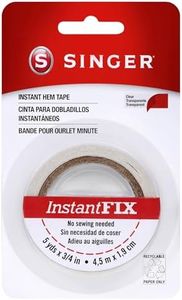
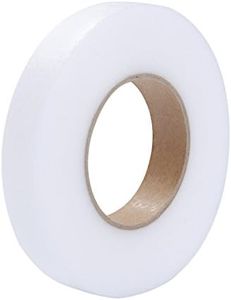
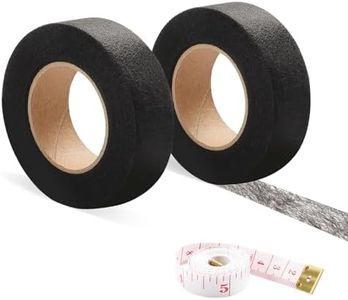

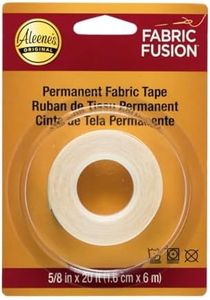
Recommended lists

Top rated
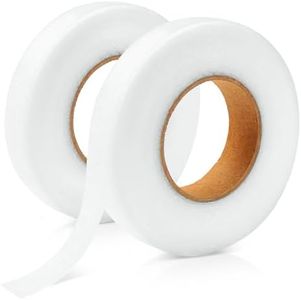
Hemming Tape
Buying Guide for the Best No Sew Hem Tape
Choosing the right no-sew hem tape can make a big difference in how neat, durable, and comfortable your altered clothes or fabric projects feel. Hem tape is designed to bind or fix fabric edges together using heat (often with an iron) instead of sewing. When picking a no-sew hem tape, think about the type of fabric you’re working with, how permanent you want the hold to be, how much flexibility you need, and whether you may want to remove the tape later. Understanding key aspects of hem tape can help you end up with results that look professional and last as long as you need.Tape WidthTape width is the measurement of how wide the strip of hem tape is, and it matters because it affects how strong and even the hold between two layers of fabric will be. Narrower widths (like 1/4 inch) are great for small hems or delicate garments where you want to avoid bulky seams, while wider widths (up to 1 inch or more) provide a stronger hold and are better for heavier fabrics or larger hems. You should pick a width that matches the size of the hem you’re working with and the weight of your fabric; too narrow, and it might not hold securely, too wide, and you may have excess tape showing or added stiffness.
Adhesive StrengthAdhesive strength refers to how well the tape bonds the fabric together, and it's important because it determines whether the hem stays intact over time and through wear or washing. Light-strength tapes are suitable for lightweight or sheer fabrics and temporary fixes. Medium-strength tapes suit most casual repairs on everyday fabrics like cotton or poly blends. Heavy-duty tapes are meant for thick materials like denim, curtains, or upholstery and for projects where a strong, permanent hold is essential. Consider what fabric you’re using and how much stress the hem will face—stronger adhesive is better for heavy or high-use garments, but may be overkill for delicate projects.
WashabilityWashability refers to how well the hem tape holds up after washing. Some hem tapes can stand regular machine washing and drying, while others might only survive a few gentle hand washes before losing their grip. If the item you're hemming will be washed often—like casual wear, uniforms, or kids’ clothes—look for hem tape labeled as 'washable' or 'machine-wash safe.' For decorative pieces or items rarely washed, washability might be less of a concern. Always check the package to see what level of washability is promised and match it to your garment’s care needs.
Thickness and FlexibilityThe thickness and flexibility of hem tape can affect how comfortable and natural the finished edge feels. Thin and flexible tapes are almost invisible and ideal for lightweight or stretchy fabrics where you need the original drape to remain. Thicker tapes add more structure and are suitable for thick fabrics or when you want the hem to stay very crisp. Think about the feel and look you want—softer, flexible tape for flowy fabrics, and firmer tape for structured items.
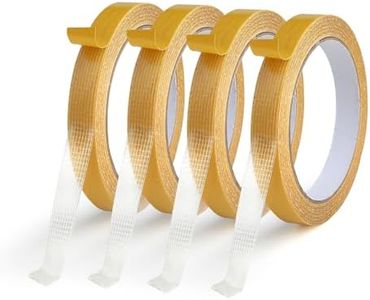
Application Method (Heat vs. Pressure Sensitive)Some hem tapes require heat from an iron to bond the fabric layers together (fusible tapes), while others stick with simple pressure (like double-sided fabric tape). Fusible tapes usually offer a stronger, more durable hold and are best if you have an iron available and need a lasting result. Pressure-sensitive tapes are quick, easy, and mess-free, but might not last as long, especially on heavy fabrics or in high-wash situations. Decide based on how permanent you want the fix to be and whether you’re comfortable using an iron.
RemovabilityRemovability is about how easily you can take off the tape if you want to undo or redo your hem later. Some tapes are meant to be permanent, while others can be peeled off without leaving residue. If you anticipate needing to alter your garment again, or if you’re hemming a costume or borrowed item, removable tape might be appropriate. Permanent tape is best for long-lasting alterations you don’t plan to reverse.