10 Best Noise Reduction Curtains
From leading brands and best sellers available on the web.By clicking on a link to a third party's website, log data is shared with that third party.
Related Products
Up to 15% off

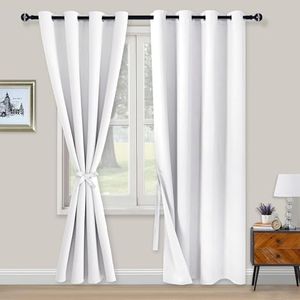
Buying Guide for the Best Noise Reduction Curtains
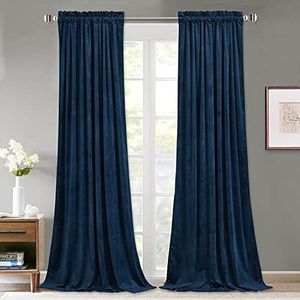
Choosing noise-reduction curtains is a great way to make your space quieter and more comfortable, whether you live on a busy street, want to dampen sound between rooms, or just enjoy a bit more peace and privacy. Picking the right curtain involves understanding which features actually block sound, not just decorate your windows. By learning about the key properties of noise-reducing curtains, you can choose a curtain that matches your needs in terms of both sound reduction and appearance.Material Thickness and DensityMaterial thickness and density are crucial because thicker and denser fabrics block more sound waves from passing through. Heavy and tightly-woven materials, like velvet, suede, or special soundproof synthetics, tend to absorb and reduce more noise compared to light, sheer curtains. To navigate these values, look for descriptions mentioning multiple layers or 'blackout' features, which often indicate higher density. If you need significant noise reduction, such as for a bedroom facing a noisy street, choose the thickest and densest curtains you can find. If you only want to reduce minor noise or prefer more natural light, a single, moderately thick layer may be enough.
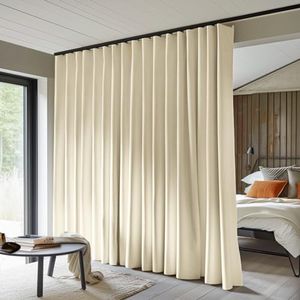
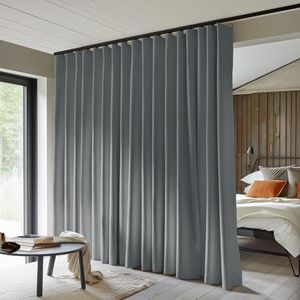
Curtain Size and CoverageThe size and coverage of your curtain play a key role in reducing noise because gaps around the edges allow sound to seep through. Curtains that are wider and longer than your window or door frame cover more area and help create a tighter seal. To understand what you need, measure your window and look for curtains that extend several inches beyond all sides. For the best noise reduction, pick curtains that puddle slightly on the floor and fully cover the sides and top of the window. If exact fit isn't possible, prioritize width to overlap with the wall.
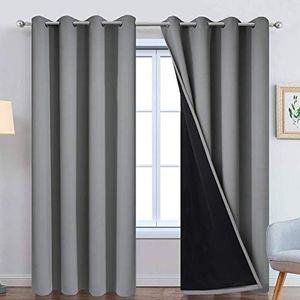
Layering and LiningMany noise-reduction curtains offer extra layers or special linings that add to their sound-blocking power. These linings are often made from materials designed to absorb sound. Layered curtains or those with thick linings are especially important if you live in a particularly loud area or need to use the room for activities like sleeping, studying, or recording. If your noise problem is minor or moderate, single-layer curtains may suffice; but for maximum effect, seek ones that mention multiple layers or dedicated sound-insulation linings.
Installation MethodHow you hang your curtains affects how well they block sound. Curtains mounted outside the window frame and extending to the floor work better at stopping noise than those hung tight inside the frame. Some rod types—like curved or wraparound rods—allow the curtain to hug the wall at the edges, closing gaps where sound could get through. If you need serious noise reduction, pay attention to how the curtain is installed: opt for methods and accessories that reduce open spaces around the curtain fabric. For moderate needs, standard rods may work fine.
Aesthetic PreferencesWhile this isn't about technical performance, the look and feel of the curtain also matters. Some very effective noise-reduction fabrics are bulky or have limited color choices, but many options are available in modern styles and patterns. Prioritize the technical specs needed for your noise problem, but also make sure the appearance fits your room so you’ll enjoy the result.