9 Best Non Selective Weed Killers
From leading brands and best sellers available on the web.By clicking on a link to a third party's website, log data is shared with that third party.
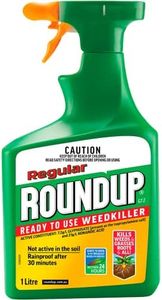
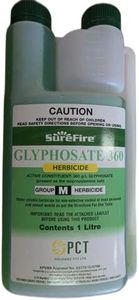
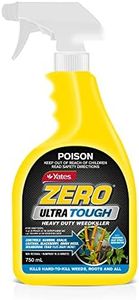
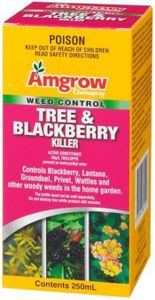
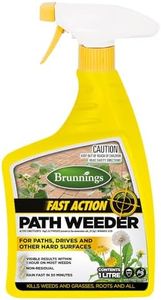
Buying Guide for the Best Non Selective Weed Killers
Choosing a non-selective weed killer can feel overwhelming, but the key is to understand your intended use and the environment in which you'll use the product. Non-selective weed killers are powerful because they target all plants, not just weeds, so careful application is crucial. The main factors to focus on are how fast you need results, where you’ll apply the weed killer, and how safe the product is around pets, people, and desired plants. Reading product labels and understanding the main specifications will help ensure you pick an effective and safe option for your needs.Active IngredientThe active ingredient is the chemical or natural compound that actually kills the plants. This is important because different active ingredients work in different ways and can impact the environment differently. There are synthetic options, like glyphosate, which is known for its effectiveness on most weeds and grasses, and more natural alternatives, like acetic acid (vinegar-based products), which are safer but sometimes less potent. If you want fast results on stubborn growth, a synthetic might be best; but for around vegetable gardens or play areas, a natural formula could be wiser. Always think about where and how you’ll use the product when choosing your preferred active ingredient.
Contact vs. Systemic ActionThis spec describes how the weed killer affects plants. Contact weed killers only affect the parts of the plant they touch, leading to quick visible results but not always killing the roots. Systemic weed killers travel through the entire plant, killing it from the inside out, which is more thorough but can take longer to see results. If you need to kill tough perennial weeds completely, a systemic option is best. If you just need to knock back surface growth for a short time, a contact product can do the job quickly.
Rainfast TimeRainfast time is how long the product needs to dry or soak in before rain or watering won’t wash it away. This matters because a longer rainfast time means you have to be watchful about the weather and time your application with care. Products with short rainfast periods (like under an hour) are more convenient, while those needing several hours are less forgiving. Choose a fast rainfast time if you live in a rainy area or want fast, weatherproof results.
Residue and Replanting IntervalThis tells you how long the treated area will remain toxic to new plants or seeds after application. Some weed killers have a long residue period, meaning you can’t plant anything new for weeks or months, which is critical if you plan to replant soon. Shorter residue or quick replant labels let you safely reuse the space faster. Choose based on how soon you want to use the area for new plants after weed control.
Application MethodApplication method refers to how you apply the weed killer—spray, ready-to-use bottle, concentrate to be mixed with water, or granular format. Sprays and ready-to-use bottles are convenient for small areas and spot treatments, while concentrates are economical for larger jobs but require mixing and extra care. Granular options are less common but can be useful in some scenarios. Think about your comfort level and the size of the area you’re treating when deciding on application style.
Safety to People, Pets, and WildlifeSafety specs tell you how risky the weed killer is around kids, pets, and local wildlife. Some products require keeping people and animals away from the area for several hours, while others are safer and allow re-entry sooner. This is especially important if pets or children play in the yard, or if you’re near gardens or habitats for beneficial insects. Choose a product with clear safety instructions that match your household’s needs.