3 Best Non Toxic Crib Mattress
From leading brands and best sellers available on the web.By clicking on a link to a third party's website, log data is shared with that third party.
Recommended lists

Top rated
Crib Mattress
Buying Guide for the Best Non Toxic Crib Mattress
Choosing a non-toxic crib mattress is a crucial decision for your baby's health and comfort. The crib mattress is where your child will spend a significant amount of time sleeping and resting in their early years. Non-toxic options help ensure that your baby isn’t exposed to potentially harmful chemicals or allergens, creating a safe and healthy sleep environment. When evaluating crib mattresses, it’s important to look for materials, certifications, and construction that all contribute to both safety and comfort. Understanding key specs will help you make an informed, confident decision tailored to your family’s needs.MaterialsMaterials refer to what the mattress is actually made of, both inside and out. For non-toxic crib mattresses, this is one of the most important specs, as it determines the exposure to synthetic chemicals. Natural materials like organic cotton, wool, or natural latex are often preferred because they are less likely to contain harmful additives. Foam or traditional synthetic materials can sometimes off-gas volatile organic compounds (VOCs). If you want maximum peace of mind, seek out mattresses with certified organic materials, but if allergies are a concern, hypoallergenic materials may be prioritized. Your preference for less chemical exposure should guide you toward choosing natural and certified non-toxic components.
CertificationsCertifications indicate that the mattress has been independently tested for harmful substances and manufacturing practices. Common certifications include GREENGUARD Gold, Global Organic Textile Standard (GOTS), and Global Organic Latex Standard (GOLS). These certifications are important because they offer outside verification that the mattress meets strict standards for low chemical emissions and safe materials. If you want stronger assurance of safety and eco-friendliness, look for mattresses with multiple recognized certifications. For some families, even one reputable certification provides peace of mind, so assess your comfort level with the certification process.
FirmnessFirmness describes how hard or soft the mattress feels. Infants require a firm surface to reduce the risk of suffocation and Sudden Infant Death Syndrome (SIDS). Mattresses are often labeled as firm, medium, or soft. For infants, always choose a firm mattress as recommended by pediatric experts, even if a softer mattress seems more comfortable. As your baby grows, some mattresses offer a dual-sided design: one firmer side for infants and a softer side for toddlers. Your baby’s age should be the main factor in deciding which firmness is right.
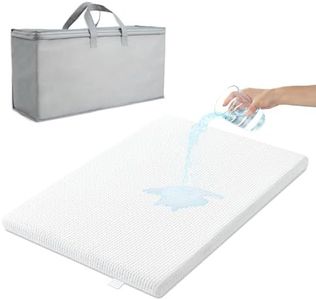
Waterproofing and CoversWaterproofing and covers refer to the outer layer of the mattress and its ability to resist moisture. Babies are prone to spills and accidents, so a waterproof or water-resistant cover makes cleaning easier and extends the mattress’s life. Some mattresses have built-in waterproof layers, while others come with removable, washable covers. If ease of cleaning is a top concern for you, a waterproof cover is a must. If you are focused more on all-natural materials, a non-waterproof but organic cover may be preferable, though you’ll need to invest in separate waterproof protectors.
BreathabilityBreathability refers to how well air flows through the mattress, which can help regulate temperature and reduce the risk of overheating. Breathable mattresses often use mesh or ventilated materials to encourage airflow. This feature is important for safety and comfort, especially in warmer climates or if your baby tends to sleep hot. Consider a more breathable design if overheating is a concern for your child or your environment; otherwise, standard designs may suffice.
Size and FitSize and fit mean how well the mattress fits your crib. Crib mattresses usually come in standard sizes, but it’s critical that the mattress fits snugly with no gaps between the mattress and crib frame, as gaps can become a safety hazard for infants. Check your crib’s measurements and choose a mattress that matches closely. If you have a non-standard crib, make sure you measure carefully and look for mattresses that specifically mention compatibility with your crib’s dimensions.