6 Best Non Toxic Herbicides
From leading brands and best sellers available on the web.By clicking on a link to a third party's website, log data is shared with that third party.
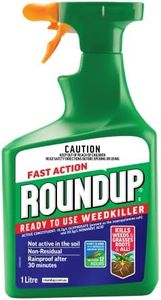

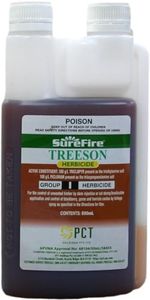
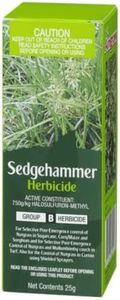
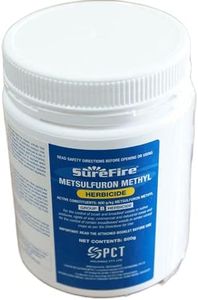

Buying Guide for the Best Non Toxic Herbicides
When you're shopping for a non-toxic herbicide, your main goal is to find a product that kills unwanted plants safely without harming people, pets, or the environment. Non-toxic herbicides use naturally derived or less hazardous active ingredients compared to conventional chemical options, making them a popular choice for home gardens, lawns, and areas where children or animals play. It's important to balance effectiveness with safety by paying attention to the ingredients, how the herbicide is applied, and what kinds of weeds it can handle. Understanding your specific needs, like the types of weeds you're dealing with and the size of the area you need to treat, will help you pick the right product for your situation.Active IngredientsThe active ingredient is the component that actually kills or suppresses weeds. For non-toxic herbicides, common ingredients include vinegar (acetic acid), citric acid, clove oil, or soap-based compounds. The type of active ingredient matters because it determines how quickly the herbicide works, what kinds of weeds it's most effective against, and how safe it is for you, your pets, and your environment. If you want something extremely safe for vegetable gardens or children's play areas, look for plant-based ingredients. For tougher weeds, a stronger concentration or a blend may be necessary. Always consider what plants or wildlife are nearby when assessing which active ingredients are safest for your needs.
Weed SpectrumWeed spectrum refers to the range of weeds the herbicide is capable of controlling. Some non-toxic herbicides are effective on a wide variety of annual weeds, while others may only work well on small, young weeds and not on tough, perennial ones. If you mostly need to manage easy-to-control weeds like dandelions or crabgrass, a general-purpose non-toxic herbicide will do. If you struggle with persistent weeds or woody invasives, you may need a more targeted product, or one that requires repeat applications. Identifying your main weed problems before shopping makes it easier to choose the right spectrum for your garden's needs.
Mode of ActionMode of action describes how the herbicide kills the plant—whether it dries leaves, disrupts growth, or destroys roots. Most non-toxic herbicides are 'contact' killers, meaning they work where they touch and aren’t absorbed systemically (they won’t travel through the plant). This spec is important because it affects application technique and results: contact herbicides are great for spot-treating visible weeds but may not kill roots, so the weed may regrow. If preventing regrowth is important, look for options explicitly described as 'systemic' or designed to affect roots, though these are less common among non-toxic solutions.
Application MethodThe way you apply the herbicide—spray, granule, concentrate, or ready-to-use—affects both convenience and safety. Sprays are good for spot treatment and precision but may drift onto desirable plants if not used carefully. Granules can be spread over large areas but require moisture to activate. Ready-to-use forms are great for quick jobs and beginners, while concentrates are more economical for large spaces but need mixing. Your decision should be guided by the size of the area, your comfort with handling and mixing products, and need for convenience.
Environmental ImpactEnvironmental impact measures how the herbicide affects surrounding soil, nearby water sources, beneficial insects, and non-target plants. Non-toxic herbicides are chosen specifically for their lower risk, but some may still harm sensitive aquatic ecosystems or damage pollinators if misused. Look for products that break down quickly, don’t persist in the soil, and have minimal risk to wildlife. Always read labels to ensure compatibility with your landscape and check if there are restrictions related to rain-runoff, composting, or use near edible crops, so your choice aligns with your eco-friendly intentions.