We Use CookiesWe use cookies to enhance the security, performance,
functionality and for analytical and promotional activities. By continuing to browse this site you
are agreeing to our privacy policy
10 Best Non Toxic High Chair
From leading brands and best sellers available on the web.By clicking on a link to a third party's website, log data is shared with that third party.

Related Products
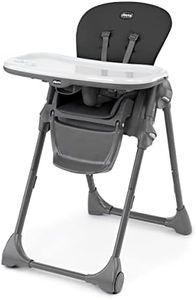
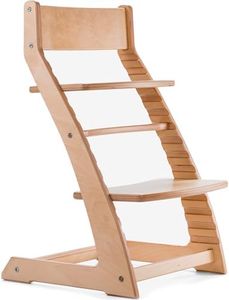
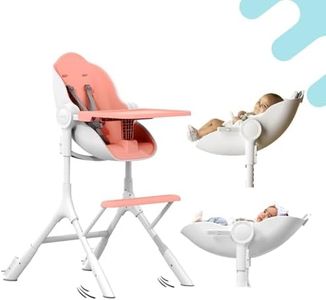

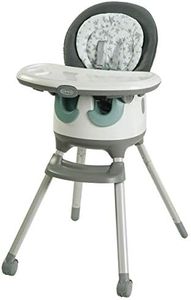
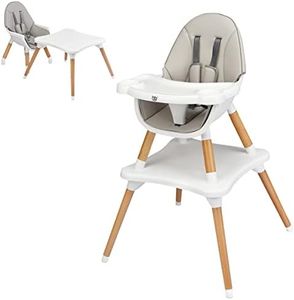
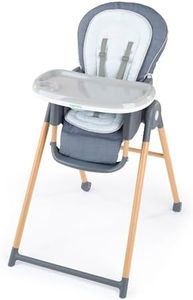
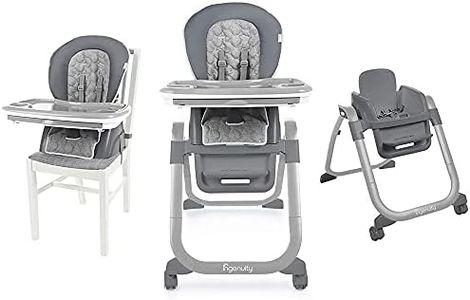
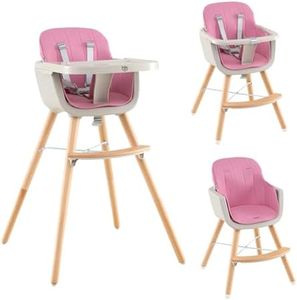

Recommended lists

Top rated
High Chairs
Buying Guide for the Best Non Toxic High Chair
Choosing a non-toxic high chair for your baby is a wise decision, as your child's safety and health should always come first. High chairs are used daily and for long periods, and young children are prone to chewing, touching, and putting objects in their mouths. Non-toxic materials help you avoid exposing your child to harmful chemicals often found in plastics, paints, and other finishes. When shopping, it’s important to look beyond appearance and convenience—focusing on safety, material quality, ease of cleaning, comfort, and adjustability will help you choose a chair that’s both healthy and practical for your family.Material SafetyMaterial safety is about what the high chair is made from. This is crucial, as some plastics and paints can contain harmful chemicals like BPA, phthalates, lead, or formaldehyde. Choosing high chairs made from solid wood with non-toxic finishes or food-grade plastics can decrease chemical exposure. You’ll typically find chairs categorized as plastic, metal, or wood. Solid wood with water-based or natural finishes tends to be the safest, while plastics should be labeled BPA-free and phthalate-free. Pay attention to certifications like GREENGUARD Gold or EN71, which indicate testing for toxic substances. If your child has allergies or sensitive skin, the fewer synthetic and treated materials, the better; always check product labels for transparency.
Ease of CleaningEase of cleaning refers to how simple it is to wipe down or wash your high chair after use. Babies and toddlers are messy eaters, so a chair that’s easy to wipe or has removable, washable parts is a huge advantage. High chairs with smooth surfaces and minimal crevices collect fewer crumbs and are faster to clean, while fabric covers or padded inserts often need to be removed and laundered. Choose a chair based on your lifestyle: if you want daily convenience, prioritize smooth, hard surfaces or machine-washable parts. If you’re fine with periodic deeper cleans, fabric cushioning can be considered—but check it’s both removable and washable.
Stability and Safety FeaturesStability and safety features keep your child secure in the chair and prevent accidents. A high chair should have a wide, sturdy base and strong frame to prevent tipping. Look for a 3-point or 5-point harness to keep your baby restrained, as simple lap belts are less secure. Also, check for safety locks, anti-slip feet, and compliance with safety standards. Lightweight chairs can be handy for moving but may be less stable. If your child is active or you have other young kids and pets, prioritize heavy, stable designs and robust harnesses for extra peace of mind.
Adjustability and LongevityAdjustability refers to features like height settings, reclining seats, and footrests, which help the chair grow with your child from infant to toddler stages. Some high chairs convert into booster seats or regular chairs for older kids, increasing their usefulness over time. If you want a chair that will last several years, look for models with multiple height and recline adjustments. For infants who cannot sit up unassisted, a recline feature is helpful, while older children benefit from footrests that support good posture. Choose what’s right for your child’s current age but consider future needs to get better long-term use.
Comfort and DesignComfort and design impact how pleasant the chair is for your baby to use and how it fits into your home. Look for a well-padded seat (but ensure pad materials are non-toxic), smooth edges, and an ergonomic design. Trays should be spacious and easy to remove for cleaning. If you have limited space, folding or compact designs are beneficial. Balance comfort and practicality—if your child is fussy with certain textures or feels uncomfortable, mealtime can become stressful. Try to view the chair in person where possible to check padding, fit, and overall build quality.