10 Best Non Toxic Washing Powders
From leading brands and best sellers available on the web.By clicking on a link to a third party's website, log data is shared with that third party.




Related Products
Up to 43% off

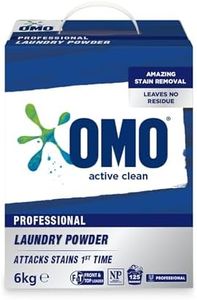
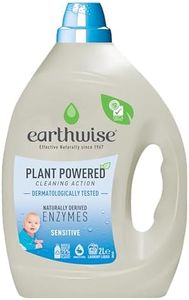
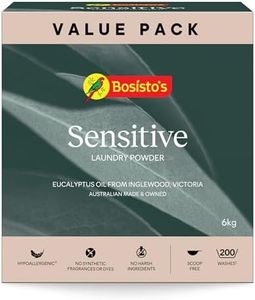


Buying Guide for the Best Non Toxic Washing Powders
Choosing a non-toxic washing powder means looking for a laundry detergent that's safe for both your family and the environment. Non-toxic options avoid harsh chemicals, synthetic fragrances, and dyes, making them a great choice for sensitive skin and eco-conscious households. It’s important to think about what's in the powder, how well it cleans, and whether it fits your needs like allergy concerns or washing baby clothes. When comparing products, always check the labels for the ingredients, certifications, and claims.IngredientsIngredients are what make up the washing powder, and they matter most when you want a truly non-toxic product. You should look for powders that use natural minerals, plant-based substances, and avoid harsh chemicals such as phosphates, sulfates, artificial fragrances, and optical brighteners. Usually, powders advertising as non-toxic will list their contents transparently. A simple ingredient list is often better, so for sensitive users, always pick powders free from any mention of chlorine, petrochemicals, or synthetic dyes.
CertificationsCertifications are labels given by trusted organizations confirming the product meets certain safety and environmental standards. These might include eco-labels like USDA Organic, EcoCert, or others that confirm non-toxicity and lower environmental impact. It's important because certifications are proof that the brand’s non-toxic claim is independently verified. When navigating these certifications, more well-known and recognized seals are usually more trustworthy. If you have a concern about chemicals or fragrances, look for specific allergy-safe or dermatologically tested certifications as well.
FragranceFragrance in washing powders is meant to make your clothes smell good but can also be a source of chemicals or allergens. Fragrances can be natural (like essential oils) or synthetic. For non-toxic products, it’s best to opt for unscented or naturally scented powders, especially if you have allergies, asthma, or sensitive skin. If you prefer fragrance, make sure it comes from plant-based sources and that these are clearly listed on the packaging.
Hypoallergenic PropertiesHypoallergenic washing powders are formulated to minimize allergic reactions, making them ideal for children, people with eczema, or anyone with sensitive skin. This spec is important if anyone in your household has skin issues. When evaluating this, look for explicit mentions of ‘hypoallergenic’, and check for user reviews or dermatologist-tested claims. If you don’t have sensitive skin, this may not be crucial, but it’s a safer choice for babies or allergy sufferers.
Cleaning PowerCleaning power refers to how well the powder removes stains and odors. While some non-toxic powders are gentler than regular ones, the best options can still handle most laundry loads. Cleaning power is important if you deal with tough stains regularly. Lighter formulas may be fine for lightly soiled clothes, baby items, or frequent washes. For sportswear, work clothes, or heavy stains, seek out powders with strong but still safe, plant-based enzymes.
BiodegradabilityBiodegradability means the powder breaks down easily and safely in nature, reducing pollution and harm to water systems. This is a core value of eco-friendly and non-toxic products. If environmental impact is a priority for you, look for powders that advertise complete biodegradability, and avoid those with fillers or substances known to persist in the environment. For most users, this is a good guiding point when you want your household choices to be green.
PackagingPackaging refers to how the powder is contained. Environmentally friendly washing powders often use recyclable, compostable, or minimal packaging. This is important for reducing overall waste. If you are aiming for an eco-friendly lifestyle, choose powders in cardboard boxes, paper bags, or refill options instead of plastic containers. It’s a smart pick for anyone looking to reduce single-use plastics.