10 Best Nordic Walking Poles
From leading brands and best sellers available on the web.By clicking on a link to a third party's website, log data is shared with that third party.
Related Products
Up to 20% off
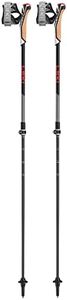
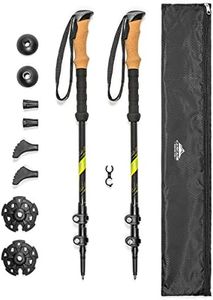
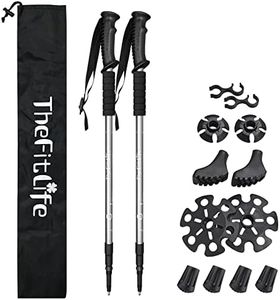
Buying Guide for the Best Nordic Walking Poles
Choosing the right Nordic walking poles is important for comfort, safety, and maximizing the benefits of your walk. The right poles can help improve posture, increase cardiovascular activity, and provide extra stability on various terrains. To make the best choice, it's essential to understand the specific features and decide what matches your walking habits, fitness level, and physical needs. Here are the main specifications you should consider and how they can guide your decision.LengthPole length is crucial because it affects your walking technique and comfort. Too short and you'll hunch over; too long and your shoulders will work harder than needed. Poles usually come in fixed or adjustable lengths. Generally, the right length has your elbow at about a 90-degree angle when holding the handle with the pole tip on the ground. If you're taller or plan to walk on varied terrains, adjustable poles offer more flexibility. Fixed-length poles can be lighter and a bit sturdier. Think about whether you want the convenience of adjusting for different surfaces or just need a set size for consistent use.
MaterialNordic walking poles are most often made from aluminum or carbon fiber (or a mix). The material affects a pole’s weight, strength, and vibration dampening. Aluminum poles are generally strong and affordable, but heavier. Carbon fiber makes poles much lighter and better at absorbing vibrations, which can reduce fatigue in your arms and wrists but may cost more and be less durable to impacts. If you walk long distances or have joint sensitivity, carbon is ideal. For casual strolls or tougher users, aluminum serves well.
GripThe grip determines how comfortable and secure your hold will be during your walk. Grips are usually made from cork, rubber, or foam. Cork is often considered the most comfortable as it molds to your hand and absorbs sweat pretty well. Rubber grips are good for wet conditions but can get slippery if your hands sweat. Foam is soft and lightweight but may not last as long. Think about your hand size, sweat level, and the climate you’ll walk in to pick a comfortable grip.
Strap SystemThe strap system secures the pole to your hand and lets you push off effectively. Good straps wrap around your hand snugly without pinching or slipping, and some are removable for safety or convenience. Basic straps are simple loops, while advanced ones (sometimes called glove or gauntlet systems) wrap more completely around the hand for better support and efficiency. If you walk fast, want more power, or need wrist support, look for advanced straps. For gentle, leisurely strolls, simpler straps will do the job.
Pole TipThe tip is the part that contacts the ground and comes in carbide, steel, or rubber attachments. Hard metal tips work well on trails and natural surfaces, providing grip on dirt and gravel. For urban walking or hard surfaces, removable rubber tips are used to reduce noise and prevent slipping. If you'll be going back and forth between roads and trails, look for poles with interchangeable tips for versatility.
Shock AbsorptionSome poles have built-in shock absorption systems, often springs inside the shaft. These reduce strain on your wrists and elbows, which can be helpful if you have joint concerns or walk on hard surfaces. However, shock systems can add weight and may feel less direct during walking. If you have tender joints or plan on frequent use over concrete, they're worth considering. Otherwise, many users prefer the simplicity and feel of non-shock-absorbing poles.