10 Best Office Chairs For Heavy People
From leading brands and best sellers available on the web.By clicking on a link to a third party's website, log data is shared with that third party.
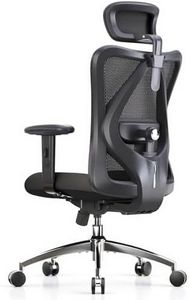
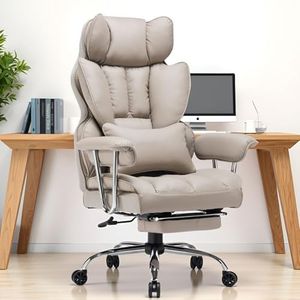
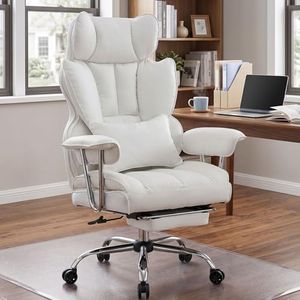
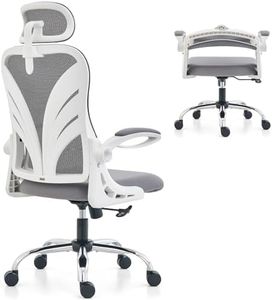
Related Products
Up to 10% off
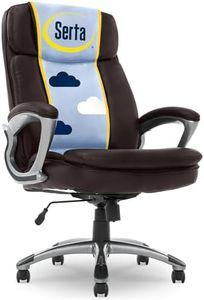
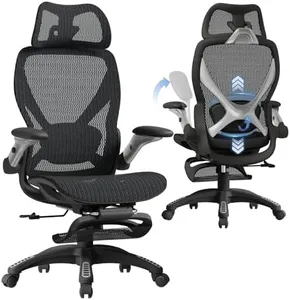
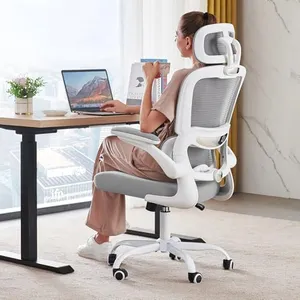
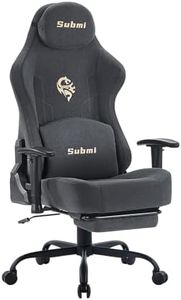
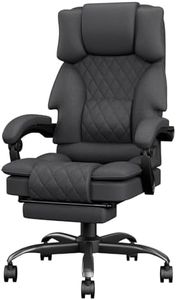
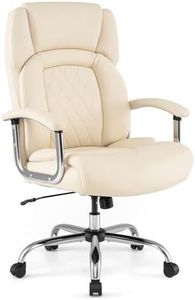
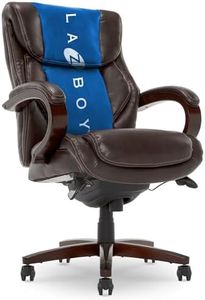
Buying Guide for the Best Office Chairs For Heavy People
Choosing the right office chair is crucial, especially for heavier individuals who need extra support, durability, and comfort. You should focus on finding a chair that is designed to provide long-lasting performance, prevent discomfort or injury, and improve your productivity. The right chair will help you maintain good posture, reduce pressure points, and support your body throughout extended periods of sitting. Focus on the key features that meet your physical needs and match the environment where the chair will be used.Weight CapacityWeight capacity is the maximum weight a chair is designed to support safely. This is essential because a chair not rated for your body weight can become uncomfortable quickly, wear out sooner, or even break, leading to safety risks. Office chairs usually come with a weight capacity range, such as around 250 pounds for standard models, 300-400 pounds for heavy-duty models, and higher for specialized chairs. Always choose a chair rated above your body weight to ensure long-term safety and durability.
Seat Size and DepthSeat size and depth refer to the width and front-to-back measurement of the chair’s seat. For heavier individuals, a wider seat with enough depth ensures comfort, prevents edge pressure under your thighs, and provides space to shift positions. Standard chairs often have narrower seats, while heavy-duty chairs offer wider (20-24 inches or more) and deeper seats. Pick a chair that lets you sit with your thighs fully supported while leaving a couple of inches between the edge and your knees, so you’re comfortable for long hours.
Frame and Base StrengthThe frame and base are the structural parts of the chair that support your weight and allow it to move or recline. Stronger frames are usually made from metal or reinforced materials, and the base should have sturdy, wide legs with large wheels. Heavier users need chairs with reinforced steel or alloy bases and frames, not plastic. Check for mentions of reinforced design and look at the materials used, ensuring the frame matches or exceeds the weight rating required for your build.
Cushioning and PaddingCushioning determines how comfortable the chair stays over time. For heavier individuals, thicker and denser foam or multi-layer padding is necessary to prevent flattening and discomfort. Less robust chairs lose their cushioning faster, making you sit on hard surfaces. Look for chairs with ample, high-density foam in the seat and back, as this keeps its shape and provides even support during long hours.
AdjustabilityAdjustability means the chair can adapt to your body, rather than forcing you to fit it. This includes features like adjustable seat height, seat depth, armrests, lumbar support, and back tilt. More adjustment points let you personalize comfort, posture, and support to your unique body size and shape. If you’re on the heavier side, look for a chair with many adjustments so you can fine-tune every aspect to prevent aches and encourage good posture.
Lumbar and Back SupportLumbar support is about the way a chair supports your lower back. Lack of support here causes fatigue and back pain, especially for heavier people whose spines need extra reinforcement. High-quality chairs offer adjustable lumbar support and a backrest that fits and supports your natural curve. Make sure the lumbar support can be customized in height and firmness so you can support your lower back effectively.
Armrest DesignArmrests help reduce strain on your neck, shoulders, and arms. For heavier users, they should be wide, sturdy, and adjustable for height and width. Fixed, narrow, or weak armrests can be uncomfortable or even break. Pick chairs with padded, adjustable armrests that won’t dig into your sides and that can be positioned to let your arms relax comfortably while typing or resting.
Breathability and Cover MaterialBreathability relates to how well the chair’s cover material lets air flow, preventing heat and sweat build-up. Heavier people typically benefit from chair materials like mesh, which offer better ventilation, but well-constructed fabric or leather can also work if paired with good internal padding. Consider your work environment and how much cooling you’ll need to stay comfortable all day.