10 Best Oil Based Wood Water Sealers
From leading brands and best sellers available on the web.By clicking on a link to a third party's website, log data is shared with that third party.
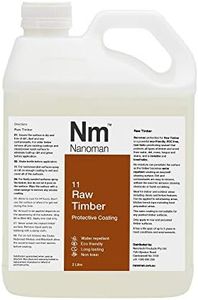
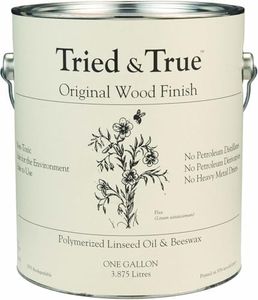

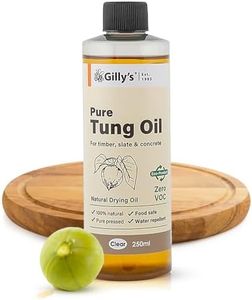
Related Products
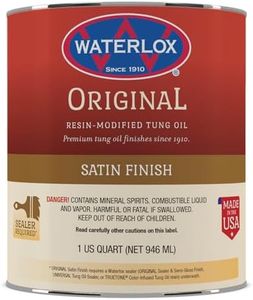

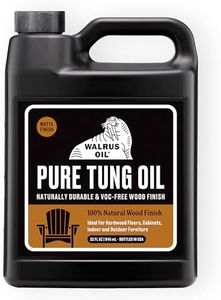
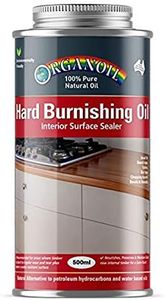
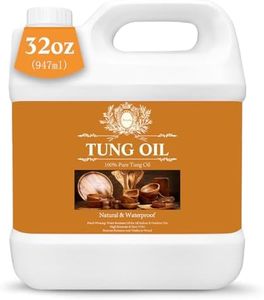

Buying Guide for the Best Oil Based Wood Water Sealers
Choosing the right oil-based wood water sealer is important to protect and preserve your wood surfaces from moisture, weather, and wear. The goal is to find a sealer that matches your specific needs—whether it's for indoor or outdoor use, the type of wood you have, the look you want, and how much maintenance you're willing to do over time. Understanding various features and choosing appropriately ensures your wood stays beautiful and lasts longer.Type of OilThe oil in oil-based sealers can be natural (like linseed or tung oil) or synthetic. The type of oil matters because it affects penetration, durability, and appearance. Natural oils usually soak deeper into wood and provide a warm, rich finish, which can be ideal for indoor furniture or heritage pieces. Synthetic oils may offer better water resistance and faster drying times, suitable for outdoor decks or fencing. Decide based on whether you want a more natural finish or maximum protection and ease of application.
Water Resistance LevelWater resistance describes how well the sealer prevents water from soaking into the wood, which could cause swelling, warping, or rot. Sealers can range from basic water repellency to heavy-duty waterproof barriers. For indoor wood that's rarely exposed to moisture, a light water-resistant sealer may suffice. For outdoor furniture, decks, or anything regularly exposed to rain, go for sealers rated for strong water protection. Always match the level of protection to how much wetness the wood will face.
Application MethodOil-based sealers can be brushed, rolled, or sprayed onto the wood. Some products are easier to apply by hand, making them suited for smaller projects or pieces with intricate designs. Others are formulated for use with sprayers or rollers, which helps cover large, flat surfaces quickly, like decks or fences. Think about the size and shape of your project and your comfort with various methods. If you're handling furniture or small crafts, a brushable sealer offers more control. For large outdoor surfaces, a spray-friendly option saves time and effort.
Finish Appearance (Sheen)Sheen refers to how glossy or matte the sealer looks once it's dry. Options typically include matte, satin, semi-gloss, and high-gloss. A matte or satin finish gives a more natural appearance and is often favored for rustic or indoor projects, as it hides scratches and dust better. Glossy finishes reflect more light and create a sleek look, popular for outdoor surfaces or decorative pieces, but they might show wear more easily. Choose the sheen based on the desired look and practical use of the wood.
Durability and MaintenanceThis describes how long the sealer will last before the wood needs to be resealed, and how easily it can be reapplied or repaired. Some oil-based sealers need reapplication every year, especially outdoors, while others last longer. If you're sealing something that will see heavy use or harsh conditions, select a sealer known for higher durability, even if it takes more effort to apply. If you prefer easy touch-ups, look for products that can be reapplied without sanding or stripping.
Drying and Curing TimeDrying time is how quickly the sealer becomes touch-dry; curing time is how soon it reaches full strength. Faster drying times mean you can use or move your item sooner, but sometimes fast-drying sealers are harder to work with and may require more careful application. Slow-drying sealers often penetrate deeper, which can be good for protection but needs more patience. Choose a product with a drying time that fits your project schedule and working style.